How to Prune River birch?
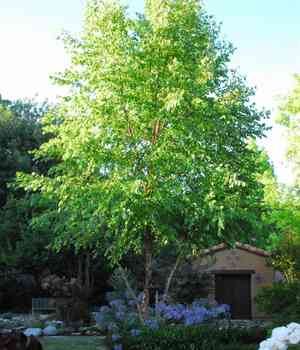
Distinguished by its exfoliating bark and preference for moist habitats, river birch significantly profits from judicious trimming. Eliminate deceased or ailing branches to foster vitality and form. Conduct pruning in late winter or early spring while the plant is inactive to lessen sap leakage and strain. Reducing the density of inner branches improves air movement, thereby mitigating fungal problems. Refrain from excessive removal, as this variety reacts with robust, unwanted development. Pruning not only preserves its visual appeal but also strengthens its defense against infestations and illnesses.
What Are the Benefits of Pruning River Birch?
What Are the Benefits of Pruning River Birch?
Regular trimming of river birch promotes robust development and maintains its desired shape, ensuring an attractive and healthy form.
What Is the Best Time for Pruning River Birch?
What Is the Best Time for Pruning River Birch?
These periods are ideal for trimming river birch as they allow for the removal of compromised or diseased limbs before the start of the new growth cycle. Pruning during late winter, when river birch is dormant, lessens stress on the tree and minimizes sap flow from cuts, which can attract pests and illnesses. Early spring trimming is also advantageous as it improves the tree's shape and directs new growth. Avoiding pruning in late spring or summer aligns with river birch's active growth phase, preventing excessive sap loss, which can weaken the tree.
What Tools Do I Need to Prune River Birch?
Hand Pruners
For precise cuts on small branches and shaping river birch, handheld pruners are perfect. They enable clean cuts, minimizing plant damage.
Lopping Shears
Lopping shears feature longer handles, providing leverage to cut through thicker river birch branches that hand pruners cannot manage.
Pruning Saw
When dealing with mature river birch trees, a pruning saw is essential for branches thicker than what hand pruners and lopping shears can handle.
Pole Pruner
River birch can reach significant heights, so a pole pruner is crucial for safely trimming higher branches from the ground.
Hedge Shears
For shaping the outer growth of a river birch hedge, hedge shears are useful, but should be used sparingly as river birch has a naturally appealing form.
How to Prune River Birch
Step1: Assess for Pruning Targets
Examine river birch before trimming to identify all dead wood, diseased limbs, and damaged branches. This initial evaluation will guide your pruning efforts.
Step2: Sanitize Pruning Tools
Disinfect your pruning tools with a solution of 1 part bleach to 9 parts water to prevent disease transmission.
Step3: Remove Dead Wood
Begin by removing all dead wood. Cut dead branches where they meet healthy wood, making your cut just above the branch collar â the slight swelling where the branch joins the trunk or another branch.
Step4: Excise Diseased Limbs
Identify and remove diseased limbs. Make cuts in healthy tissue below the diseased sections to ensure the disease does not spread. After cutting a diseased limb, sterilize your tools again before proceeding to the next cut.
Step5: Trim Damaged Branches
Prune away any damaged branches. Similar to previous steps, cut these branches back to the point of healthy tissue, ensuring you do not leave stubs which can lead to decay.
Step6: Thin Canopy for Airflow
Thin out the canopy if necessary to improve air circulation. Remove some smaller branches from the interior of the canopy, taking care to cut them at their point of origin.
Step7: Selective Shaping
Shape the tree by selectively pruning branches for aesthetic appeal and tree health. Avoid over-pruning as river birch responds best to minimal shaping.
Step8: Post-Pruning Clean-Up
Clear away all debris, including leaves, twigs, and branches to prevent the spread of disease and pests.
Step9: Hydrate after Pruning
Water river birch after pruning to help ease stress on the tree and provide the hydration needed to recover from the pruning process.
Post-Pruning Care for River Birch
Post-Pruning Care for River Birch
Immediately after trimming river birch, water generously to aid recovery. Ensure river birch receives filtered sunlight, maintain humidity, and protect from extreme temperatures. Apply a balanced, slow-release fertilizer to replenish nutrients; avoid excessive fertilization which can stress river birch. Regularly check for pest activity or disease, indicated by unusual leaf discoloration or dieback. If symptoms appear, seek expert advice for appropriate treatment. Consistent, thoughtful care encourages river birch's vigorous regrowth.
Common Pruning Mistakes with River Birch
Over-Pruning Causes Stress and Vulnerability
Removing too much of river birch's canopy in a single trimming session can cause stress and make the tree susceptible to diseases and pests.
Flush Cutting Damages Tree's Protective Barriers
Cutting branches flush with the trunk can harm river birch's natural protective barriers, increasing the risk of decay.
Unplanned Pruning Leads to Poor Structure
Trimming without a clear purpose or plan can result in a misshapen tree, with poor structure and appearance.
Neglecting to Remove Dead, Damaged, Diseased Branches
Ignoring the 3-D ruleâDead, Damaged, or Diseasedâby leaving such branches untrimmed may lead to further complications in river birch's health.
Improper Cuts From Dull Tools Invite Infections
Making improper cuts or using dull tools can result in jagged wounds that heal slowly and may invite infections.
Common Pruning Tips for River Birch
Clean Cuts With Sharp Tools for Quick Healing
Use sharp, clean pruning tools to make precise cuts that river birch can heal quickly from, thereby reducing disease risk.
Angled Cuts Above Buds for Open Canopy Structure
Cut branches at a slight angle, just above a bud facing the outside of the canopy; this encourages river birch to develop a more open structure.
Remove Only Dead, Damaged, Diseased Branches
Focus on removing only the 3-DsâDead, Damaged, or Diseased branchesâto maintain river birch's health and appearance without over-pruning.
Prune to Lateral Branches for Healthy Regrowth
When reducing a branch's length, cut back to a lateral branch or bud to prevent stubs and promote healthier regrowth in river birch.
Plan Pruning for Balanced Natural Shape
Plan your pruning cuts in advance to shape river birch effectively and maintain a natural, balanced form that enhances both its beauty and health.
Cut Outside Bark Ridge to Support Healing
Make sure to cut outside the branch bark ridge and collar, not flush with the trunk, to support river birch's natural healing process and prevent decay.
Avoid Harmful Topping Practice on Mature Trees
Avoid topping, the practice of cutting back large branches in mature trees to stubs, which can harm river birch's health and structural integrity.



