How to Prune Common borage?
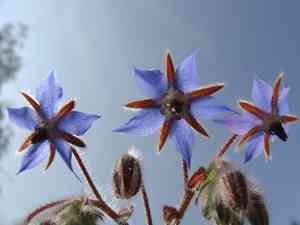
A favored herb featuring star-shaped blossoms and pubescent foliage, common borage thrives with consistent removal of spent flowers to foster uninterrupted flowering. Snip off developing shoots and discard faded blooms. The most effective trimming takes place from the beginning of spring through the end of autumn, coinciding with its growth phases. This practice promotes denser development, hinders self-propagation, and prolongs the bloom duration. Yearly revitalization through the reduction of mature growth is advisable.
What Are the Benefits of Pruning Common Borage?
What Are the Benefits of Pruning Common Borage?
Trimming common borage promotes robust development and maintains its desired form. This practice can boost flowering, enhance air movement, and lower disease risk by eliminating old or dead leaves.
What Is the Best Time for Pruning Common Borage?
What Is the Best Time for Pruning Common Borage?
Trimming common borage in early spring is beneficial as it marks the start of the growing season, allowing the plant to recover from cuts and encouraging strong new growth. This timing ensures the plant's energy is directed towards developing fresh foliage and blossoms. Late autumn is also a suitable period to prune common borage, just as the plant enters dormancy. Pruning then minimizes plant stress and reduces disease risk, as cuts have time to heal before warmer, moist conditions favorable to pathogens emerge. It's crucial to avoid pruning during flowering or fruiting to prevent reducing the yield of valuable borage flowers and seeds, often harvested for culinary and medicinal purposes.
What Tools Do I Need to Prune Common Borage?
Hand Pruners
Perfect for cutting through the relatively thin stems of common borage, hand pruners provide precision and control, enabling selective removal of old or overgrown parts.
Garden Shears
Useful for shaping and trimming the foliage of common borage when numerous stems need to be cut back simultaneously.
Gardening Gloves
Protective gloves are essential to prevent direct contact with the prickly hairs of common borage, which can sometimes irritate skin.
Pruning Saw
While common borage typically doesn't require a saw, if the plant has several woody stems due to age or prior neglect, a pruning saw might be needed for thicker growth.
Secateurs
Similar to hand pruners, secateurs are suitable for deadheading and removing smaller, unwanted branches of common borage, allowing for more accurate cuts.
How to Prune Common Borage
Step1: Deadheading Old Flowers
Locate the spent flowers on common borage. These are blooms that have lost their color or have started to wilt and dry out. Old flowers should be removed to encourage new growth and prevent common borage from self-seeding if not desired.
Step2: Trimming for New Blooms
Using clean, sharp scissors or pruning shears, snip off the old flowers at the base of their stems. Make a clean cut just above the first set of healthy leaves to promote the formation of new blooms.
Step3: Removing Woody Old Stems
Examine common borage for old stems, which are typically more woody and have fewer leaves. These old stems may no longer produce flowers or foliage and can be pruned to redirect the plant’s energy to new growth.
Step4: Cutting Back to Encourage Growth
Cut back the old stems to the ground or to the plant's base, ensuring a clean cut to facilitate quick healing and reduce disease risk.
Step5: Identifying and Pruning Damaged Stems
Look for damaged stems on common borage, indicated by signs of breakage, discoloration, or disease. Damaged stems can drain energy from the plant and attract pests and diseases.
Step6: Pruning Damaged Tissue at 45-degree Angle
Trim the damaged stems back to a point of healthy tissue, well below the affected area. If the entire stem is compromised, remove it at the base. Always make cuts at a 45-degree angle to allow water to run off and prevent rot.
Step7: Disposal of Pruning Debris
After pruning, discard the removed material away from common borage to prevent any potential spread of disease.
Step8: Post-Pruning Watering
Water common borage adequately after pruning to lessen stress and support the plant as it recovers and regenerates.
Post-Pruning Care for Common Borage
Post-Pruning Care for Common Borage
Immediately after pruning, common borage needs sufficient moisture to alleviate stress; ensure the soil is damp but not waterlogged. Optimize light exposure, keeping common borage in full sun to partial shade, and maintain a stable environment, avoiding extreme temperature shifts. Post-pruning fertilization should be minimal, using a balanced liquid fertilizer to aid recovery without overfeeding. Regularly inspect common borage for any signs of stress or infection, such as wilting leaves or unusual spots, and promptly remove any affected parts. Adjust care as needed to support healthy regrowth.
Common Pruning Mistakes with Common Borage
Over-pruning
Removing too much plant material at once, which can stress common borage and hinder its ability to recover and produce healthy growth.
Using Dull or Dirty Tools
Employing dull or unclean pruning tools, which can result in jagged cuts and introduce diseases to common borage.
Ignoring Dead or Diseased Growth
Failing to remove dead or diseased foliage, which can impede new growth and lead to further health issues for common borage.
Cutting Healthy Flowers and Buds
Trimming healthy flowers and new buds, which can diminish the flowering potential and overall aesthetic appeal of common borage.
Disregarding Natural Plant Shape
Overlooking the natural form and growth habit of common borage when pruning, leading to an unnatural appearance and potential damage to the plant's structure.
Common Pruning Tips for Common Borage
Use Sharp, Clean Shears
Utilize sharp, clean pruning shears to make precise cuts that will heal quickly and minimize stress to common borage.
Selective Pruning for Shape and Health
Prune selectively to shape common borage, focusing on removing dead or dying leaves and stems, as well as any overcrowded growth that can obstruct air circulation and light penetration.
Pruning After Flowering for Rebloom
Cut back the stems of common borage after flowering to encourage a second bloom and to maintain a neat appearance.
Angle Cuts for Encouraging New Growth
When thinning out common borage, make cuts at a 45-degree angle, just above a leaf node or branching point to stimulate new growth.
Deadheading to Boost Flower Production
Regularly remove spent flowers of common borage to direct the plant's energy towards producing new blooms and to prevent self-seeding, if desired.



