How to Prune Blue Grama?
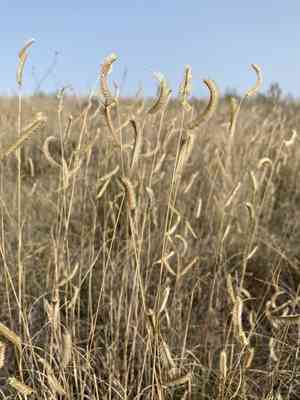
This heat-loving grass flourishes in dry environments, developing thick clumps with delicate, curving blades. To ensure optimal blue Grama care, trim away aged foliage in early spring or late winter to stimulate fresh development. Eliminating faded seed heads improves its look and stops it from reseeding itself. Consistent clearing of deceased matter enables vigorous clumps to prosper, guaranteeing a strong presentation throughout the cultivation period. Trimming also preserves the grass's reserves, channeling vitality into preferred growth zones.
What Are the Benefits of Pruning Blue Grama?
What Are the Benefits of Pruning Blue Grama?
Trimming blue Grama can encourage robust development, fostering a thick, even turf. Strategic trimming helps maintain its desired form and shape, contributing to a well-kept lawn appearance.
What Is the Best Time for Pruning Blue Grama?
What Is the Best Time for Pruning Blue Grama?
Trimming blue Grama in late winter or early spring coincides with this grass species' dormant period, when growth is minimal. This timing ensures the least stress for blue Grama, as it's not actively growing and can recover easily. Furthermore, pruning before new growth begins helps stimulate fresh, healthy shoots, enhancing blue Grama's overall vigor and aesthetic form. It also aids in removing any frost-damaged or dead foliage from the previous season, ensuring resources aren't wasted on unproductive parts. Additionally, pruning during these seasons avoids disrupting blue Grama's blooming period, which is valuable for its ornamental appeal and natural reseeding.
What Tools Do I Need to Prune Blue Grama?
Handheld Grass Shears
Given blue Grama's grass-like structure, handheld grass shears are perfect for trimming and shaping. This tool allows for precision and effectively cuts back clumps gently.
Bypass Pruners
Blue Grama may need dead material removed from its base. Bypass pruners are ideal for this task as they make clean cuts without harming the plant's living sections.
String Trimmer
For larger areas or a quick trim, a string trimmer can be used on blue Grama. It offers an efficient way to manage height and remove old growth.
Lawn Mower
If blue Grama is used as turf grass, a lawn mower set to the correct height will help maintain an even and healthy lawn. Always ensure the blades are sharp to prevent tearing the grass.
How to Prune Blue Grama
Clean tools
Sanitize pruning tools before starting to prevent disease spread. Use a solution of one part bleach to nine parts water or rubbing alcohol to clean cutting surfaces.
Inspection
Examine blue Grama thoroughly, identifying diseased and withered leaves. Look for leaves that are discolored, spotted, or appear dry and crispy.
Cut diseased leaves
Trim diseased leaves first. Use clean, sharp pruning shears to remove each affected leaf. Cut close to the leaf's base, taking care not to damage the crown or healthy tissue near the diseased areas.
Cut withered leaves
Remove withered leaves next. Follow the same procedure as with diseased leaves, ensuring each cut is clean and doesn't leave ragged edges.
Disposal
Properly dispose of the removed diseased and withered leaves. Do not compost as they may carry pathogens; instead, bag them and remove them from the area to minimize disease spread risk.
Common Pruning Mistakes with Blue Grama
Over-pruning
Cutting back blue Grama too severely can harm the plant, as they are naturally drought-tolerant and thrive with minimal intervention. Removing too much foliage can stress blue Grama and hinder its ability to photosynthesize effectively.
Improper cutting technique
Making jagged or torn cuts on blue Grama can increase its susceptibility to disease and pests. It's crucial to use sharp, clean pruning tools to make precise cuts without damaging the grass blades.
Unnecessary cutting of new growth
Trimming the new, green growth of blue Grama can impede its natural growth pattern and flowering potential. The grass should be allowed to establish itself and develop a strong root structure without excessive cutting during its active growth phase.
Common Pruning Tips for Blue Grama
Maintain plant structure
Prune blue Grama to maintain its natural shape and density. Focus on removing dead or damaged foliage to promote air circulation and light penetration, which are essential for blue Grama's health.
Use appropriate tools
Employ clean, sharp pruning shears or grass clippers specifically designed for grasses to ensure precise cuts and reduce the risk of infection or damage to blue Grama.
Encourage flowering
Allow blue Grama to grow to its full height and produce seed heads. Pruning should be done sparingly, if at all, to ensure that blue Grama can complete its life cycle and reseed for the following season.



