How to Prune Cabbage?
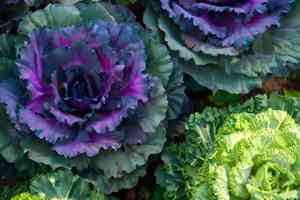
This verdant, brassicaceous plant flourishes optimally with limited trimming. The external foliage of Cabbage can be detached to stimulate development and preserve the plant's well-being. The most suitable period for pruning extends from the beginning of spring to the close of summer, concentrating on withered or discolored leaves to foster air movement and diminish the likelihood of illness. Infrequent reduction of dense sections improves light exposure, thereby maximizing Cabbage's maturation and harvest.
What Are the Benefits of Pruning Cabbage?
What Are the Benefits of Pruning Cabbage?
Trimming cabbage promotes vigorous development and helps maintain its desired shape. By selectively removing specific leaves and stems, cabbage can direct energy towards building a strong structure and yield.
What Is the Best Time for Pruning Cabbage?
What Is the Best Time for Pruning Cabbage?
These periods are ideal because cabbage's growth cycle begins with sprouting in early spring, with vegetative growth peaking in summer. Pruning in early spring stimulates new growth and helps maintain the plant's desired form and size. Since cabbage lacks a flowering or fruiting phase, late summer pruning is suitable for removing old or diseased leaves and preparing the plant for the next growing season. This timing ensures cabbage maintains robust health and vitality, avoiding stress during colder months when its growth naturally slows.
What Tools Do I Need to Prune Cabbage?
Sharp Knife
A clean, sharp knife is essential for harvesting or trimming cabbage. This allows for a precise cut that helps prevent plant damage and reduces disease risk.
Garden Shears
Handheld garden shears are appropriate for removing any yellowing or diseased leaves from cabbage. They offer precise cutting and minimize harm to surrounding foliage.
Sanitizing Materials
Using alcohol wipes or a bleach solution to disinfect cutting tools between uses is vital to prevent the spread of disease among cabbage plants.
Gloves
Wearing gloves will protect your hands from dirt and potential plant illnesses while pruning cabbage.
Garden Disposal Bags
Having these on hand will help collect and remove any pruned material from cabbage, preventing the spread of pests or diseases.
How to Prune Cabbage
Step1: Identifying Unhealthy Leaves
Sanitize your pruning tools with isopropyl alcohol or a 10% bleach solution to prevent disease transmission between plants.
Step2: Sanitizing Pruning Tools
Begin by carefully removing yellow leaves, which may indicate a nutrient or water deficiency, or disease. Make cuts close to the base of the leaf stem, but be careful not to harm the main stem or nearby healthy leaves.
Step3: Removing Yellow Leaves
Next, trim withered leaves as these are older leaves that have completed their life cycle. Use the same method as in _Step3, making clean cuts to avoid tearing that can attract pests or diseases.
Step4: Pruning Withered Leaves
Proceed to trim any damaged leaves which can result from physical injury or pest damage. Removing them helps focus cabbage's energy on healthy growth and prevents potential disease spread.
Step5: Trimming Damaged Leaves
Finally, eliminate all dead leaves, which will be brown and dry, to improve air circulation and overall plant health. These can be gently pulled off or snipped at the base if they do not detach easily.
Step6: Eliminating Dead Leaves
After pruning, clean your tools again and dispose of or compost the removed leaves. Avoid composting diseased or pest-infested foliage as this may contaminate your compost.
Step7: Tool Cleaning and Leaf Disposal
Monitor cabbage after pruning for signs of new growth and overall health, while continuing regular maintenance such as proper watering, feeding, and pest management.
Post-Pruning Care for Cabbage
Post-Pruning Care for Cabbage
After trimming cabbage, promptly water the plant to alleviate stress. Maintain ambient temperature (60-70°F) and moderate humidity. Adequate, but not excessive, sunlight is crucial for recovery. Apply a balanced fertilizer to replenish nutrients; observe for yellowing or wilted leaves, indicating stress or infection. If signs occur, adjust care and possibly consult a plant pathologist.
Common Pruning Mistakes with Cabbage
Over-Pruning Weakens Photosynthesis
Trimming cabbage too aggressively, removing too many leaves, which can weaken the plant and reduce its ability to photosynthesize effectively.
Main Stem Damage Hinders Growth
Cutting into the main stem or heart of cabbage can damage the plant and potentially lead to disease or poor growth.
Unclean Tools Spread Disease
Using unclean pruning tools on cabbage can introduce pathogens and may spread disease among plants.
Common Pruning Tips for Cabbage
Disinfect Shears to Prevent Disease
Disinfect your pruning shears before and after use to prevent the spread of disease when trimming cabbage.
Prune Damaged Leaves for Healthy Growth
Remove only the outer leaves of cabbage that are yellowing or damaged, as this ensures the plant has enough foliage for photosynthesis and continued growth.
Clean Cuts Prevent Pests and Disease
Make clean cuts close to the base of the leaf stem when pruning cabbage to prevent stubs that can harbor pests and diseases.



