How to Prune Big quaking grass?
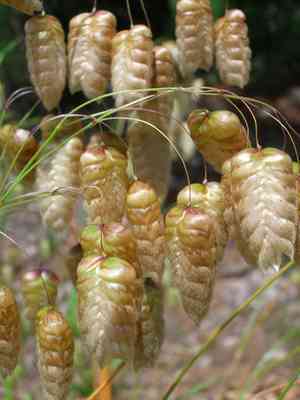
Big quaking grass, a statuesque decorative grass recognized for its swaying, delicate seed plumes, thrives with consistent trimming. The most effective time for pruning is in the spring to eliminate aged leaves and stimulate fresh development. During the summer and autumn, snip off faded flower stalks to preserve the plant's aesthetic and deter unwanted self-propagation. Cut near the soil level, being cautious not to harm emerging sprouts. Trimming boosts vitality and aids in preserving an appealing shape, guaranteeing big quaking grass continues to be a garden focal point.
Advantages of Trimming Big Quaking Grass
Advantages of Trimming Big Quaking Grass
Trimming big quaking grass fosters a robust, thriving plant capable of vigorous development. Consistent cutting helps maintain its form, ensuring a neat look and promoting peak vitality.
Optimal Period for Trimming Big Quaking Grass
Optimal Period for Trimming Big Quaking Grass
Late Spring to Early Summer is the best time for trimming big quaking grass. This timing coincides with the post-flowering phase, as the annual growth cycle concludes. Pruning at this point prepares big quaking grass for the subsequent growth season by removing spent seed heads, which helps prevent unwanted self-propagation and encourages new foliage. Additionally, this timing allows gardeners to shape the plant and preserve its aesthetic appeal without disrupting its natural development or blooming period. Trimming after flowering ensures that gardeners can enjoy the plant's ornamental value during its peak while also promoting plant health and vigor for the next season.
Tools Required for Trimming Big Quaking Grass
Hand Pruners
Big quaking grass has delicate stems that can be easily cut with hand pruners. Opt for bypass pruners for clean cuts, which help prevent damage to the plant's tissues.
Shears
For shaping or reducing larger clumps of big quaking grass, a pair of sharp shears allows for quick and efficient work, minimizing stress on the plant.
Gloves
While not a cutting tool, gloves are essential when trimming big quaking grass to protect hands from any potential irritants or sharp edges on the plant.
How to Trim Big Quaking Grass
Clean tools
Sanitize your pruning tools to prevent disease transmission. Wipe the blades with isopropyl alcohol or a bleach solution before beginning to trim big quaking grass.
Identify parts
Examine big quaking grass for withered leaves, targeting brown, crispy, or clearly dead foliage. These are the sections to be removed.
Trim withered
Using sharp scissors or hand pruners, carefully snip off the withered leaves at the base where they meet the stem. Avoid harming the healthy parts of big quaking grass.
Clean up
Collect and dispose of the trimmed material away from big quaking grass to minimize the risk of disease or pests.
Monitor plant
After trimming, observe big quaking grass for a few days to ensure it remains healthy and shows no signs of stress.
Common Trimming Errors with Big Quaking Grass
Over-trimming
Trimming big quaking grass too severely can harm its natural growth pattern and reduce its resilience. It is crucial to avoid removing too much foliage, which can stress the plant and lead to weaker performance.
Improper cutting technique
Using dull or dirty pruning shears can damage big quaking grass's delicate stems. Clean, sharp cuts are necessary to promote quick healing and prevent disease.
Neglecting deadheading
Big quaking grass benefits from the removal of spent flowers to promote continuous blooming and prevent self-sowing if not desired. Neglecting this process might reduce the amount of new growth and flowers.
Trimming for shape
Attempting to trim big quaking grass into a specific shape can be a mistake, as its natural growth habit is part of its charm. Trimming should focus on health rather than altering its form.
Ignoring health status
Trimming big quaking grass when it's weakened by pests, disease, or environmental stress can exacerbate its issues. Healthy plants are more resilient to trimming and recover more rapidly.
General Trimming Advice for Big Quaking Grass
Selective trimming
Gently thin out crowded areas of big quaking grass to improve air circulation, which can reduce the risk of fungal diseases. Be selective and maintain the plant's natural shape.
Post bloom trimming
Once big quaking grass has finished blooming, trim off the seed heads if self-seeding is not desired, or if you want to collect the seeds for controlled propagation.
Correct cut location
Make sure to cut just above a node or a set of leaves. This helps big quaking grass direct its energy to producing new, healthy growth.
Regular maintenance
Regularly examine big quaking grass for dead or dying foliage and stems for removal. This maintenance encourages healthier growth and a more aesthetically pleasing appearance.
Sanitation measures
Always sanitize pruning tools before and after use on big quaking grass to prevent the spread of diseases. Wipe the blades with a cloth soaked in alcohol or a 10% bleach solution.



