How to Prune Siberian bugloss?
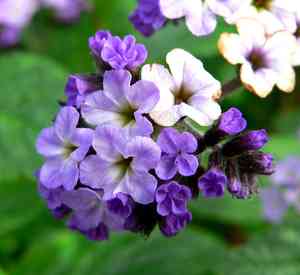
Recognized for its cordate foliage and effervescent azure blossoms, siberian bugloss flourishes with infrequent trimming. Snip spent flower stems after flowering to stimulate subsequent blooms and preserve visual appeal. The beginning of spring is perfect for removing any aged or compromised leaves, fostering robust fresh development. Gentle shaping in late summer can also prove advantageous. Trimming improves plant well-being, deters excessive density, and upholds its dense structure. Refrain from winter pruning to avert harm from low temperatures.
What Are the Benefits of Pruning Siberian Bugloss?
What Are the Benefits of Pruning Siberian Bugloss?
Trimming siberian bugloss helps it maintain a compact form while stimulating vigorous development. Regular cutting shapes the plant, enhancing its visual appeal and vitality.
What Is the Best Time for Pruning Siberian Bugloss?
What Is the Best Time for Pruning Siberian Bugloss?
Pruning siberian bugloss in early spring is advantageous as it allows for the removal of any winter-damaged or dead foliage before energy is directed to new growth. This timing also ensures the plant keeps a compact shape and promotes healthy, strong growth for the upcoming season. Pruning in late summer, after flowering, helps prevent unwanted seed dispersal and prepares siberian bugloss for its dormant winter period, ensuring it focuses energy on essential functions rather than supporting unnecessary leaves.
What Tools Do I Need to Prune Siberian Bugloss?
Hand Pruners
For siberian bugloss, sharp hand pruners or secateurs are suitable for cutting back dead foliage and shaping the plant. These tools allow for precise cuts that help maintain the health and appearance of siberian bugloss.
Garden Scissors
Siberian bugloss often requires the removal of spent flower stalks and old leaves. Garden scissors are ideal for snipping delicate stems and foliage without harming the plant.
Pruning Snips
Pruning snips, with their fine tips, are excellent for deadheading siberian bugloss, a task that can encourage further blooming and keeps the plant looking neat.
Gloves
Gardening gloves should be worn while pruning siberian bugloss to protect hands from scratches and potential skin irritants found in the garden. This is especially important for gardeners with sensitive skin or allergies.
Waste Container
Having a bucket or waste container on hand to collect the dead material removed from siberian bugloss helps to keep the work area clean and prevents the spread of disease.
How to Prune Siberian Bugloss
Step1: Inspect Plant for Pruning
Thoroughly examine siberian bugloss to identify all dead flowers and damaged leaves that need pruning. This helps determine the extent of the pruning required.
Step2: Sterilize Pruning Tools
Sanitize your pruning shears with alcohol or a bleach solution to prevent the spread of disease.
Step3: Prune Dead Flowers
Start with dead flowers. Prune the spent blooms of siberian bugloss back to the base of the flower stem. Make clean cuts just above where the flower stalk meets the foliage or a set of leaves.
Step4: Remove Damaged Leaves
Proceed to damaged leaves. Cut off any yellowed, dead, or diseased foliage of siberian bugloss at the base of the leaf stem, being careful not to harm the plant's crown or surrounding healthy leaves.
Step5: Shape Plant Judiciously
Shape siberian bugloss if necessary while pruning. Avoid excessive pruning as this can reduce the plant's lush appearance. Instead, focus on maintaining a natural, mounded shape.
Step6: Dispose of Pruned Material
After pruning, collect and discard all removed plant material to reduce the likelihood of disease or pests spreading.
Step7: Clean Tools Post-Pruning
Clean your tools after finishing the pruning to keep them in good condition and prevent disease spread during future use.
Step8: Monitor Plant Post-Pruning
Monitor siberian bugloss after pruning for any signs of stress and water appropriately. Avoid heavy watering immediately after pruning to reduce the risk of root rot.
Post-Pruning Care for Siberian Bugloss
Post-Pruning Care for Siberian Bugloss
After pruning siberian bugloss, water the plant deeply right away. Maintain a partially shaded environment to shield it from intense sunlight. Ensure siberian bugloss is in a cool area with high humidity to aid recovery. Apply a balanced, slow-release fertilizer to replenish nutrients. Regularly check for signs of stress such as wilted leaves or discoloration. If signs of infection, such as unusual spotting or decay are present, treat with an appropriate fungicide. Monitor siberian bugloss closely and adjust care as necessary to promote healthy regrowth.
Common Pruning Mistakes with Siberian Bugloss
Harmful Over-pruning Reduces Foliage and Flowers
Excessive pruning, which can be detrimental to siberian bugloss's health and may lead to a reduction in its lush foliage and flowering potential.
Pruning Too Close to Crown or Base Can Kill Plant
Cutting too close to the crown or base of siberian bugloss, risking damage to the central growing points, which can stress or kill the plant.
Ignoring Dead Foliage Invites Pests and Diseases
Failing to remove dead or diseased foliage, which can invite pests and diseases, potentially affecting siberian bugloss's overall health.
Dull or Dirty Tools Cause Disease and Poor Cuts
Using dull or dirty tools, which can result in jagged cuts or introduce diseases to siberian bugloss.
Improper Pruning into Old Wood Causes Bare Patches
Disregarding the plant's growth habit by pruning into old, woodier stems which siberian bugloss might not readily recover from, leading to bare patches.
Common Pruning Tips for Siberian Bugloss
Post-flowering Pruning Shapes and Promotes New Growth
Prune siberian bugloss immediately after flowering to maintain its shape and encourage new growth without affecting next season's blooms.
Cut Spent Stems to Base for Healthy Leaf and Root Growth
Cut back the spent flower stems of siberian bugloss to the base to direct energy into the growth of healthy leaves and roots.
Regular Deadheading Encourages More Blooms
Regularly deadhead siberian bugloss throughout the blooming season to promote continuous flowering and prevent self-seeding if not desired.
Thin Dense Areas for Better Airflow and Disease Prevention
Gently thin out dense areas by cutting some stems at the base to improve air circulation, which helps prevent disease in siberian bugloss.
Use Sanitized Sharp Tools for Clean Cuts and Disease Control
Sanitize pruning tools before and after using them on siberian bugloss to prevent the spread of disease, and ensure clean cuts with sharp tools for fast healing.
Cut Back Foliage Sparingly to Avoid Stress and Promote Growth
When cutting back foliage, leave at least two-thirds of the plant intact to avoid stress and encourage robust regrowth for siberian bugloss.
Prune Only Dead or Damaged Parts for Plant Health
Remove only the dead, damaged, or diseased leaves and stems to keep siberian bugloss looking tidy and healthy without over-pruning.



