How to Prune Gumbo limbo?
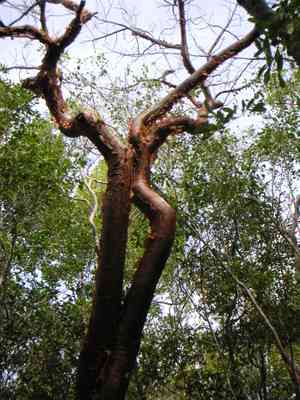
Recognized for its exfoliating reddish bark and hardiness, gumbo limbo thrives with judicious trimming to preserve its form and eliminate compromised branches. Perform pruning in late winter or early spring, while the plant is inactive, to encourage robust development. Concentrate on lifeless or crossing branches and restrict removal to under 25% of the crown to prevent strain. Trimming improves air circulation, lowers the chance of illness, and encourages fresh, vibrant leaves.
What Are the Benefits of Pruning Gumbo Limbo?
What Are the Benefits of Pruning Gumbo Limbo?
Trimming gumbo limbo promotes robust development and helps preserve its desired form, ensuring both visual appeal and structural soundness.
What Is the Best Time for Pruning Gumbo Limbo?
What Is the Best Time for Pruning Gumbo Limbo?
During late winter and early spring, gumbo limbo is typically dormant or just beginning its active growth phase. Pruning in late winter, before spring growth commences, ensures cuts heal quickly as the plant reactivates, reducing disease risk. Early spring pruning allows gardeners to shape the plant and manage its size effectively, directing energy to healthy new growth instead of old or dead branches. These periods avoid gumbo limbo's flowering or fruiting cycles, thus not hindering these crucial reproductive processes. Additionally, removing excess or damaged growth at this time helps maintain the plant's health, vigor, and structural integrity.
What Tools Do I Need to Prune Gumbo Limbo?
Bypass Pruners
Ideal for making precise cuts on young or slender branches of gumbo limbo, minimizing harm to plant tissues.
Pruning Saw
Essential for severing larger branches that bypass pruners cannot manage, ensuring a clean cut without tearing gumbo limbo's bark.
Loppers
Suitable for branches too thick for bypass pruners but not requiring a saw; they also offer leverage for easier cutting.
Pole Pruner
Useful for reaching elevated branches on gumbo limbo, enabling pruning without climbing or using ladders.
Gloves
Shield hands from the plant's sap and ensure safety while operating pruning implements.
Safety Glasses
Protect eyes from flying debris and sap when trimming gumbo limbo.
How to Prune Gumbo Limbo
Step1: Inspect for Dead or Diseased Branches
Examine gumbo limbo thoroughly to identify dead wood, ailing limbs, and weak branches needing removal. The optimal time to prune is late winter or early spring before new growth begins.
Step2: Gather and Sterilize Pruning Tools
Prepare the necessary equipment, including sharp pruning shears, loppers, and a pruning saw. Ensure they are clean and disinfected to prevent disease transmission.
Step3: Prune Dead Wood Correctly
Start with dead wood. Cut dead branches back to living tissue. Make your cut at a 45- to 60-degree angle, approximately 1/4 inch above a live bud or branch junction to encourage proper healing and new growth.
Step4: Remove Diseased Limbs Safely
Identify and remove diseased limbs. Make cuts well below the affected sections to prevent contamination of healthy parts. Dispose of diseased limbs properly and sterilize your tools after cutting infected wood.
Step5: Eliminate Weak and Damaged Branches
Trim weak branches showing signs of damage or vulnerability, such as narrow crotches or those that cross and rub. Remove them to enhance air circulation and gumbo limbo's structural integrity.
Step6: Preserve Natural Shape and Tree Crown
Maintain gumbo limbo's natural form. Do not cut into the trunk or remove more than one-fourth of the tree's crown in a single season. For larger branches, use pruning cuts that preserve the collar to promote proper wound healing.
Step7: Clean Up Pruning Debris
After pruning, clear all debris and fallen leaves to deter pests and diseases. Discard or compost the material away from gumbo limbo.
Step8: Monitor Plant and Apply Mulch
Monitor gumbo limbo after pruning for signs of disease or pests. Apply mulch around the base to conserve moisture and provide nutrients as it decomposes, but keep it away from the trunk to prevent rot.
Step9: Minimize Pruning to Essential
Limit pruning to the minimum necessary to maintain plant health and desired shape to avoid stressing gumbo limbo. Prune again only if essential during the growing season to remove any new dead, diseased, or weak growth.
Post-Pruning Care for Gumbo Limbo
Post-Pruning Care for Gumbo Limbo
Immediately after trimming gumbo limbo, allow clean cuts to heal naturally without dressings. Position gumbo limbo in a bright, indirectly lit area; avoid excessive direct sunlight to lessen stress. Maintain moderate humidity and a stable temperature to aid recovery. A balanced, slow-release fertilizer can stimulate growth without overwhelming gumbo limbo. Regularly check for signs of infection or distress like wilted leaves or sap oozing. If symptoms appear, promptly isolate gumbo limbo and apply suitable fungicides or pest treatments.
Common Pruning Mistakes with Gumbo Limbo
Avoid Over-pruning to Prevent Stress
Excessive pruning, which involves removing too much foliage at once, can stress gumbo limbo and lead to poor growth or susceptibility to pests and disease.
Do Not Cut Branches Too Close to Trunk
Cutting branches too near the main trunk may harm gumbo limbo's collar, increasing the risk of infection and decay.
Use Sharp, Clean Tools for Clean Cuts
Using dull or dirty pruning tools can result in jagged cuts that hinder the healing process and introduce pathogens to gumbo limbo.
Prune with Purpose to Maintain Health and Appearance
Pruning without a clear objective, such as removing dead wood or shaping gumbo limbo, can lead to an undesirable appearance and may harm the plant's overall health.
Consider Natural Shape Before Pruning
Ignoring gumbo limbo's natural shape and growth pattern may result in pruning that detracts from its inherent beauty and structural integrity.
Common Pruning Tips for Gumbo Limbo
Utilize Sterilized Sharp Shears for Minimizing Damage
Make precise cuts on gumbo limbo with sharp, sterilized pruning shears to minimize damage and the risk of disease.
Cut Above Leaf Nodes to Promote Directed Growth
When shortening branches, cut just above a leaf node or bud to encourage healthy new growth in the desired direction on gumbo limbo.
Prioritize Removing Dead or Damaged Limbs
Remove dead, damaged, or diseased limbs from gumbo limbo first to improve plant health and aesthetics.
Thin Dense Areas for Better Light and Air Flow
Thin out dense areas of gumbo limbo to increase light penetration and air circulation, which can reduce the risk of disease and improve overall plant vigor.
Angle Cuts Away from Buds for Water Runoff
Cut at an angle that slopes away from the bud, preventing water accumulation and promoting quicker healing on gumbo limbo.
Maintain Natural Form During Pruning
Respect the natural form of gumbo limbo when pruning to maintain its characteristic shape and encourage balanced growth.



