How to Prune Purple small-reed?
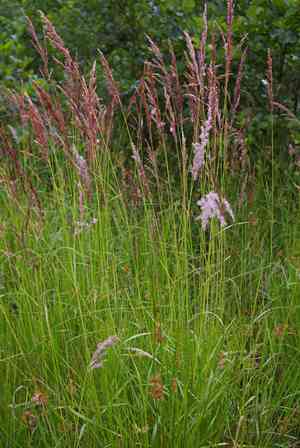
This enduring grass, recognized by its feathery inflorescences, flourishes with little upkeep. To achieve peak vitality and development, trim purple small-reed during early spring or winter prior to the emergence of fresh sprouts. Severing it to the soil level revitalizes purple small-reed and averts excessive density. Trimming additionally manages its dimensions and fosters more abundant leaves, boosting its decorative charm. Guarantee precise, sanitized cuts to avert ailments. Pruning performed at the appropriate time of year results in a vigorous specimen with striking seasonal presentations.
What Are the Benefits of Pruning Purple Small-reed?
What Are the Benefits of Pruning Purple Small-reed?
Trimming purple small-reed promotes robust development by eliminating dead or diseased stalks, thereby directing nutrients to healthy tissue. It also aids in preserving the desired form for visual appeal and garden consistency.
What Is the Best Time for Pruning Purple Small-reed?
What Is the Best Time for Pruning Purple Small-reed?
The optimal time for pruning purple small-reed is in early spring or late winter, prior to the emergence of new growth. During this period, the plant is inactive, which minimizes stress and the potential for disease transmission. This timing enables gardeners to sculpt the plant and remove any dead or damaged foliage without hindering future development. It also precedes the growing season, ensuring that energy is channeled into new, healthy shoots for a vigorous start. Furthermore, as purple small-reed is a grass species, cutting it back at this time helps revitalize the plant and encourages denser growth, along with improved flowering performance in the subsequent season.
What Tools Do I Need to Prune Purple Small-reed?
By-Pass Pruners
These are perfect for precise cutting and shaping of purple small-reed as they create clean cuts that heal rapidly, lowering the risk of disease.
Grass Shears
For trimming and maintaining the form of purple small-reed, grass shears provide an easy method to clip the grass blades without harming the plant.
Long-Handled Loppers
If purple small-reed has some thicker stems or if it's necessary to reach into denser clumps without stepping on surrounding plants, these will offer the required leverage.
Handheld Pruning Saw
Should purple small-reed have developed woody stems that by-pass pruners or loppers cannot manage, a pruning saw is suitable.
How to Prune Purple Small-reed
Clean tools
Sanitize pruning implements before use to prevent the spread of illness to purple small-reed.
Diseased leaves
Remove any leaves exhibiting signs of disease at the stem's base, using sterilized shears to safeguard the overall health of purple small-reed.
Withered leaves
Cut off any dried or dead leaves at their base to maintain the appearance and vitality of purple small-reed.
Disposal
Discard removed plant material away from healthy plants to prevent any potential disease transmission.
Inspect
Examine purple small-reed for any remaining unhealthy sections, repeating the above steps if necessary.
Common Pruning Mistakes with Purple Small-reed
Over-pruning
Removing too much foliage at once can stress purple small-reed, leading to stunted growth or increased vulnerability to diseases.
Improper tool use
Using dull or unclean pruning tools can result in jagged cuts and damage to purple small-reed, making it more susceptible to infection.
Pruning without a plan
Random or unplanned cuts can lead to an unbalanced shape and may disrupt purple small-reed's natural growth patterns.
Neglecting deadheads
Failing to remove spent flowers can prevent purple small-reed from producing new blooms, as it expends energy on seed production instead.
Common Pruning Tips for Purple Small-reed
Sharp tools
Ensure pruning shears are sharp and clean to make precise cuts that will heal quickly, reducing stress on purple small-reed.
Selective thinning
Trim back older stems selectively to allow light and air to reach the inner parts of the plant, promoting healthy growth without excessive thinning.
Shape maintenance
Prune purple small-reed to maintain its natural shape while controlling its size, focusing on removing only what is essential.
Deadheading
Regularly remove spent flowers to encourage purple small-reed to produce more blooms and redirect energy to healthy growth.



