How to Prune Japanese callicarpa?
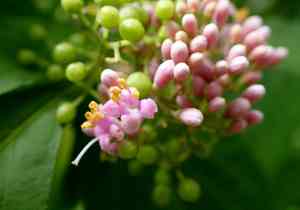
Celebrated for its vivid fruit and abundant leaves, japanese callicarpa flourishes with trimming after flowering. Perform cuts in late winter or early spring to sculpt and stimulate fresh development. Remove spent floral groupings to promote berry production and manage excessive growth. Consistent, targeted removal of mature branches improves light exposure and air movement, vital for the plant's vigor. When pruned correctly, japanese callicarpa offers strong health and visual attractiveness.
Advantages of Trimming Japanese Callicarpa
Advantages of Trimming Japanese Callicarpa
Trimming japanese callicarpa promotes robust development by encouraging new shoots, which enhances blooming and fruit production. It also assists in preserving the desired form, fostering a dense and appealing structure.
Optimal Period for Trimming Japanese Callicarpa
Optimal Period for Trimming Japanese Callicarpa
Trimming japanese callicarpa during late winter or early spring is ideal as it coincides with its dormant phase, just prior to the emergence of new growth. This timing ensures minimal stress on japanese callicarpa while maximizing recovery and vitality during the growing season. Late winter pruning aids in removing any dead or damaged wood from potential frost harm, while early spring pruning prepares the plant for healthy new shoots. Furthermore, this timing avoids disrupting the flowering and fruiting cycle since japanese callicarpa blooms on new wood; thus, pruning after growth initiation allows gardeners to enjoy the plant's ornamental berries and flowers in the subsequent growing season.
Tools Required for Trimming Japanese Callicarpa
Bypass Pruners
Perfect for making clean cuts on the young, pliable stems of japanese callicarpa without crushing plant tissue. Suitable for most general trimming tasks like shaping and removing dead or diseased branches.
Loppers
Useful for severing thicker branches that bypass pruners cannot manage. The extended handles provide leverage to cleanly cut through branches up to 1.5 inches in diameter, which is important for the occasional thicker growth of japanese callicarpa.
Pruning Saw
Essential for removing any larger limbs that may have developed on older japanese callicarpa plants. Saws are beneficial when branches are too thick for loppers and a precise cut is needed to promote proper healing.
How to Trim Japanese Callicarpa
Identify
Inspect japanese callicarpa thoroughly to pinpoint all dead or diseased branches. Look for branches exhibiting signs of decay, discoloration, or stunted growth.
Disinfect
Before cutting, sanitize pruning tools with a bleach or alcohol solution to prevent the spread of disease to healthy parts of japanese callicarpa.
Cut dead branches
Utilize sharp, clean pruning shears to cut dead branches. Make cuts at a 45-degree angle approximately 1/4 inch above an outward-facing bud of japanese callicarpa to encourage external growth.
Remove diseased branches
Carefully eliminate diseased branches by cutting them well back into healthy wood. Ensure the cuts are clean and avoid tearing the bark of japanese callicarpa.
Cleanup
Dispose of all removed dead and diseased material far from japanese callicarpa to prevent re-infection. Clean the pruning tools again after finishing to eliminate any pathogens.
Common Trimming Errors with Japanese Callicarpa
Excessive Pruning
Cutting back too much of japanese callicarpa can result in weakened plants prone to diseases or poor development. The plant should retain sufficient mature stems to maintain its natural form and vitality.
Neglecting deadwood removal
Failing to remove dead or diseased wood can hinder japanese callicarpa's growth by diverting energy from healthy parts of the plant. This also elevates the risk of pest infestation and disease.
Incising the plant
Improper cutting techniques, such as tearing or making jagged cuts, can harm japanese callicarpa's stems and create entry points for disease. Clean, sharp cuts are crucial for the plant's health.
Untimely pruning
Pruning at the wrong time, though not specified when, can either impede flowering or leave new growth susceptible to weather changes. It's important to understand when japanese callicarpa benefits most from pruning.
Ignoring the natural shape
Not considering japanese callicarpa's natural growth pattern when pruning can lead to an unattractive shape that may diminish its ornamental value and overall health.
General Trimming Advice for Japanese Callicarpa
Sharp tools
Always use clean, sharp pruning tools to make precise cuts. This minimizes damage and helps prevent disease transmission between plants.
Selective pruning
Perform selective pruning by thinning out crowded areas to enhance air circulation and light penetration, which is vital for japanese callicarpa's health and flowering.
Health maintenance
Regularly inspect japanese callicarpa for dead, diseased, or damaged branches, and remove them promptly to maintain the plant's overall health.
Rejuvenation
Occasionally, japanese callicarpa may benefit from more extensive pruning to rejuvenate and stimulate new growth. This must be done cautiously and at the appropriate time for japanese callicarpa.
Cut angle
Make cuts at a slight angle, away from the bud, to encourage proper growth direction and prevent water collection on the cut surface, which can lead to rot.



