How to Prune Carolina allspice?
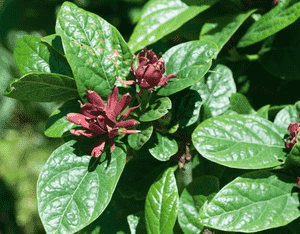
This deciduous bush, recognized for its aromatic, deep red blossoms and allspice aroma, flourishes when adequately tended. For carolina allspice, trimming ought to concentrate on excising lifeless or compromised wood, reducing overcrowded limbs to enhance air movement, and sculpting the specimen. The perfect period for pruning is in late winter or early spring prior to the emergence of new shoots. Pruning carolina allspice during this interval fosters robust flowering and sustains a controllable dimension, simultaneously averting ailments by enabling greater illumination and ventilation to permeate the leaves.
What Are the Benefits of Pruning Carolina Allspice?
What Are the Benefits of Pruning Carolina Allspice?
Trimming carolina allspice encourages robust new development and helps maintain its desired form. Removing older wood promotes fresh foliage and preserves the plant's structural integrity.
What Is the Best Time for Pruning Carolina Allspice?
What Is the Best Time for Pruning Carolina Allspice?
Pruning carolina allspice in late winter to early spring coincides with its dormant phase, just before new growth emerges. This timing minimizes stress on carolina allspice, allowing for strong recovery and growth in the subsequent season. Furthermore, trimming before the initial spring growth enables gardeners to effectively shape carolina allspice while its structure is visible, and the risk of disease transmission is lower in cooler weather. By pruning before carolina allspice expends energy on leafing out, gardeners ensure the plant's resources are directed towards healing pruned areas and developing new growth that leads to flowering.
What Tools Do I Need to Prune Carolina Allspice?
Hand Pruners
For carolina allspice, hand pruners are suitable for cutting stems and branches up to 0.75 inches in diameter. They provide a clean cut that aids in the plant's quick recovery.
Lopping Shears
Lopping shears are used for cutting branches that are too thick for hand pruners but not exceeding 1.5 inches in diameter, which is appropriate for the mature stems of carolina allspice.
Pruning Saws
For the oldest and thickest branches of carolina allspice that loppers can't handle, a pruning saw is necessary. The saw allows for precise cuts on branches over 1.5 inches in diameter.
Hedge Shears
Carolina allspice can form thickets, and hedge shears are useful for shaping and maintaining the dense foliage and stems when a manicured appearance is desired.
Pruning Gloves
Wearing gloves is necessary to protect the hands from scratches and ensure a firm grip on the tools when pruning carolina allspice.
Sharpening Tool
Maintaining sharp blades on all pruning tools is vital for making clean cuts that will heal properly, minimizing stress and disease risk for carolina allspice.
How to Prune Carolina Allspice
Step1: Timing for Pruning
Choose the appropriate time to prune carolina allspice, which is right after it flowers in the spring to early summer.
Step2: Sterilize Pruning Tools
Sanitize your pruning shears with rubbing alcohol or a bleach solution to prevent the spread of disease.
Step3: Identify Spent Flowers
Locate old flowers on carolina allspice. They will be found at the end of last year's shoots, typically with faded colors and dry, papery textures.
Step4: Remove Faded Blooms
Cut the spent flowers off carolina allspice just above the first set of large leaves to promote healthy new growth and potentially more blooms the next year.
Step5: Detect Dead Branches
Look for any dead branches, which will appear dry, brittle, and lack green growth. They may also be discolored, gray or black.
Step6: Prune Dead Branches
Remove dead branches from carolina allspice at their point of origin or back to a main branch or trunk, making sure to cut just outside the collar (the thickened area where the branch meets the trunk) for proper healing.
Step7: Spot Weak Shoots
Identify weak shoots on carolina allspice that are thin, spindly, and underdeveloped compared to other mature stems.
Step8: Trim Weak Shoots
Cut back the weak shoots on carolina allspice either to their point of origin or to a strong outward-facing bud to redirect energy to more vigorous branches.
Step9: Clean Pruning Area
After making all cuts, clear away all pruning debris from around the base of carolina allspice to reduce the risk of pests and disease.
Step10: Monitor and Water Post-Prune
Observe carolina allspice after pruning for signs of new growth and overall health, and water as necessary to help the plant recover and establish new growth.
Post-Pruning Care for Carolina Allspice
Post-Pruning Care for Carolina Allspice
Immediately after pruning carolina allspice, water the plant thoroughly to reduce stress and aid recovery. Ensure carolina allspice is positioned in partial shade to avoid scorching, maintaining a temperate and evenly humid environment. Apply a balanced, slow-release fertilizer to replenish nutrients and promote new growth. Regularly inspect for signs of stress, such as wilting or discoloration, and treat promptly with appropriate fungicides or insecticides if infection or infestation is detected. Careful attention to these practices will support carolina allspice's health and vigor.
Common Pruning Mistakes with Carolina Allspice
Over-Pruning Beyond One-Third of Tissue
Pruning too aggressively by cutting away more than one-third of carolina allspice's living tissue, which can stress the plant and lead to poor growth or reduced flowering.
Improper Cuts Close to Main Stem Risk Disease
Making cuts too close or flush to the main stem, which can damage carolina allspice's protective callus tissue and increase the risk of disease.
Using Dull or Dirty Tools Causes Ragged Cuts
Using dull or dirty pruning tools, which can result in ragged cuts that are more susceptible to pests and diseases and may impede the plant's natural healing process.
Not Removing Dead/Crossing Branches Reduces Airflow
Neglecting to remove dead or crossing branches, which can lead to an unsightly appearance as well as reduced air circulation, increasing the likelihood of disease.
Ignoring Natural Shape Affects Growth and Flowering
Ignoring the natural shape of carolina allspice, leading to an unnatural appearance and potential harm to the plant's structure and flowering potential.
Common Pruning Tips for Carolina Allspice
Clean Cuts at 45-Degree Angle for Outward Growth
Use sharp, clean pruning shears or loppers to make clean cuts at a 45-degree angle, about a quarter inch above an outward-facing bud or branch to promote outward growth.
Thinning for Air Circulation and Removing Rubbing Branches
To maintain the health of carolina allspice, focus on thinning out dense growth to improve air circulation within the plant, and selectively remove any branches that are dead, diseased, or rubbing together.
Prune Following Natural Growth, Limit Reduction by One-Third
Maintain the natural habit and appearance of carolina allspice by following its growth pattern when pruning, reducing the size of overgrown branches by no more than one-third.
Remove Base Shoots Unless Bushy Habit is Desired
Cut back any shoots that emerge from the base of carolina allspice, known as suckers, unless a more bushy habit is desired, as they can sap energy from the main plant and lead to a cluttered base.
Disinfect Tools After Pruning to Prevent Disease Spread
After pruning, clean the tools with a solution of one part bleach to nine parts water to prevent the spread of diseases to carolina allspice or other plants in the garden.



