How to Prune Tea-oil camellia?
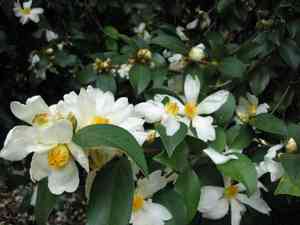
Celebrated for its aromatic blossoms and seeds yielding tea oil, tea-oil camellia flourishes with appropriate trimming. Essential methods involve excising deceased or ailing wood and reducing dense branches to improve air movement and light access. The most effective time for pruning is in early spring or winter, while the plant is inactive, to encourage robust new development. This targeted cutting reduces energy expenditure on non-productive sections, channeling nutrients toward healthy expansion, and can boost harvest and oil excellence.
What Are the Benefits of Pruning Tea-oil Camellia?
What Are the Benefits of Pruning Tea-oil Camellia?
Trimming tea-oil camellia promotes abundant blooms and strengthens its resistance to pests and illnesses, ensuring a more robust and thriving plant.
What Is the Best Time for Pruning Tea-oil Camellia?
What Is the Best Time for Pruning Tea-oil Camellia?
Pruning tea-oil camellia in early spring is beneficial as it aligns with the end of its dormant period, just before active growth begins. This timing supports the plant's natural cycle by stimulating new growth as temperatures rise. Additionally, any winter frost damage is minimized, as new growth won't be exposed to severe cold. Winter pruning, specifically late winter before new growth starts, also coincides with tea-oil camellia's dormancy, allowing for clear visibility of its structure without leaves. This enables precise removal of dead or diseased wood and shaping without negatively impacting flower production, as tea-oil camellia typically flowers on new wood. Furthermore, winter pruning can encourage stronger, more vigorous growth in the subsequent season, enhancing the overall health and appearance of tea-oil camellia.
What Tools Do I Need to Prune Tea-oil Camellia?
Hand Pruners
Perfect for excising small branches and twigs from tea-oil camellia. They offer precision for shaping the plant and cutting near a bud or branch without harming surrounding growth.
Loppers
Suitable for severing thicker stems or branches of tea-oil camellia that are too large for hand pruners. Their extended handles provide leverage and allow access into the plant without damaging its overall form.
Pruning Saw
Essential for removing branches exceeding an inch in diameter that loppers cannot manage. The fine teeth of a pruning saw create clean cuts through tea-oil camellia's wood, preventing tearing and encouraging faster healing.
Hedge Shears
Tea-oil camellia may occasionally need shaping, especially if cultivated as a hedge. Hedge shears are ideal for trimming and shaping the outer foliage, enabling even, straight cuts across multiple stems simultaneously.
Gloves
Hand protection during tea-oil camellia pruning is vital. Gloves prevent injuries from thorns, sharp branches, and the tools themselves.
Pruning Sealant
Though not a tool, a pruning sealant can be useful for safeguarding larger cuts on tea-oil camellia from disease and pests. However, it should be used sparingly, as air healing is generally preferred for cuts.
How to Prune Tea-oil Camellia
Step1: Timing Pruning Post-Bloom
Determine the correct pruning period for tea-oil camellia, typically after flowering in late winter or early spring, to avoid removing new buds. This ensures plant health and optimizes growth and blooming.
Step2: Sanitizing Pruning Tools
Disinfect your pruning tools before starting. This helps prevent disease transmission between plants. Use a 10% bleach solution or rubbing alcohol to sterilize your pruners or shears.
Step3: Deadheading Spent Blooms
Begin by removing old flowers from tea-oil camellia. Carefully snip off faded blooms at the base of the flower head, being cautious not to harm any nearby emerging buds. This process, called deadheading, encourages more flowering.
Step4: Removing Dead or Damaged Branches
Look for withered branches on tea-oil camellia that are dead, damaged, or diseased. Using your sanitized pruning tools, make clean cuts at a 45-degree angle about 1/4 inch above a healthy outward-facing bud or node. Remove these branches completely to maintain plant health and appearance.
Step5: Discarding Yellow Leaves
Inspect tea-oil camellia for yellow leaves, which can indicate age, poor health, or nutrient deficiency. Gently remove yellow leaves by hand if they detach easily, or use pruning shears to cut them off at their base.
Step6: Shaping and Thinning Plant
Shape tea-oil camellia by selectively pruning to maintain or create the desired plant form. Remove any crossing or rubbing branches to improve air circulation. Thin out dense areas by cutting some of the oldest stems at the base to stimulate new growth.
Step7: Clean-up and Waste Disposal
Clear all removed plant material from around the base of tea-oil camellia to reduce the risk of disease and pests. Compost healthy plant debris, but dispose of diseased material in the trash.
Step8: Watering after Pruning
Water tea-oil camellia after pruning to help alleviate plant stress and provide the hydration needed for recovery and growth.
Step9: Monitoring and Maintenance Pruning
Monitor tea-oil camellia for signs of new growth and health, performing additional selective pruning if necessary throughout the growing season. Remember that less is often more; avoid over-pruning as it can stress tea-oil camellia and delay its recovery.
Post-Pruning Care for Tea-oil Camellia
Post-Pruning Care for Tea-oil Camellia
Immediately after pruning tea-oil camellia, ensure cuts are clean to promote rapid healing. Maintain moderate sunlight, avoiding direct exposure to prevent stress. Regulate humidity and temperature to mimic tea-oil camellia's natural environment—balanced, not excessively wet or dry. Apply a balanced, slow-release fertilizer to supply essential nutrients for recovery. Diligently monitor tea-oil camellia for wilting or discoloration as indicators of stress or infection. If symptoms appear, promptly address with appropriate fungicide or pest management methods. Implementing these steps fosters robust regrowth of tea-oil camellia.
Common Pruning Mistakes with Tea-oil Camellia
Over-Pruning Causes Stress and Less Flowering
Pruning too aggressively can stress tea-oil camellia and lead to reduced flowering. Removing more than one-third of the plant's foliage is generally not advised.
Improper Cutting Harms Bloom on Old Growth
Cutting into old wood beyond the current season's growth can potentially harm tea-oil camellia, as they typically bloom on old wood. This may result in fewer flowers or even damage the plant's overall health.
Ignoring Dead and Diseased Branches Reduces Airflow
Failing to remove dead, diseased, or crossing branches can decrease air circulation within tea-oil camellia and heighten its susceptibility to pests and diseases.
Dull Tools Lead to Jagged Cuts and Disease
Using dull or unsanitized pruning tools can result in jagged cuts that are more vulnerable to disease or pests, or can spread disease between plants.
Pruning Against Natural Shape May Damage Health
Disregarding the natural form of tea-oil camellia by pruning it into a formal shape can compromise the plant's health and aesthetic appeal.
Common Pruning Tips for Tea-oil Camellia
Clean Sharp Cuts Minimize Damage
Utilize clean, sharp pruning shears to make precise cuts on tea-oil camellia, ensuring minimal harm to the remaining plant tissue.
Thinning Enhances Light and Air Penetration
Focus on thinning out congested areas to allow light and air to reach inner branches, which in turn supports the health and growth of tea-oil camellia.
Cut Above Outward Buds for Natural Outward Growth
Make pruning cuts just above outward-facing buds to encourage tea-oil camellia to grow outwards, enhancing its natural shape and promoting better flowering.
Cut Back to Leaves to Stimulate Growth
When aiming to maintain size or shape, cut back tea-oil camellia to just above a pair of leaves. This will stimulate new growth below the cut.
Remove Dead Wood to Maintain Health
Regularly remove any dead or diseased wood to preserve the health of tea-oil camellia, cutting back to healthy tissue to prevent disease spread.
Mulch and Fertilize After Pruning for Recovery
After pruning tea-oil camellia, apply a layer of mulch and consider a balanced fertilizer to aid recovery and provide nutrients for new growth.



