How to Prune Tussock bellflower?
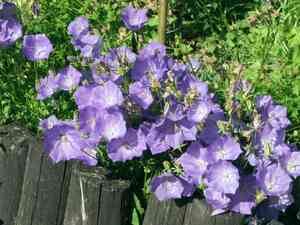
This enduring plant develops compact clusters of leaves adorned with campanulate blossoms in shades of blue, purple, or white. Regarding tussock bellflower, removing faded flowers stimulates additional blooming. Trim away any withered or discolored leaves to preserve its visual attractiveness. Perform active pruning from the beginning of spring until late autumn, coinciding with its developmental period. Pruning enhances air movement and plant robustness, potentially lowering the chances of illness. Prune sparingly, as extensive trimming might negatively impact the plant's inherent clumping growth pattern.
What Are the Benefits of Pruning Tussock Bellflower?
What Are the Benefits of Pruning Tussock Bellflower?
Trimming tussock bellflower promotes abundant flowering and robust development, ensuring the plant keeps a compact and appealing form. Regular cutting helps prevent straggly growth and encourages denser foliage.
What Is the Best Time for Pruning Tussock Bellflower?
What Is the Best Time for Pruning Tussock Bellflower?
Pruning tussock bellflower in early spring is beneficial as it removes dead or damaged winter growth before new shoots emerge. This timing allows for shaping the plant and fostering more vigorous blooms in the coming season. Late autumn pruning is ideal for managing plant size and removing faded flowers, which can prevent unwanted self-seeding. Pruning during these periods aligns with tussock bellflower's growth cycle, giving the plant ample time to recover before the stresses of summer heat or winter cold. Additionally, these times avoid disrupting tussock bellflower's main flowering period, allowing gardeners to fully enjoy its blossoms during its active growth phase.
What Tools Do I Need to Prune Tussock Bellflower?
Hand Pruners
Tussock bellflower typically exhibits a delicate and compact growth habit, making hand pruners perfect for trimming foliage and dead blooms. They enable precise cuts without causing unnecessary harm to the plant's structure.
Scissors
For more precise trimming of tussock bellflower's smaller stems and leaves during thinning or shaping, a sharp pair of scissors can be utilized. They offer greater control when managing the plant's fine details.
Pruning Shears
For deadheading tussock bellflower or removing spent flowers to encourage more blooming, pruning shears are suitable. They provide a clean cut and can handle stems of varying thicknesses typical of tussock bellflower.
Gardening Gloves
When handling tussock bellflower, wearing gardening gloves can safeguard your hands from cuts or irritation. This is crucial when working closely with the plant, ensuring a safe pruning experience.
How to Prune Tussock Bellflower
Step1: Assess plant for dead flowers and damaged stems
Examine the tussock bellflower for any faded flowers and compromised stems that require trimming. This is usually necessary after the blooming period or when damaged foliage is visible.
Step2: Sanitize pruning tools to prevent disease spread
Disinfect your pruning scissors before you start to prevent the spread of disease. Clean the blades with rubbing alcohol or a solution of one part bleach to nine parts water.
Step3: Deadhead spent flowers for new growth
Begin by deadheading the spent flowers to encourage new growth and more blooms. Snip off the faded flowers at the base of their stem, just above a healthy leaf set.
Step4: Identify and assess damaged or diseased stems
Locate any stems that are damaged, diseased, or dead. Compromised stems may be broken, bruised, or show signs of pest infestation.
Step5: Cut back damaged stems to healthy tissue
Trim the damaged stems back to a healthy section. If the damage is near the plant's base, remove the entire stem where it emerges from the ground. Ensure the cut is clean and angled for water runoff.
Step6: Dispose of pruned plant parts to prevent pest/disease
After pruning, gather and discard all trimmed parts properly to prevent any potential spread of pests or diseases.
Step7: Water plant post-pruning for recovery
Water the tussock bellflower after pruning to aid the plant's recovery and settle any disturbed soil around its base.
Step8: Fertilize plant to nourish new growth after pruning
Apply a balanced fertilizer to support new growth after pruning, following the manufacturer's instructions specifically formulated for tussock bellflower.
Post-Pruning Care for Tussock Bellflower
Post-Pruning Care for Tussock Bellflower
Following tussock bellflower pruning, promptly water the plant to alleviate stress. Maintain moderate environmental conditions; indirect light, cool temperatures, and consistent humidity enhance recovery. Apply a balanced, slow-release fertilizer to replenish nutrients. Observe tussock bellflower frequently for wilting or discoloration, which indicates stress or disease. If symptoms appear, adjust care and consult a plant health expert. Vigilance ensures tussock bellflower's resilient regrowth.
Common Pruning Mistakes with Tussock Bellflower
Excessive pruning leads to reduced vitality and blooms
Pruning too aggressively, which may result in a weakened tussock bellflower with fewer blooms.
Failure to remove dead or diseased foliage hinders growth
Neglecting to remove dead or diseased foliage, which can impede tussock bellflower's growth and risk spreading disease.
Using unclean or dull tools causes damage and disease risk
Utilizing dirty or dull pruning tools, which can cause jagged cuts and make tussock bellflower more vulnerable to pests and diseases.
Pruning without knowledge of plant shape may unbalance structure
Pruning randomly without understanding tussock bellflower's natural shape, potentially leading to an unbalanced plant structure.
Skipping deadheading results in prematurely seeded, less bloomy plants
Overlooking the importance of deadheading spent flowers, which can prevent tussock bellflower from setting seeds too early and promote further blooming.
Common Pruning Tips for Tussock Bellflower
Use clean, sharp shears for quick-healing, healthy cuts
Always use clean, sharp pruning shears to ensure precise cuts that will heal rapidly, helping to maintain tussock bellflower's health.
Deadhead spent flowers to boost continuous bloom
Deadhead tussock bellflower regularly by pinching or snipping off the spent flower stems just above a set of healthy leaves to encourage continuous blooming.
Thin crowded stems to enhance air and light for healthy growth
Thin out crowded stems early in the growth season to improve air circulation and light penetration, which promotes healthy growth in tussock bellflower.
Shape by pruning back leggy stems to foster dense growth
Shape tussock bellflower by pruning back leggy stems just above a leaf node, which can stimulate growth and result in a fuller plant.
Prune after main bloom for shape and to encourage secondary blooms
After the primary blooming period, lightly prune tussock bellflower to maintain a compact shape and to rejuvenate the plant for potential secondary blooms.



