How to Prune Clustered bellflower?
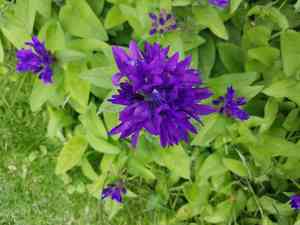
This enduring plant, recognized for its compact groupings of campanulate blossoms, flourishes with judicious trimming. Sever faded flower stalks above a set of robust leaves to stimulate subsequent flowering. In the initial weeks of spring, remove aged foliage to facilitate the emergence of fresh development. Routinely deadhead throughout the flowering period, spanning from early spring until late autumn, to sustain vitality and visual attractiveness. Trimming not only sculpts clustered bellflower but also fosters robust, more prolific blooms. Disinfect implements to avert the transmission of pathogens.
What Are the Benefits of Pruning Clustered Bellflower?
What Are the Benefits of Pruning Clustered Bellflower?
Trimming clustered bellflower promotes more abundant flowering, encourages vigorous development, and helps maintain a compact, appealing shape. Regular cutting prevents overcrowding and improves plant vitality and aesthetic appeal.
What Is the Best Time for Pruning Clustered Bellflower?
What Is the Best Time for Pruning Clustered Bellflower?
Cutting clustered bellflower in early spring fosters healthy new growth and helps maintain its desired form. Pruning after the bloom period, in summer, allows for the removal of spent flowers and may encourage a second flowering. Late fall pruning is beneficial as clustered bellflower has entered dormancy; reducing its size can protect it from winter damage and prevent disease by removing any dead or diseased parts. These periods help avoid stress during flowering and allocate the plant's energy more efficiently for strong growth and bloom production.
What Tools Do I Need to Prune Clustered Bellflower?
Bypass Pruners
Clustered bellflower possesses delicate stems that require clean and precise cuts to encourage healthy regrowth and prevent harm. Bypass pruners, with their curved, scissor-like blades, are perfect for making such cuts without crushing the plant's tissue.
Gardening Scissors
For removing faded flowers or light trimming of clustered bellflower, gardening scissors are ideal. They offer meticulous control and accuracy, which is very useful for the plant's clustered growth habit.
Long-Handled Loppers
If clustered bellflower's stems are thicker or located in hard-to-reach areas, long-handled loppers might be necessary. These provide leverage and reach without straining the gardener.
Pruning Gloves
While clustered bellflower is not known for being particularly thorny or irritating to the skin, pruning gloves can offer protection from accidental scratches and keep the gardener's hands clean.
Garden Shears
If trimming larger clumps of clustered bellflower during their dormant period is required, garden shears can be used for quick and efficient cuts. However, care should be taken to ensure the tool is sharp to avoid tearing the stems.
Pruning Saw
For mature specimens of clustered bellflower where the base may have developed woody stems, a pruning saw can be utilized to remove these parts without excessive effort.
Alcohol Wipes or Bleach Solution
Keeping tools clean and disinfected with alcohol wipes or a bleach solution is crucial to prevent the spread of disease when pruning clustered bellflower. Clean tools after each use, especially when moving between different plants.
Step-by-Step Approach
Start by inspecting clustered bellflower for dead, damaged, or diseased stems. Use bypass pruners or gardening scissors to trim these areas. For general shaping or size management, prune after flowering to encourage new growth while avoiding disruption to the flowering cycle. Disinfect tools before and after use to maintain clustered bellflower health.
How to Prune Clustered Bellflower
Step1: Identify Spent Blooms
Locate the faded flower heads on clustered bellflower. Look for blooms that have lost their color and are no longer vibrant. These are typically found at the stem tips.
Step2: Sterilize Pruning Tools
Sanitize your pruning shears with a 10% bleach solution or rubbing alcohol to prevent the transmission of any disease between plants.
Step3: Cut Above Healthy Leaves
Make a clean cut to remove the dead flower heads. Cut just above the first set of healthy leaves below the spent flower, ensuring you do not harm the rest of the stem or nearby buds.
Step4: Dispose or Compost Deadheads
Discard the removed dead flower heads or add them to a compost pile, but only if they show no signs of disease. This will prevent any potential disease from spreading in the garden.
Step5: Inspect Plant for Damaged Stems
After all the dead flower heads have been removed, examine clustered bellflower for any additional dead or damaged stems that may require pruning for the plant's health and shape.
Step6: Prune for Health and Shape
If any additional pruning is needed for shaping or to remove dead stems, again ensure to cut just above a set of leaves or a growth node to promote healthy new growth.
Step7: Clean Shears Post-Pruning
Clean your pruning shears after finishing to keep them in good condition and ready for subsequent use.
Step8: Water and Fertilize Plant
Water clustered bellflower if the soil is dry, and apply a balanced fertilizer to encourage new growth, following the specific requirements for the plant species.
Step9: Monitor for New Growth
Observe clustered bellflower for new growth. Deadheading has the potential to stimulate a second flush of flowers, thereby extending the blooming period.
Post-Pruning Care for Clustered Bellflower
Post-Pruning Care for Clustered Bellflower
Immediately after pruning clustered bellflower, water thoroughly to reduce stress. Maintain a humid environment without waterlogging the soil. Position clustered bellflower in bright, indirect light, avoiding extreme temperatures. Apply a balanced liquid fertilizer to aid recovery. Monitor clustered bellflower for wilted leaves or discoloration, indicating stress or infection. If such symptoms appear, adjust care promptly and consider a fungicide for suspected infections. Ensuring these conditions will facilitate healthy regrowth.
Common Pruning Mistakes with Clustered Bellflower
Over-pruning Reduces Blooms and Stresses Plants
Pruning clustered bellflower too severely, which can impair the plant's ability to regrow and result in fewer blooms. Removing too much foliage at once can stress the plant.
Unclean Tools May Introduce Disease to Bellflower
Not sterilizing pruning tools before use on clustered bellflower, which can introduce diseases to the plant and spread pathogens that can compromise the health of the bellflower and other garden plants.
Failure to Deadhead Wastes Energy on Seed Production
Neglecting to remove dead or faded flowers, often known as deadheading, which can cause clustered bellflower to expend energy on seed production rather than on new growth and blooms.
Common Pruning Tips for Clustered Bellflower
Sharp Shears for Clean Cuts and Disease Prevention
Use clean, sharp pruning shears for clustered bellflower to make precise cuts that will heal quickly, helping to prevent the introduction of diseases.
Deadheading Encourages Reblooming and Plant Health
Practice deadheading clustered bellflower by removing spent blooms. This encourages reblooming and helps maintain the appearance and health of the plant.
Prune to Basal Foliage After Blooming for Tidiness
Cut back the flowering stems of clustered bellflower to basal foliage after blooming to tidy the plant and potentially encourage a second flush of flowers later in the season.



