How to Prune Peach-leaved bellflower?
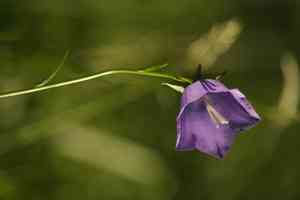
This enduring plant, featuring striking blue-purple blossoms, flourishes with little upkeep. Essential trimming methods involve removing faded flowers to stimulate additional blooming and reducing foliage post-flowering to sustain the plant's robustness. While peach-leaved bellflower tolerates pruning at any point, trimming after its bloom cycle is perfect for maintaining its form and well-being. Consistent pruning fosters a denser growth habit, boosts flower production, and deters unwanted self-propagation.
Advantages of Trimming Peach-leaved Bellflower
Advantages of Trimming Peach-leaved Bellflower
Trimming peach-leaved bellflower promotes a fuller, stronger plant, leading to abundant blossoms. It helps maintain the plant's structure and prevents it from becoming gangly or sprawling unattractively. Removing faded flowers and errant stems encourages vigorous development.
Optimal Time for Pruning Peach-leaved Bellflower
Optimal Time for Pruning Peach-leaved Bellflower
Pruning peach-leaved bellflower from late winter to early spring, just before new growth emerges, is ideal as it revitalizes the plant for the upcoming season. This timing allows for the removal of any dead or damaged winter foliage without harming new shoots. It also prepares the plant for prolific flowering since peach-leaved bellflower blooms on new wood. Post-flowering pruning can also be beneficial, stimulating a second bloom and preserving the plant's form.
Necessary Tools for Pruning Peach-leaved Bellflower
Hand pruners
Ideal for precise cuts on peach-leaved bellflower, enabling the removal of dead or diseased stems without harming the plant.
Scissors
Peach-leaved bellflower often requires thinning to maintain its shape and encourage blooming. Scissors are useful for deadheading and trimming small, delicate stems.
Gardening gloves
Protects the gardener's hands when pruning peach-leaved bellflower, which may have sap that could irritate skin or simply to prevent scratches.
Pruning saw
For older, more woody peach-leaved bellflower specimens, a pruning saw might be needed to cut through thick stems too large for hand pruners.
How to Prune Peach-leaved Bellflower
Sanitize Tools
Before beginning, ensure all pruning tools are clean and sharp to prevent disease transmission and make clean cuts on peach-leaved bellflower.
Remove Diseased Parts
Carefully remove any diseased leaves and branches from peach-leaved bellflower by cutting them at the base of the affected area without damaging healthy tissue.
Trim Withered Parts
Cut away withered leaves and dead branches, trimming back to just above a healthy leaf node or bud to encourage new growth on peach-leaved bellflower.
Deadhead Flowers
Deadhead faded flowers just below the bloom to encourage peach-leaved bellflower to direct energy into more flowers or foliage growth.
Cleanup
Gather all pruned material from around peach-leaved bellflower and dispose of it properly to prevent disease spread to healthy parts of the plant or other nearby plants.
Common Pruning Errors with Peach-leaved Bellflower
Excessive Pruning
A frequent mistake is removing too much foliage, which can weaken peach-leaved bellflower and reduce its blooming capacity. Pruning more than one-third of the plant at once is not recommended.
Incorrect Tool Use
Using dull or dirty tools can damage peach-leaved bellflower stems, increasing the risk of disease and pest issues. Always use sharp and clean tools for precise cuts.
Pruning Healthy Buds
Accidentally cutting off healthy buds or this year's growth can lead to a reduction in flowers. It's crucial to distinguish between spent flowers and new buds.
Neglecting Deadheading
Failing to regularly deadhead, or remove spent blooms, can diminish further flowering and may result in self-seeding, causing peach-leaved bellflower to spread more than desired.
General Pruning Advice for Peach-leaved Bellflower
Targeted Cutting
Focus on removing only dead or weak stems to maintain the health and form of peach-leaved bellflower. This precise approach stimulates new growth and more abundant blooms.
Deadheading
Remove spent flowers just below the flower head to encourage peach-leaved bellflower to produce more blooms and extend its flowering period.
Post-Flowering Pruning
After the main flowering period, cut back flower stalks to the base to neaten the plant and promote a second, though less vigorous, bloom period in some varieties.
Disease Management
Regularly inspect peach-leaved bellflower while pruning and promptly remove any diseased or pest-infested stems to prevent further spread. Make clean cuts to avoid creating entry points for pathogens.
Overall Shape
While pruning for health is vital, also consider the plant's overall shape and appearance. Trim for a desired form, but avoid severe shaping as peach-leaved bellflower may not tolerate aggressive topiary well.



