How to Prune Greater brown sedge?
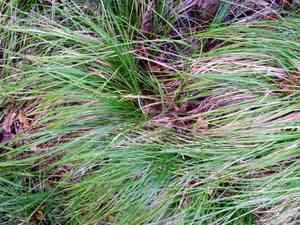
Greater brown sedge, a resilient decorative grass, flourishes optimally with deliberate cutting to preserve its form and foster robust development. Perform pruning in early spring or during winter, reducing the clusters to several inches above the soil. This seasonal method stimulates new shoots, boosts plant vitality, and manages its dimensions. Trimming also reduces the likelihood of illness by eliminating deceased or compromised leaves. For cultivators, this leads to a neater look and a more robust, enduring greater brown sedge.
What Are the Benefits of Pruning Greater Brown Sedge?
What Are the Benefits of Pruning Greater Brown Sedge?
Trimming greater brown sedge encourages robust development, allowing it to revitalize and sprout vigorously. It helps maintain its desired form for visual appeal and garden consistency.
What Is the Best Time for Pruning Greater Brown Sedge?
What Is the Best Time for Pruning Greater Brown Sedge?
Pruning or trimming greater brown sedge is optimally performed during early spring or winter, as this period aligns with the plant's natural dormant phase. In early spring, just before the new growth cycle begins, removing old foliage and dead material stimulates healthy new growth, enabling greater brown sedge to channel its energy into producing strong leaves. In winter, after the plant's active growth has ceased, pruning will not disrupt its development and can help preserve its desired shape and size. This timing also prevents cutting greater brown sedge during its flowering or fruiting stages, thereby safeguarding its aesthetic value and ecological contributions. Pruning during these recommended seasons helps sustain the vitality of greater brown sedge, ensuring it remains an attractive and robust component of the garden ecosystem.
What Tools Do I Need to Prune Greater Brown Sedge?
Hand Pruners
Perfect for cutting back dead or damaged leaves. Their size and sharp blades make them ideal for precise cuts without harming the rest of greater brown sedge.
Grass Shears
Grass shears can be useful for trimming and shaping greater brown sedge due to their design for fine-tuning grasses and sedges.
Long-Handled Loppers
If greater brown sedge is mature and has thicker stems, long-handled loppers can provide the leverage needed for a clean cut without straining the gardener's back.
How to Prune Greater Brown Sedge
Inspect
Examine greater brown sedge for diseased or withered leaves by checking for discoloration, spots, or wilting. Thoroughly inspect both the base and tips of the foliage.
Sanitize
Before beginning the pruning process, clean and disinfect your pruning tools to prevent the spread of disease among your plants.
TrimDiseased
Carefully remove diseased leaves from greater brown sedge by cutting them at the base of the leaf using sharp, sanitized scissors or pruners, taking care not to damage healthy tissue.
TrimWithered
Trim withered leaves to encourage healthy growth and improve air circulation. Cut each withered leaf back to its base or to the point of healthy tissue, avoiding excessive removal of healthy foliage.
Disposal
Dispose of the diseased and withered foliage far from healthy plants to prevent the spread of any pathogens and to maintain the cleanliness of the gardening area.
Common Pruning Mistakes with Greater Brown Sedge
Overpruning
Removing too much of greater brown sedge's foliage at once can stress the plant, lead to poor growth, and disrupt its natural form.
Blunt tools
Using dull or unsanitary pruning tools can result in jagged cuts that are more susceptible to disease and pests.
Improper cut location
Cutting too close to the crown of greater brown sedge or too far from the dead tissue can hinder new growth and harm the plant.
Removing too much dead material
While it might be tempting to remove all brown tips, doing so can reduce greater brown sedge's natural protection and resilience against environmental stressors.
Ignoring plant form
Neglecting the natural shape and growth habit of greater brown sedge can lead to an unnatural appearance and damage the plant's structure.
Common Pruning Tips for Greater Brown Sedge
Sharp clean tools
Always use sharp and disinfected pruning shears to make clean cuts and minimize injury to greater brown sedge.
Consider growth pattern
Understand greater brown sedge's growth pattern, which tends to be clump-forming, and prune in a way that maintains its natural shape and vigor.
Remove dead material carefully
Carefully trim away dead and damaged foliage to maintain greater brown sedge's health and appearance, but avoid cutting into the green, live tissue unnecessarily.
Thin center clumps
Thin out the center of dense greater brown sedge clumps if necessary to increase air circulation, which can reduce the risk of fungal diseases and encourage new, healthy growth.
Prune for density and form
Moderately reduce the length of overgrown leaves to enhance greater brown sedge's density and form, preserving the uniformity and neat appearance of the plant.



