How to Prune Glaucous sedge?
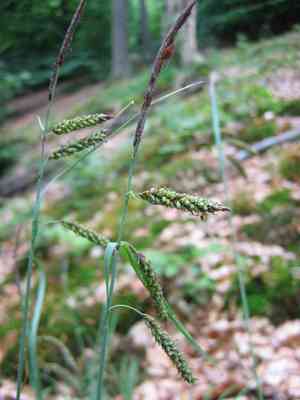
This enduring grass-like botanical specimen showcases grayish-blue-green leaves that develop into thick clusters. Trimming entails excising withered or compromised foliage and faded flower stalks using pruning shears. The most effective time for pruning is in early spring or during winter while glaucous sedge is inactive. Eliminating aged growth prior to spring stimulates robust new sprouts. Consistent clearing of detritus discourages infestations and enhances air movement. Pruning aids in maintaining a neat look and strong development for glaucous sedge.
Advantages of Trimming Glaucous Sedge
Advantages of Trimming Glaucous Sedge
Trimming glaucous sedge promotes robust development and preserves its intended form. This leads to denser foliage, aids in eliminating deceased or damaged sections, and fosters new, healthy growth to keep glaucous sedge looking optimal.
Optimal Period for Pruning Glaucous Sedge
Optimal Period for Pruning Glaucous Sedge
Pruning or trimming glaucous sedge in early spring is ideal as it precedes its active growth phase, enabling the plant to quickly recover and direct energy into new development. This timing also prevents cutting the plant during peak growing months when it's more vulnerable to stress. Winter pruning is beneficial because glaucous sedge is dormant, reducing the risk of shock from pruning and minimizing sap loss, which can attract pests. Both early spring and winter pruning ensure that previous year's foliage and seed heads don't hinder new growth, and dead or diseased material is removed to enhance plant vitality and appearance.
Tools Required for Pruning Glaucous Sedge
Hand Pruners
Recommended for making precise cuts and trimming individual glaucous sedge leaves that may have discolored or died back, as this will help in maintaining the aesthetic appearance of the plant. A sharp, clean pair of hand pruners will allow gardeners to neatly remove foliage without damaging nearby healthy growth.
Grass Shears
Ideal for shaping and cutting back larger clumps of glaucous sedge due to their design, which is especially suited for grasses. The long blades can neatly cut through multiple stems at once, which is more efficient for controlling the shape and size of the plant.
Gardening Gloves
While not a cutting tool per se, gloves are essential for protecting the gardener's hands during the pruning process. Glaucous sedge has narrow, blade-like leaves that can cause cuts or skin irritation, so gloves are recommended for safe handling.
How to Prune Glaucous Sedge
Clean tools
Before pruning glaucous sedge, sterilize your cutting tools using rubbing alcohol or a 10% bleach solution to prevent the spread of disease.
Inspect plant
Closely inspect glaucous sedge to identify any diseased or withered leaves that need to be removed. These will often appear discolored, shriveled, or spotted.
Cut diseased leaves
Using your sterilized tools, carefully trim off diseased leaves from glaucous sedge, cutting at the base where the leaf joins the stem or the crown of the plant without damaging healthy tissue.
Remove withered leaves
Similarly, prune away any withered leaves from glaucous sedge, as these are no longer contributing to the plant's growth and could harbor pests or diseases.
Dispose trimmed material
After pruning glaucous sedge, dispose of the diseased and withered leaves properly by removing them from the site and not composting them to prevent disease recurrence.
Common Pruning Mistakes with Glaucous Sedge
Over Pruning
Cutting back glaucous sedge too aggressively may damage the plant's health. Remove only what is necessary to maintain the plant's shape and health.
Pruning Healthy Growth
Avoid cutting into the healthy, green stems of glaucous sedge unless they are too long or disrupting the desired shape of the plant. Focus on dead or yellowing foliage.
Uneven Pruning
Failure to prune glaucous sedge evenly can result in a lopsided appearance. Always aim for a symmetrical shape unless a natural look is desired.
Using Dirty Tools
Not using clean, sharp pruning tools can introduce diseases to glaucous sedge. Always sterilize tools before use.
Ignoring Dead Foliage
Not removing dead or yellowing foliage can inhibit new growth in glaucous sedge. Regularly inspect and remove any unhealthy leaves.
Common Pruning Tips for Glaucous Sedge
Sharp Tools
Use sharp, clean scissors or pruning shears for glaucous sedge to make precise cuts and prevent damage to the remaining foliage.
Selective Thinning
Thin out older, brown leaves at the base of glaucous sedge to allow light and air to reach new shoots emerging from the center.
Shape Maintenance
Trim glaucous sedge to maintain a tidy, dome-like shape, which is natural for this species, and prevents the center from becoming bare over time.
Post-Flowering Pruning
After glaucous sedge has bloomed, remove the spent flower stalks at their base to encourage new growth and tidy up the plant.
Regular Inspection
Check glaucous sedge regularly for signs of pests or diseases when pruning, as early detection can prevent further issues.



