How to Prune Creeping broad-leaf sedge?
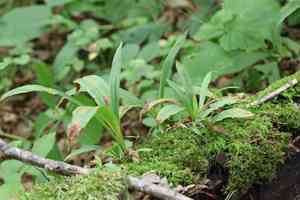
This enduring grass-like sedge flourishes in conditions ranging from partial to complete shade, showcasing its unique wide, verdant leaves. Essential trimming methods for creeping broad-leaf sedge involve removing aged or lifeless foliage and reducing any excessively large clumps to preserve its dense form. The most effective time for trimming is in early spring or during winter when the plant is inactive, which guarantees robustness and controls its expansion. Trimming encourages robust development and enhances visual attractiveness, representing a crucial upkeep measure for this ground-covering variety.
What Are the Benefits of Pruning Creeping Broad-leaf Sedge?
What Are the Benefits of Pruning Creeping Broad-leaf Sedge?
Trimming creeping broad-leaf sedge promotes robust development and preserves its compact structure. By eliminating aged or overgrown leaves, creeping broad-leaf sedge can reallocate energy to healthier sections, fostering a strong and visually appealing form.
What Is the Best Time for Pruning Creeping Broad-leaf Sedge?
What Is the Best Time for Pruning Creeping Broad-leaf Sedge?
Trimming creeping broad-leaf sedge in early spring coincides with the end of its dormant phase, preparing it for new growth as temperatures rise. This timing allows for the removal of any dead or damaged foliage from winter without impacting new shoots. Winter pruning is suitable as the plant is inactive, minimizing stress and preventing sap loss, which can attract pests. Additionally, the plant's structure is more visible without leaves, ensuring a more precise cut. These seasons avoid cutting during active growth or flowering periods, promoting strong health and aesthetic appeal.
What Tools Do I Need to Prune Creeping Broad-leaf Sedge?
Hand Pruners
Perfect for making neat cuts on the slender blades of creeping broad-leaf sedge, without crushing the delicate foliage.
Scissors
Sharp, fine-tipped scissors are ideal for precise trimming of creeping broad-leaf sedge, especially useful for thinning out small or crowded areas.
Gardening Gloves
Though not a cutting tool, gloves shield hands from potential irritants when handling creeping broad-leaf sedge, ensuring a safe pruning experience.
How to Prune Creeping Broad-leaf Sedge
Cleaning Tools
Sanitize pruning tools before starting to prevent the spread of diseases to creeping broad-leaf sedge. Use a solution of one part bleach to nine parts water or rubbing alcohol for disinfection.
Identify Diseased
Examine creeping broad-leaf sedge closely to spot diseased leaves, looking for signs of discoloration, spots, or decay.
Remove Diseased
Carefully cut any diseased leaves at their base where they emerge from the ground or the main stem, ensuring clean cuts to avoid tearing.
Identify Withered
Look for withered leaves on creeping broad-leaf sedge, which may appear dry, brown, and lifeless. These are typically older leaves that have completed their life cycle.
Remove Withered
Snip the withered leaves at the base, similar to diseased leaves, to encourage healthy growth and air circulation within creeping broad-leaf sedge.
Common Pruning Mistakes with Creeping Broad-leaf Sedge
Overzealous Pruning
Cutting back creeping broad-leaf sedge too aggressively can result in a weakened plant that struggles to recover. It's vital to prune only what's necessary to shape the plant or remove dead foliage.
Pruning In Dense Clumps
Attempting to prune creeping broad-leaf sedge by shearing large clumps can lead to uneven growth and harm the plant's natural form. It is better to selectively thin out the sedge.
Neglecting Tool Hygiene
Using uncleaned pruning tools can introduce disease to creeping broad-leaf sedge. It is crucial to clean and disinfect tools before use to maintain the plant's health.
Ignoring Dead Or Diseased Foliage
Failing to remove dead or diseased foliage can impede creeping broad-leaf sedge's growth and make it more vulnerable to further disease and pest infestations.
Uneven Cuts
Making jagged or uneven cuts can damage creeping broad-leaf sedge and hinder proper healing, leaving it susceptible to pests and diseases.
Common Pruning Tips for Creeping Broad-leaf Sedge
Selective Thinning
To maintain the natural shape of creeping broad-leaf sedge, selective thinning of old and dead foliage is recommended over extensive cutting. This promotes better air circulation and light penetration.
Clean Cuts
Ensure you use sharp scissors or pruning shears to make clean cuts that heal quickly, reducing stress on creeping broad-leaf sedge and the risk of disease.
Prune For Health
Focus on removing only the dead or diseased foliage from creeping broad-leaf sedge to encourage healthy growth without significantly altering the plant's appearance or vitality.
Post-Pruning Care
After pruning, water the plant thoroughly and consider a light fertilization to support creeping broad-leaf sedge in its recovery and new growth process.
Following Natural Shape
When trimming creeping broad-leaf sedge, follow its natural growth pattern to maintain an aesthetically pleasing appearance and avoid pruning into the crown, which can be detrimental.



