How to Prune Texas sedge?
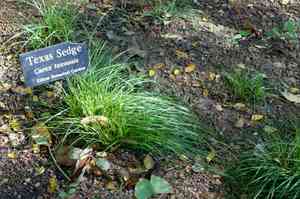
Texas sedge, a compact, clump-forming grass-like sedge, frequently serves as a groundcover. Trimming is best performed in late winter or early spring, prior to the onset of new development, to preserve its form and thickness. Reduce the foliage to a height of 2-3 inches from the soil surface. Consistent trimming encourages robust growth and aids in preventing excessive density, thereby ensuring peak vitality and aesthetic appeal. Incorporating this into routine garden upkeep improves its texture and rich green hue within landscape arrangements.
What Are the Benefits of Pruning Texas Sedge?
What Are the Benefits of Pruning Texas Sedge?
Trimming texas sedge promotes robust development and preserves its compact, neat shape. Regular cutting helps avoid overcrowding, leading to healthier leaves and a more appealing ground cover.
What Is the Best Time for Pruning Texas Sedge?
What Is the Best Time for Pruning Texas Sedge?
Pruning texas sedge in early spring is ideal as it prepares the plant for strong growth during its active season. Trimming at this time helps remove any dead or damaged foliage accumulated over winter, thus promoting healthier, denser growth. Additionally, winter pruning is beneficial as texas sedge is dormant during this period. This timing minimizes stress on the plant, allowing clearer visibility of the plant structure for selective removal of old growth, which encourages rejuvenation in the spring.
What Tools Do I Need to Prune Texas Sedge?
Hand Shears
These are perfect for trimming and shaping texas sedge due to its grass-like structure. The blades allow for precise cuts, which is crucial to maintain the aesthetic of this sedge.
Grass Scissors
For finer control and reaching into dense clumps of texas sedge, grass scissors provide the necessary precision and maneuverability. This tool is particularly useful for pruning without damaging the delicate blades of texas sedge.
String Trimmer
For larger areas or for a quick trim of texas sedge, a string trimmer can be effective. It allows for the efficient cutting back of overgrown patches, ensuring even growth throughout the area.
How to Prune Texas Sedge
Identify
Examine texas sedge closely to identify diseased and withered leaves. Look for any discolored, brown, or dead foliage that detracts from the plant's overall health and appearance.
Sanitize
Before starting the pruning process, sanitize your pruning tools. Use a solution of bleach or alcohol to clean the blades to prevent the spread of disease between plants.
Trim
Carefully trim the diseased or withered leaves at their base, close to the soil surface. Use sharp scissors or garden shears for a clean cut, which helps promote quicker healing and regrowth.
Dispose
Remove the trimmed off parts from the area around texas sedge. It's crucial to dispose of diseased leaves properly by bagging them and removing them from the garden to prevent disease recurrence.
Protect
After pruning, apply a thin layer of mulch around the base of texas sedge, which helps maintain soil moisture and temperature, protecting newly cut areas from environmental stress.
Common Pruning Mistakes with Texas Sedge
Over-pruning
One common error is over-pruning texas sedge, which can severely weaken the plant. Texas sedge thrives with minimal pruning, as excessive cutting can reduce its foliage density and vitality.
Incorrect technique
Using improper cutting tools or technique can damage the delicate structure of texas sedge. It's essential to use sharp, clean shears and make precise cuts to avoid tearing the foliage.
Pruning too short
Cutting texas sedge too short is a prevalent mistake. This species does not recover well from aggressive pruning, so only a mild trim is advisable to maintain its natural, grassy appearance.
Common Pruning Tips for Texas Sedge
Using sharp tools
Always use sharp, clean pruning shears when trimming texas sedge. This ensures clean cuts that heal quickly, preventing damage and possible disease entry.
Light trimming
Prune texas sedge lightly to remove dead or damaged foliage and to shape the plant subtly. This encourages a lusher, denser growth while maintaining the plant's natural form.
Post-flowering maintenance
After the flowering period, give texas sedge a light pruning to remove spent flower heads. This encourages the plant to focus more energy on robust foliage growth rather than seed production.



