How to Prune American hornbeam?
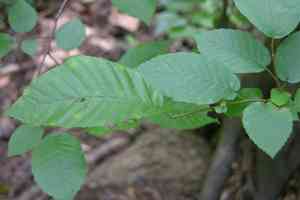
This deciduous woodland tree is recognized for its robust, grooved trunk and grayish bark. For american hornbeam, routine trimming is not mandatory but can improve its form and framework. Concentrate on eliminating deceased or injured branches, fostering robust branch angles by reducing rival limbs. The best times for pruning are late winter or early spring prior to foliage emergence. Trimming during these periods lessens stress and sap leakage, encouraging strong development and preserving the tree's well-being and visual appeal.
Advantages of Trimming American Hornbeam
Advantages of Trimming American Hornbeam
Trimming american hornbeam encourages robust development by eliminating dead or diseased wood and fosters a desired form, preserving its visual appeal in landscape design.
Optimal Period for Pruning American Hornbeam
Optimal Period for Pruning American Hornbeam
These periods are considered ideal because pruning american hornbeam in late winter or early spring enables gardeners to remove any compromised or unhealthy branches before the plant enters its active growth phase. This timing also helps prevent excessive sap loss, which can occur if pruning is done later in the spring when sap is actively flowing. Furthermore, trimming american hornbeam during dormancy minimizes the risk of attracting pests or diseases that are more common during warmer weather. Pruning during these specified times aligns with american hornbeam's growth cycle and helps ensure its health and vigor, without disrupting its flowering or fruiting periods.
Required Tools for Pruning American Hornbeam
Hand Pruners
Perfect for cutting stems and small branches up to ¾ inch in diameter, especially useful for shaping american hornbeam or removing dead wood without causing undue harm to the plant.
Loppers
Utilized for cutting thicker branches, up to 1 ½ inches in diameter, suitable for managing the more substantial growth of american hornbeam. They offer greater leverage and allow access deeper into the canopy.
Pruning Saw
Essential for larger branches exceeding 1 ½ inches in diameter, a pruning saw facilitates clean cuts without tearing the bark, thereby promoting healthy regrowth in american hornbeam.
Hedge Shears
Beneficial for trimming and shaping hedges if american hornbeam is being maintained as such. This tool enables quick and uniform cutting over extensive areas.
Pole Pruner
For elevated branches that are out of reach, a pole pruner allows the gardener to trim without using a ladder, enhancing safety when pruning american hornbeam.
How to Prune American Hornbeam
Step1: Dead Wood Assessment
Examine american hornbeam thoroughly during its dormant season, typically from late winter to early spring, to identify all dead wood, diseased limbs, and damaged branches requiring removal.
Step2: Tool Sanitization
Sanitize all pruning tools with a solution of 1 part bleach to 9 parts water or use rubbing alcohol to prevent disease transmission when cutting american hornbeam.
Step3: Dead Wood Removal
Remove any dead wood from american hornbeam by cutting at the point where the dead branch meets healthy wood, taking care not to harm the branch collar, which is the swelling at the base of the branch.
Step4: Diseased Limb Excision
Excise diseased limbs from american hornbeam by making clean cuts well below the affected areas to prevent disease spread. Dispose of these limbs properly according to local regulations.
Step5: Damaged Branch Trimming
Trim damaged branches of american hornbeam by making cuts just above outward-facing buds or lateral branches, choosing an angle that promotes water runoff and reduces disease risk.
Step6: Thinning for Air and Light
Shape american hornbeam after removing dead, diseased, and damaged wood by selectively thinning out overcrowded areas to improve air circulation and light penetration.
Step7: Avoid Topping Branches
Refrain from topping or significantly cutting back the leading branches of american hornbeam, as this can stimulate excessive sprouting and weaken the tree's structure.
Step8: Post-Pruning Tool Cleaning
After pruning american hornbeam, clean your tools again using the sterilizing solution to ensure no pathogens are transferred to the next plant or to storage.
Step9: Mulch Application
Apply a thin layer of mulch around the base of american hornbeam, but avoid piling mulch against the trunk, as this can create conditions for rot and pest infestation.
Step10: Post-Pruning Watering
Water american hornbeam thoroughly after pruning, especially if conditions are dry, to help the tree recover and seal the cuts against pathogens.
Aftercare for American Hornbeam Pruning
Aftercare for American Hornbeam Pruning
Immediately after pruning american hornbeam, ensure clean cuts to prevent disease. Position american hornbeam in dappled light, maintaining high humidity and stable temperatures to reduce stress. Apply a balanced, slow-release fertilizer to aid recovery without stimulating excessive growth. Regularly inspect for signs of pest infestation or fungal infections, particularly at pruning sites. If symptoms appear, treat promptly with appropriate fungicides or insecticides. These steps will promote american hornbeam's healthy regrowth and resilience.
Frequent Pruning Errors with American Hornbeam
Excessive Pruning Harms Plant Health
Over-pruning is a mistake that can stress american hornbeam and make it more susceptible to disease or pests. Removing more than 25-30% of the canopy in one season is generally excessive.
Incorrect Cut Placement Leads to Damage
Cutting too close to the trunk or leaving too large of a stub when removing branches can harm american hornbeam. The former can damage the collar, impeding proper healing, while the latter can lead to decay.
Lack of Pruning Objective Causes Dysfunction
Pruning without a clear objective, such as removing dead wood or improving structure, can lead to an unhealthy appearance and growth habit for american hornbeam.
Unsterilized Tools Spread Disease
Neglecting to sterilize pruning tools between cuts and plants can spread disease to american hornbeam, potentially damaging or killing parts of the plant.
Poor Cutting Techniques Invite Pests
Using improper cutting techniques, such as tearing bark or making jagged cuts, can create entry points for pests and diseases and impede the healing process of american hornbeam.
Ignoring Natural Shape Weakens Structure
Failing to assess the plantâs natural shape can result in an unnatural appearance and weaken the structural integrity of american hornbeam.
General Pruning Advice for American Hornbeam
Adhere to One-Third Pruning Rule
When pruning american hornbeam, follow the one-third rule: never remove more than one-third of the living tissue at a time to minimize stress on the plant.
Choose Correct Tools for Clean Cuts
Use the right tools for the job â such as bypass pruners for smaller branches and a pruning saw for larger limbs â to make clean cuts without damaging american hornbeam.
Angle Cuts for Healthy Growth Direction
Make cuts at a 45-degree angle about 1/4 inch above a bud facing the outside of the plant to encourage proper water runoff and new growth in the desired direction for american hornbeam.
Remove Unhealthy Wood First
Start by removing dead, diseased, or damaged wood to help maintain the health and appearance of american hornbeam.
Protect Plant by Cutting Outside Collar
Cut just outside the branch collar â the swollen area of trunk tissue that forms around the base of a branch â to promote faster healing and reduce the risk of decay in american hornbeam.
Thin Crowded Areas to Boost Health
Thin out crowded areas to improve air circulation and light penetration, which can encourage healthy growth and reduce the likelihood of disease for american hornbeam.
Preserve Natural Shape During Pruning
Maintain the natural shape of american hornbeam by selectively pruning to enhance its form rather than shearing it into an artificial shape.



