How to Prune Water hickory?
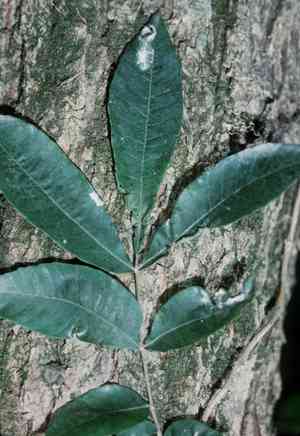
Originating from marshlands, water hickory flourishes in watery habitats and exhibits elongated, narrow foliage. Trimming ought to be performed in late winter or early spring, prior to the emergence of new shoots. Essential methods involve excising deceased or compromised limbs and reducing crowded sections to facilitate light access and air movement, thereby boosting the plant's general well-being and robustness. Pruning not only preserves its form but also wards off ailments by improving air circulation throughout the crown.
What Are the Benefits of Pruning Water Hickory?
What Are the Benefits of Pruning Water Hickory?
Trimming water hickory encourages robust development and maintains its form, improving its structural soundness and visual appeal. Regular cutting aids in size management and prevents congestion, ensuring peak health and vigor.
What Is the Best Time for Pruning Water Hickory?
What Is the Best Time for Pruning Water Hickory?
Pruning water hickory in late winter or early spring is optimal as it coincides with the plant's dormant phase. During this period, water hickory's metabolic activities are reduced, minimizing stress and sap loss when cut. Trimming before the spring growth surge allows water hickory to recover from cuts more effectively, lowering the risk of disease entering through wounds. Additionally, branch structure is clearer without leaves, enabling more precise and strategic cuts. This timing, just before active growth, promotes vigorous regrowth and helps maintain water hickory's health and structure.
What Tools Do I Need to Prune Water Hickory?
Hand Pruners
Essential for removing smaller branches and twigs from water hickory. They offer precise cutting and are suitable for branches up to 1/2 inch in diameter, fostering healthy growth and plant shape.
Lopping Shears
Perfect for cutting medium-sized branches of water hickory, typically up to 1.5 inches in diameter. Their long handles provide leverage for cleaner cuts without stressing the branch.
Pruning Saw
Required for cutting thicker branches, exceeding 1.5 inches in diameter, that hand pruners or lopping shears cannot manage. The saw allows for efficient cutting of larger limbs, vital for controlling water hickory's size and shape.
How to Prune Water Hickory
Identify
Examine water hickory to locate dead or diseased branches, which may appear dry, brittle, or discolored, and show signs of decay or infection.
Prepare
Ready the appropriate tools, such as pruning shears, loppers, or a pruning saw, ensuring they are clean and sharp to make precise cuts and prevent further damage to water hickory.
Cut
Sever the identified dead or diseased branches at their junction with healthy wood. Make the cut just outside the branch collar to encourage proper healing, ensuring no stub is left, as it can be vulnerable to pests and diseases.
Dispose
Remove and properly discard the cut branches. Ensure they are kept away from healthy plants to prevent the spread of any potential diseases.
Inspect
After pruning, check water hickory for balance and structure. Assess for additional maintenance needs, looking for signs of pests or further diseased areas that might have been initially overlooked.
Common Pruning Mistakes with Water Hickory
Overpruning
Removing excessive foliage from water hickory can weaken the tree, making it vulnerable to disease and stress. A frequent error is cutting more than 25-30% of the crown at once, which can hinder the tree's growth and vitality.
Improper cut locations
Cuts made too close to the trunk or main branches can harm the collar (the swollen base of a branch) of water hickory, impeding the tree's natural healing. Conversely, leaving too long a stub can also hinder proper healing and attract pests and decay.
Pruning too early
Beginning pruning before the tree is fully established can inhibit the growth of water hickory. Young plants need time to develop a strong structural foundation before enduring the stress of pruning.
Using dull tools
Employing dull or unclean pruning tools can result in jagged cuts that heal poorly, making water hickory more susceptible to infections and pests.
Common Pruning Tips for Water Hickory
Clean cuts
Ensure cuts are made with sharp, clean tools to promote rapid and healthy healing. Proper cuts should be smooth and not tear the bark of water hickory.
Consider tree structure
Focus on maintaining or enhancing the structural integrity of water hickory. Remove only branches that are dead, damaged, or rubbing against each other, ensuring the tree's natural shape is preserved.
Correct timing understanding
Understanding water hickory's natural growth cycle can help in making informed decisions on when and how to prune, even though specific seasonal timings are not discussed here.
Safety first
When pruning water hickory, prioritizing personal safety and the safety of the surroundings is paramount. Use appropriate safety gear and consider professional assistance for pruning large or high branches.



