How to Prune Bitternut hickory?
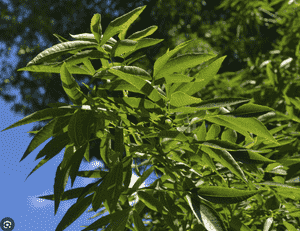
The bitternut hickory, a deciduous tree recognized for its towering height and composite foliage, thrives with judicious trimming. Essential methods involve excising deceased or ailing branches, reducing the canopy's density to enhance light access, and decreasing crowded limbs to preserve its form. The most favorable period for pruning is in late winter or early spring, which helps to lessen sap leakage and stimulate robust development. A crucial point: refrain from making too many cuts to avert strain. Trimming improves both the well-being and the structural soundness of the tree.
What Are the Benefits of Pruning Bitternut Hickory?
What Are the Benefits of Pruning Bitternut Hickory?
Trimming bitternut hickory promotes vigorous development, enhancing air circulation and light penetration, which are crucial for robust health. It also aids in preserving the plant's form, ensuring a balanced and visually appealing shape.
What Is the Best Time for Pruning Bitternut Hickory?
What Is the Best Time for Pruning Bitternut Hickory?
These periods are considered ideal for trimming bitternut hickory due to various factors. Pruning in late winter minimizes sap loss, which can be more significant in bitternut hickory if cut during its active growth phase in spring and summer. Furthermore, performing cuts before the spring growth surge allows the tree to mend wounds with new growth, lowering the chance of disease infection. Trimming in early spring, just prior to the growth cycle, ensures the tree's energy is directed towards healing and new development rather than supporting foliage, which is sparse at this time. This timing also avoids the flowering and fruiting stages, thus not affecting the reproductive cycle of bitternut hickory.
What Tools Do I Need to Prune Bitternut Hickory?
Bypass Pruners
Perfect for making precise cuts on young or small branches of bitternut hickory, bypass pruners create clean cuts that heal quickly.
Loppers
Essential for cutting branches up to 2 inches in diameter, offering improved leverage and reach within the canopy of bitternut hickory.
Pruning Saw
Best for removing larger branches from bitternut hickory, a pruning saw is designed to cut through thicker wood without causing undue harm.
Pole Pruner
Enables safe trimming of higher branches without needing a ladder, effectively managing the height and form of bitternut hickory.
Chainsaw
Recommended for experienced users dealing with the removal of very thick limbs or felling bitternut hickory, especially for mature trees.
Wood Chippers
Suggested for disposing of larger branches after trimming bitternut hickory, converting tree waste into mulch or chips.
How to Prune Bitternut Hickory
Step1: Timing of Pruning
Select the appropriate time for trimming bitternut hickory. Prune during dormancy in late winter to early spring before new growth begins. Avoid extensive pruning in late summer or early fall as this can stimulate new growth that may not harden before winter.
Step2: Sterilization of Pruning Tools
Sanitize pruning tools prior to use. Clean cutting implements with a solution of one part bleach to nine parts water to prevent disease transmission.
Step3: Removal of Dead Wood
Begin by eliminating all dead wood. Carefully inspect bitternut hickory for any lifeless branches, which will feel brittle, appear dry, and lack green under the bark. Use sharp, clean pruning shears or a saw to make cuts just outside the branch collar without harming it.
Step4: Pruning Diseased Limbs
Identify and trim diseased limbs. Look for any branches showing signs of illness, such as discoloration, unusual growths, or a sticky substance. Make cuts well below any affected areas to prevent infection spread. If the entire branch is diseased, prune it back to the trunk.
Step5: Trimming Damaged Branches
Cut back damaged branches that may have been broken by wind, snow, or ice. Trim them to a lateral branch or bud facing the desired direction of new growth. Ensure cuts are clean and angled down and away from the bud. Avoid leaving stubs as these can become entry points for pests and diseases.
Step6: Shaping the Tree
Form the tree to maintain its natural shape. After removing dead, diseased, or damaged wood, step back and assess the tree's overall form. Prune lightly to preserve a symmetrical, natural appearance, cutting back to outward-pointing buds to encourage growth away from the tree's center.
Step7: Thinning the Crown
Reduce the density of the crown if necessary to enhance airflow and light penetration. Remove selected branches throughout the crown to improve the health and vigor of bitternut hickory. Ensure no more than 25% of the crown is removed at once.
Step8: Cleanup of Pruning Debris
Clear away all pruning debris. Remove all cut branches and leaves from around the base of bitternut hickory to lessen the likelihood of disease and pests, and to keep the area tidy.
Step9: Post-Pruning Monitoring
Observe bitternut hickory after trimming. Keep an eye on the tree for any indications of disease or decay, especially at the pruning sites. Applying a tree wound dressing is generally not advised, as bitternut hickory can heal naturally without it.
Post-Pruning Care for Bitternut Hickory
Post-Pruning Care for Bitternut Hickory
Immediately after trimming bitternut hickory, water thoroughly to lessen transplant shock. Ensure bitternut hickory receives ample but indirect light, maintaining moderate humidity and avoiding extreme temperatures. Begin a balanced fertilization regimen early in the growing season to aid recovery and growth. Regularly check bitternut hickory for signs of stress, such as wilting or discoloration, and inspect pruning sites for infection. If symptoms appear, consult a plant pathologist promptly. Implementing these practices will foster bitternut hickory's resilience and vitality.
Common Pruning Mistakes with Bitternut Hickory
Over-Pruning Weakens Plant Defenses
Excessive pruning can stress bitternut hickory, potentially weakening its defenses against pests and diseases.
Dull/Dirt-Contaminated Tools Harm Plants
Using blunt or unclean pruning tools could result in jagged cuts and introduce pathogens to the bitternut hickory.
Incorrect Large Branch Removal Damages Vascular System
Removing large branches without proper technique may cause bark tears, harming the bitternut hickory's vascular system.
Improper Cuts Hinder Natural Healing
Cutting too close to the trunk or leaving a large stub can impede the bitternut hickory's natural healing process.
Disregarding Natural Growth Compromises Structure
Ignoring the tree's inherent shape and growth habit may jeopardize its structural integrity.
Common Pruning Tips for Bitternut Hickory
Clean, Sharp Cuts Foster Effective Healing
Utilize clean, sharp tools to make precise cuts that bitternut hickory can heal more efficiently, reducing disease risk.
Undercut Technique Prevents Bark Tearing
When removing larger branches, first make an undercut outside the branch collar before the final cut to prevent bark tearing.
Adhere to 'One-Third' Canopy Pruning Rule
Follow the 'one-third' rule, generally avoiding the removal of more than a third of the bitternut hickory's canopy in a single season.
Angled Cuts Away From Buds Prevent Decay
Cut at a slight angle away from the bud to promote water runoff and prevent decay in bitternut hickory.
Remove Problematic Branches for Better Airflow
Identify and eliminate dead, diseased, or crossing branches to maintain airflow and reduce pathogen risk in the bitternut hickory.
Preserve Natural Form with Selective Thinning
Maintain the natural shape of the bitternut hickory by selectively thinning out branches, rather than topping or shearing the tree.



