How to Prune Pignut hickory?
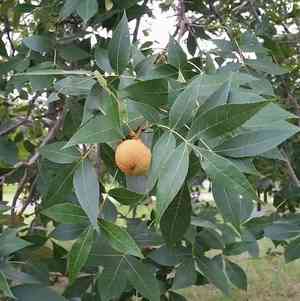
Recognized for its dense timber and palatable nuts, Carya glabra thrives with consistent trimming to preserve its vitality and form. The most effective time for pruning is in late winter or early spring, prior to the emergence of new foliage. Essential methods involve excising deceased or ailing branches, reducing congested limbs, and shortening branches that jeopardize the plant's structural soundness. Trimming Carya glabra improves light exposure and air movement, fostering robust development and a resilient scaffold. Refrain from excessive pruning, guarantee precise cuts, and prioritize sustaining its inherent silhouette.
What Are the Benefits of Pruning Pignut Hickory?
What Are the Benefits of Pruning Pignut Hickory?
Trimming pignut hickory promotes robust development and maintains its structure, crucial for its visual appeal and structural soundness. This practice ensures its prosperity, lessening disease risk and fostering a strong canopy.
What Is the Best Time for Pruning Pignut Hickory?
What Is the Best Time for Pruning Pignut Hickory?
Pruning pignut hickory in late winter to early spring is optimal because the tree is still dormant, leading to less stress and improved wound recovery once growth resumes. Trimming before sap flow begins minimizes the chance of sap bleeding, which can attract pests and diseases. Furthermore, the bare branches during this dormant period offer better visibility for identifying and removing damaged or diseased wood. This timing also prevents cutting off new growth, which carries essential energy and resources for the tree's spring development. Avoid pruning pignut hickory in late spring or summer, as it might disrupt the growth cycle and nut production.
What Tools Do I Need to Prune Pignut Hickory?
Hand Pruners
For young pignut hickory saplings or small branches typically under 1 inch in diameter, hand pruners deliver precise cuts without harming the plant tissues.
Loppers
Loppers are suitable for cutting through thicker pignut hickory branches up to 1.5 to 2 inches in diameter. Their long handles provide sufficient leverage for clean cuts without user strain.
Pruning Saws
For mature pignut hickory with branches exceeding 2 inches in diameter, a pruning saw is indispensable. It enables accurate cuts on larger limbs without tearing bark or causing undue stress to the tree.
Pole Pruner
Hard-to-reach pignut hickory branches can be trimmed with a pole pruner, which offers extended reach for high limbs without needing a ladder, ensuring safety and efficiency.
How to Prune Pignut Hickory
Step1: Timing for Pruning
Determine the ideal time to prune pignut hickory, which is during its dormant period from late winter to early spring, before new growth starts. This timing helps prevent disease and promotes proper wound healing.
Step2: Tool Preparation and Sterilization
Prepare the appropriate tools for pruning pignut hickory, including sharp, clean pruning shears, loppers, and a pruning saw for larger branches. Sterilize tools before use to prevent disease spread.
Step3: Deadwood Removal
Start by removing any dead wood. Cut these branches back to their origin point or the nearest living lateral branch using pruning shears or a saw, depending on branch size. Make cuts just outside the branch collar without damaging it.
Step4: Diseased Limb Pruning
Inspect pignut hickory for any diseased limbs, which may show discoloration, unusual growths, or appear different from healthy sections. Prune these limbs back to healthy wood, ensuring a clean cut that doesn't tear the bark.
Step5: Weak Branch Removal
Identify weak branches that are rubbing against others, growing inward toward the pignut hickory's center, or those with narrow crotch angles prone to splitting under stress. Remove these by cutting back to a strong lateral branch or to the trunk if necessary.
Step6: Three-Cut Method for Large Limbs
When pruning branches, employ the three-cut method for larger limbs: The first cut should be an undercut on the branch, about 6-12 inches from the trunk, to prevent bark tearing. The second cut should remove the branch, made from the top down, a few inches beyond the first cut. The final third cut should cleanly remove the stub by cutting just outside the branch collar.
Step7: Post-Pruning Cleanup
After making pruning cuts, clear the area of any debris. Do not apply sealant to the cuts as pignut hickory's wounds heal better naturally.
Step8: Shaping to Natural Form
Follow pignut hickory's natural shape when trimming for form. Only lightly shape young trees, if needed for clearance or aesthetics, by shortening overextended limbs to a lateral branch or bud facing the desired growth direction.
Step9: Balance and Structure Inspection
Inspect the pruned pignut hickory for balance and structure. Make any additional fine-tuning cuts to ensure remaining branches have adequate space and light for proper growth.
Step10: Tool Cleaning and Storage
Clean and sterilize all tools used for pruning pignut hickory once more to prevent disease spread to other plants. Store tools properly for future use.
Step11: Disposal of Removed Plant Material
Dispose of all removed pignut hickory plant material appropriately, especially diseased limbs, to prevent disease spread in the garden.
Post-Pruning Care for Pignut Hickory
Post-Pruning Care for Pignut Hickory
Immediately after pruning pignut hickory, water the soil to prevent stress and aid healing. Maintain a stable environment, with moderate sunlight and protection from extreme temperatures. A light application of balanced fertilizer will support pignut hickory's recovery, but avoid over-fertilization. Regularly inspect pruned areas for signs of disease or pest infestation. If symptoms like discoloration or rot appear, treat promptly with appropriate fungicides or insecticides. Monitor pignut hickory weekly, ensuring optimal soil moisture and nutrient levels for its health and vigor.
Common Pruning Mistakes with Pignut Hickory
Avoid over-pruning to prevent plant stress and poor health
Excessive pruning, which can stress pignut hickory and lead to poor health or shape.
Do not cut branches flush to trunk; preserve the branch collar
Cutting branches flush with the trunk, which removes the branch collar and impedes the healing process.
Use sharp, clean tools for healthy cuts and disease prevention
Employing dull or unclean tools that can cause jagged cuts and heighten disease risk.
Common Pruning Tips for Pignut Hickory
Make clean, efficient cuts with sharp, sanitized pruning tools
Utilize sharp, clean pruning tools to make precise cuts that pignut hickory can heal from more effectively.
Cut outside the branch collar to boost healing and reduce harm
When removing branches, cut just beyond the branch collar to prevent excessive damage and promote better healing.
Thin crowded branches for better light and air, reducing disease risk
Thin out congested branches to enhance sunlight penetration and air circulation, which can lower disease risk and encourage healthy growth.
Promptly remove dead or diseased branches to maintain plant health
Remove dead, diseased, or damaged branches without delay to maintain pignut hickory's health.
Preserve lower branches to avoid a bare trunk and small canopy
Avoid stripping lower branches if possible, as this can result in a tall, bare trunk with a small canopy.



