How to Prune Pecan?
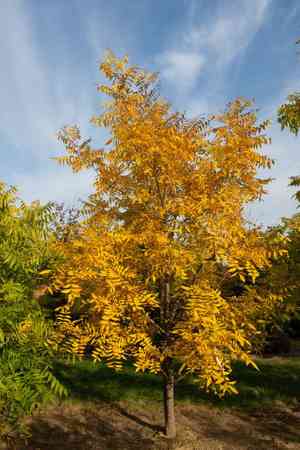
A deciduous tree celebrated for its palatable nuts and prized timber, pecan necessitates consistent trimming. Essential methods involve reducing dense branches, eliminating deceased or ailing limbs, and sculpting the crown for peak nut output. The most suitable period for pruning is late winter to early spring, prior to the emergence of new foliage. Deliberate cuts enhance air movement and light exposure, crucial for well-being and harvest. Meticulous pruning preserves structural soundness and fosters robust development for this variety.
What Are the Benefits of Pruning Pecan?
What Are the Benefits of Pruning Pecan?
Trimming pecan encourages robust development and maintains its form, ensuring peak nut yield while enhancing light penetration and air movement within the crown.
What Is the Best Time for Pruning Pecan?
What Is the Best Time for Pruning Pecan?
Late winter and early spring are considered the ideal periods for pruning pecan due to several factors inherent to the plant's growth cycle. During late winter, the plant is dormant, meaning sap flow is minimal. This lessens the risk of sap bleeding from cuts, which can attract pests and diseases. Pruning at this time also prevents the removal of new growth that would emerge in spring, thus not affecting the current year's nut production. Another advantage of late winter pruning is that leafless branches offer a clearer view of the tree's structure, aiding in more precise cuts. Early spring pruning is also suitable as the plant is just beginning to exit dormancy, but care should be taken not to prune too late into spring to avoid cutting off developing buds that will become the season's foliage and nuts. These seasons ensure better wound healing and a strong recovery as the plant enters its active growth phase.
What Tools Do I Need to Prune Pecan?
Hand Pruners
For slender branches under 1 inch in diameter, hand pruners offer accurate cuts and are simple to use for shaping pecan.
Loppers
Perfect for branches up to 2 inches thick, providing leverage to cut through denser growth without harming pecan.
Pruning Saw
Useful for larger branches exceeding 2 inches in thickness, especially when reshaping the canopy or removing significant limbs from pecan.
Pole Pruners
Enable the removal of higher branches on pecan without needing a ladder, ensuring safety and accuracy from the ground.
Hedge Shears
Not advised, as pecan does not possess the growth type suitable for shearing with hedge shears.
How to Prune Pecan
Clean
Before beginning, sterilize pruning tools to prevent disease spread to pecan. Clean tools with a 1:9 bleach-to-water solution, or use alcohol wipes on blades. Ensure tools are sharp for clean cuts that heal faster and reduce stress on pecan.
Remove Dead Branches
Identify and carefully remove any dead branches from pecan. Dead branches are typically dry, brittle, and lack green growth. Cut these branches back to their origin or to a healthy lateral branch using pruning shears or a saw for thicker branches.
Remove Diseased Branches
Look for branches showing signs of illness, such as unusual growths, discoloration, or oozing. Cut these diseased branches well below the affected areas to ensure all diseased tissue is removed. Disinfect tools between each cut to avoid spreading disease to other parts of pecan.
Thin Crown
Thin the crown of pecan to enhance light penetration and air circulation. Remove some interior branches that are crossing, rubbing together, or growing inward towards the canopy's center. Be selective and remove only a small percentage of the crown to avoid over-pruning.
Maintain Structure
Maintain pecan's overall structure by trimming vigorous branches that compete with the central leader, if pecan is being grown for nut production. Regular trimming will encourage a strong, central structure and may improve nut yield.
Common Pruning Mistakes with Pecan
Over-Pruning
Removing too much growth can stress pecan, diminishing its ability to produce nuts and making it more vulnerable to diseases and pests.
Improper Cuts
Making cuts too close to the trunk or leaving long stubs can lead to bark damage, creating entry points for pests and diseases.
Topping
Cutting off the top of pecan to reduce its height disrupts natural growth and can result in weak new branches unable to support nut production.
Neglecting Sanitation
Failure to clean tools between cuts can spread diseases from infected parts of pecan to healthy areas.
Ignoring Branch Structure
Cutting without considering the branch collar (the swelling at the base of the branch) can hinder the healing process and lead to decay.
Overlooking Deadwood
Failing to regularly remove dead or dying branches can make pecan more susceptible to infestation and disease.
Common Pruning Tips for Pecan
Selective Thinning
Remove only the branches necessary to improve light penetration and air circulation within the canopy of pecan.
Maintain Structure
Aim to create a central leader with evenly spaced main branches to ensure a strong structure and good nut production.
Sterilize Tools
Use a solution of bleach or alcohol to sterilize pruning tools between cuts to prevent the spread of diseases.
Proper Cuts
Make clean cuts at a slight angle about 1/4 inch above an outward-facing bud or branch to encourage outward growth and facilitate healing.
Regular Monitoring
Keep an eye on pecan for broken, damaged, or diseased limbs, and prune them as necessary to maintain the health of the tree.
Balance Pruning
Balance the canopy by pruning more heavily on the more vigorous side of pecan to equalize growth throughout the tree.



