How to Prune Shellbark hickory?
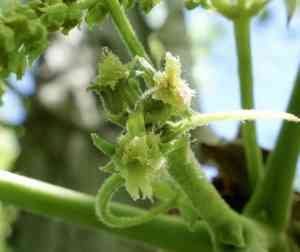
Renowned for its rough bark and unkempt look, shellbark hickory flourishes with careful trimming to uphold its structural soundness and encourage robust development. Trimming ought to occur in late winter or early spring prior to the commencement of sap flow, to lessen strain and prevent sap leakage. While pruning, concentrate on excising deceased or ailing limbs, reducing dense sections to boost air movement, and retaining its inherent shape. Prompt trimming boosts fruit yield and the general well-being of shellbark hickory.
What Are the Benefits of Pruning Shellbark Hickory?
What Are the Benefits of Pruning Shellbark Hickory?
Trimming shellbark hickory encourages robust development and helps maintain its desired form. Regular cutting eliminates crowded limbs, improving air flow and light exposure, vital for the tree's overall health and yield.
What Is the Best Time for Pruning Shellbark Hickory?
What Is the Best Time for Pruning Shellbark Hickory?
Pruning shellbark hickory from late winter to early spring is advisable as this period aligns with the plant's dormant phase. Before new growth starts, the tree's sap isn't actively flowing, which minimizes sap loss and stress on shellbark hickory. This timing also aids in quick wound healing with the arrival of spring growth, lowering infection risk and fostering stronger, healthier development. Furthermore, the absence of leaves during this time enhances visibility for making strategic cuts that benefit the tree's structure. Avoiding pruning in late spring or summer helps prevent disruption of shellbark hickory's natural flowering and fruiting cycles.
What Tools Do I Need to Prune Shellbark Hickory?
Hand Pruners (Bypass Pruners)
Perfect for making precise cuts on smaller branches of shellbark hickory, crucial for encouraging healthy growth and removing damaged or diseased limbs.
Loppers
Suitable for larger branches (up to 2 inches in diameter) where additional leverage and reach are needed to trim thicker branches of shellbark hickory.
Pruning Saw
Essential for the largest branches of shellbark hickory that hand pruners and loppers cannot manage. The saw enables cutting through thick branches and is vital for controlling the tree's size and shape.
Pole Pruner
Useful for reaching elevated branches without needing a ladder. This tool combines a saw and a lopper on an extendable pole, providing safe access to prune higher limbs of shellbark hickory.
How to Prune Shellbark Hickory
Identification
Locate dead or diseased branches on shellbark hickory. Look for branches lacking leaves, showing discoloration, or exhibiting signs of fungal growth. These branches typically appear dry and brittle compared to healthy, green, and flexible ones.
Sanitation
Utilize sterilized cutting tools to prevent disease transmission. Clean pruning shears, loppers, or saws with a solution of 1 part bleach to 9 parts water, or use isopropyl alcohol to wipe the tools before and after use.
Cutting technique
Cut the identified branches using the appropriate tool. For slender branches, use pruning shears, and for thick branches, a saw may be necessary. Make cuts near the branch's base but outside the branch collar (the swollen area where the branch meets the trunk) to promote proper healing.
Dispose
Properly discard removed branches to prevent the potential spread of any existing disease. Do not compost diseased material as this may not eliminate pathogens and could infect other parts of shellbark hickory or other plants.
Monitoring
After pruning shellbark hickory, regularly observe the tree for signs of stress or further disease. Check the condition of new growth and remaining branches to assess the tree's health and the need for additional pruning or treatments.
Common Pruning Mistakes with Shellbark Hickory
Overpruning
Removing excessive foliage from shellbark hickory can stress the tree, impeding its growth and weakening its structure.
Improper cuts
Incorrect cutting methods can result in jagged wounds that expose shellbark hickory to pathogens and pests, risking decay and disease.
Neglecting tool hygiene
Using dirty or unsterilized pruning tools can introduce diseases to shellbark hickory, which is particularly vulnerable to fungal infections.
Common Pruning Tips for Shellbark Hickory
Judicious thinning
Remove only essential branches to enhance air circulation and light penetration, which fosters healthier growth in shellbark hickory. Focus on dead or weak limbs, and always prune back to a main limb or bud.
Clean cuts
Ensure cuts are clean and angled away from the bud to allow water to drain, minimizing the risk of disease in shellbark hickory.
Tool care
Regularly clean and sharpen pruning tools to ensure efficient cuts and reduce the likelihood of disease transmission in shellbark hickory.



