How to Prune Burmese fishtail palm?
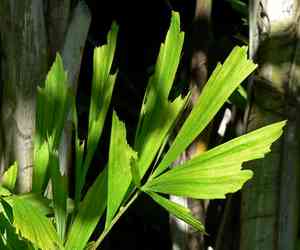
This palm species is recognized for its unique bi-pinnate foliage, which bears a resemblance to fishtails. Trim burmese fishtail palm to eliminate discolored or compromised fronds, severing them near the main stem to preserve visual appeal and plant well-being. The ideal period for trimming is in early spring or late winter, prior to the emergence of new shoots. When performing cuts, keep them minimal to avert potential infections. Consistent upkeep improves the palm's look, fosters robust development, and extends its longevity. Always sanitize your cutting implements to stop the dissemination of pathogens.
What Are the Benefits of Pruning Burmese Fishtail Palm?
What Are the Benefits of Pruning Burmese Fishtail Palm?
Trimming burmese fishtail palm promotes robust development and maintains its desired form. Regular removal of dead fronds encourages a more vital plant, better equipped to resist pests and illnesses.
What Is the Best Time for Pruning Burmese Fishtail Palm?
What Is the Best Time for Pruning Burmese Fishtail Palm?
Pruning burmese fishtail palm in late winter and early spring is optimal as the plant remains dormant. During this period, the plant's sap flow is slow, resulting in less bleeding from cut areas, which lowers the risk of stress and infection. Furthermore, pruning before the growth season begins allows gardeners to shape burmese fishtail palm and eliminate any frost-damaged fronds without affecting new growth. Since burmese fishtail palm lacks a distinct flowering or fruiting phase that pruning could impact, prioritizing the plant's health and growth cycle is crucial.
What Tools Do I Need to Prune Burmese Fishtail Palm?
Sharp Bypass Pruners
Recommended for making precise cuts on burmese fishtail palm's smaller stems and foliage due to their ability to produce clean and healthy cuts, which is important for preventing damage that can lead to disease.
Long-Handled Loppers
Essential for reaching higher branches and making cuts on branches that are too thick for bypass pruners. Loppers minimize the need for climbing and help in maintaining the safety of the gardener by providing better reach.
Pole Saw
Useful for trimming higher and thicker branches of burmese fishtail palm that cannot be safely reached with a ladder or that are too thick for loppers. This tool can extend to various lengths, making it easier to prune without jeopardizing the gardener's safety.
Pruning Saw
Suitable for cutting thicker branches that bypass pruners and loppers cannot handle. The saw's teeth and design allow for cutting through dense wood without causing unnecessary stress on the plant.
How to Prune Burmese Fishtail Palm
Select Equipment
Choose clean and sharp pruning shears or a saw. Sterilize the tools before use to prevent the spread of disease to burmese fishtail palm.
Identify Diseased Withered Leaves
Closely inspect burmese fishtail palm for diseased or withered leaves. Look for discolored, spotted, or wilted fronds.
Prune Diseased Withered Leaves
Carefully remove diseased or withered leaves by cutting at the base where the frond stem meets the trunk. Do not pull on the leaves, as this can damage burmese fishtail palm's trunk.
Clean Cut Site
After removing the leaves, clean the cut site with a solution to prevent infection. Use a fungicide or horticultural soap recommended for palm trees.
Dispose
Properly dispose of all trimmed parts off-site to prevent the potential spread of disease to other plants in your garden.
Common Pruning Mistakes with Burmese Fishtail Palm
Over-Pruning
Stripping too many fronds, particularly green ones, can stress burmese fishtail palm and hinder its ability to photosynthesize effectively.
Improper Tool Use
Using dull or dirty cutting tools can damage the fronds of burmese fishtail palm and introduce diseases.
Cutting Too Close
Snipping fronds too close to the trunk may result in wounds that are difficult for burmese fishtail palm to heal, potentially leading to infections.
Neglecting Health Check
Failing to inspect burmese fishtail palm for pests and diseases before pruning can lead to the inadvertent spread of these afflictions to healthy areas.
Ignoring Frond Position
Removing the wrong fronds or doing so randomly, without considering the natural growth pattern of burmese fishtail palm, may lead to unsightly growth and plant stress.
Common Pruning Tips for Burmese Fishtail Palm
Selective Pruning
Prune only the fronds that are dead, damaged, or diseased to preserve the health of burmese fishtail palm and maintain its lush appearance.
Clean Cuts
Make clean, sharp cuts with sterilized pruning tools to prevent damage and diseases in burmese fishtail palm.
Angled Cuts
Cut fronds of burmese fishtail palm at a slight angle to allow water runoff and reduce the risk of rot or fungal infections.
Frond Disposal
Properly dispose of the removed fronds of burmese fishtail palm to prevent any pests or diseases from spreading in the garden.
Post-Pruning Care
After pruning burmese fishtail palm, ensure the plant is well-watered and fertilized to help it recover from the pruning process.



