How to Prune Yellow oleander?
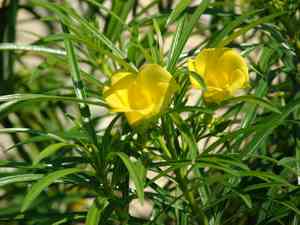
Yellow oleander, known for its vivid blossoms and dense form, necessitates meticulous trimming to preserve its structure and stimulate blooming. Eliminate any deceased or ailing wood and thin out congested branches to foster proper air movement. Conduct pruning in early spring or winter while the plant is dormant for the best growth outcomes. Exercise caution, as every component of yellow oleander is poisonous. Pruning improves the overall well-being and flower yield of this particular plant.
What Are the Benefits of Pruning Yellow Oleander?
What Are the Benefits of Pruning Yellow Oleander?
Trimming yellow oleander promotes abundant blooms and strong vitality by eliminating dead or diseased limbs, which can deter pests and illnesses. Strategic cuts also maintain the plant's form and encourage vigorous new growth.
What Is the Best Time for Pruning Yellow Oleander?
What Is the Best Time for Pruning Yellow Oleander?
In early spring, yellow oleander is just starting its active growth phase after its winter dormancy. Pruning at this time encourages strong growth and helps the plant focus energy on producing new, healthy shoots. Additionally, any frost damage from winter can be removed, ensuring healthier plant development. Winter pruning is also beneficial as the plant is dormant. This timing reduces plant stress and minimizes disease or pest risk, as cuts heal before the warm growing season. These seasons avoid disrupting the plant's flowering cycle, which typically occurs in warmer months, thus preserving yellow oleander's ornamental value.
What Tools Do I Need to Prune Yellow Oleander?
Hand Pruners
Perfect for making precise cuts on smaller stems and branches of yellow oleander, aiding in plant health and shape maintenance.
Loppers
Useful for severing thicker branches, typically up to 2 inches in diameter, that hand pruners cannot manage.
Pruning Saw
Essential for removing larger branches that loppers cannot cut, allowing for accurate control over shaping yellow oleander.
Gloves
Protects hands from the toxic sap of yellow oleander, while also providing a better grip on the pruning tools.
Safety Glasses
Shields eyes from sap splatters and debris when pruning yellow oleander, ensuring a safer pruning process.
How to Prune Yellow Oleander
Step1: Schedule Pruning in Dormant Season
Plan the trimming of yellow oleander during its inactive period, ideally in late winter or early spring before new growth emerges. This timing lessens plant stress and prevents sap loss that can attract insects.
Step2: Safety Gear for Toxic Plant Handling
Wear gloves and protective clothing as all parts of yellow oleander are toxic and sap may irritate skin. Ensure tools are clean and sharp for precise cuts and to reduce disease risk.
Step3: Remove Dead Branches at Base
Identify lifeless branches by their dry, brittle texture and lack of green when cut. Prune these branches at their origin, just above the collar (the swollen area near the trunk), to promote proper healing without leaving stubs.
Step4: Excise Diseased Limbs to Healthy Tissue
Inspect for ailing branches, which may show unusual marks, discoloration, or growths. Cut these branches well below affected areas, into healthy tissue, and dispose of them safely to prevent disease spread.
Step5: Thin Canopy for Light and Air Flow
Thin out excessive growth to improve light penetration and air circulation within yellow oleander's canopy. Selectively remove some of the denser branches, cutting them at their point of origin or back to a lateral branch that is at least one-third the diameter of the branch being removed.
Step6: Shape Plant and Direct New Growth
Shape yellow oleander by shortening overly long branches to maintain the desired form and size. Make cuts just above a viable outward-facing bud or lateral branch to direct new growth outwards.
Step7: Clean Up and Sterilize Tools
After pruning, clear away all debris from around yellow oleander to reduce the risk of pests and disease. Sterilize your pruning tools with a diluted bleach solution or alcohol to prevent the spread of any pathogens.
Step8: Water and Fertilize Post-Pruning
Water yellow oleander deeply and consider applying a balanced, slow-release fertilizer to support recovery and new growth after pruning. Monitor the plant for signs of stress and provide the necessary care.
Post-Pruning Care for Yellow Oleander
Post-Pruning Care for Yellow Oleander
Immediately after trimming yellow oleander, ensure clean cuts to promote rapid healing. Position yellow oleander in a location with filtered light to reduce stress. Maintain moderate humidity and ambient temperatures between 20-25°C. Apply a balanced, slow-release fertilizer to support new growth while avoiding nitrogen-rich formulas that cause excessive foliage at the expense of flowers. Regularly check the pruning sites for signs of disease or pest infestation. If stress or infection is evident, treat promptly with appropriate fungicides or insecticides.
Common Pruning Mistakes with Yellow Oleander
Avoid Over-Pruning for Plant Health
Excessive pruning can stress yellow oleander, negatively impacting its health and bloom production. Removing too much foliage at once should be avoided.
Use Sharp, Sterile Pruning Tools
Using dull or unclean pruning tools can cause rough cuts and introduce diseases to yellow oleander. It's important to use sharp, sterile equipment.
Remove Damaged or Diseased Branches Promptly
Neglecting to remove damaged or diseased branches can lead to further deterioration of yellow oleander's health, as pests and diseases can spread more easily.
Do Not Cut Too Close to Trunk or Main Stems
Cutting too close to the trunk or main stems can damage yellow oleander's natural protective barriers, increasing susceptibility to infections.
Common Pruning Tips for Yellow Oleander
Target Old or Dead Branches First
Identify old or dead branches specifically for removal, as this will direct yellow oleander's energy into producing new, healthy growth.
Make Clean, Angled Cuts Above Nodes
Make clean cuts at a 45-degree angle, about a quarter inch above a node or swelling on the branch of yellow oleander to promote proper healing and new growth.
Sterilize Cutting Tools to Avoid Disease Spread
Sterilize your cutting tools with rubbing alcohol or a 10% bleach solution before and after pruning yellow oleander to prevent the spread of pathogens.
Thin Center for Sunlight and Air Circulation
Thin out the center of yellow oleander to allow sunlight and air to penetrate the canopy. This helps reduce the risk of fungal diseases and encourages even growth.



