How to Prune American chestnut?
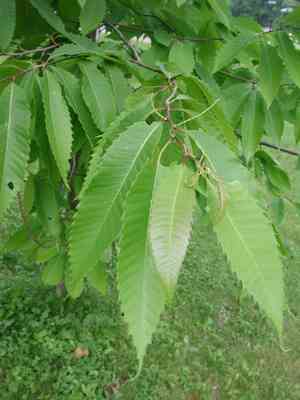
Renowned for its impressive height and expansive crown, american chestnut greatly benefits from trimming. Essential methods involve eliminating deceased or ailing wood, reducing dense branches to enhance airflow, and shaping the tree through cuts. The most effective time for pruning is from late winter to early spring, avoiding periods of vigorous growth to lessen sap leakage and vulnerability to illness. Consistent pruning boosts american chestnut's vitality and nut yield, simultaneously aiding in the management of blight susceptibility.
What Are the Benefits of Pruning American Chestnut?
What Are the Benefits of Pruning American Chestnut?
Trimming american chestnut is vital for encouraging strong development and maintaining a defined shape. It helps establish a robust framework capable of supporting future yields while also improving the plant's overall vitality and visual appeal.
What Is the Best Time for Pruning American Chestnut?
What Is the Best Time for Pruning American Chestnut?
Trimming american chestnut in late winter or early spring is beneficial because it allows for the removal of any damaged or diseased wood before the plant expends energy on new growth. This timing also minimizes the risk of frost damage to fresh cuts and reduces the likelihood of infection from pests and diseases that are less active during colder periods. Furthermore, pruning before the plant enters its active growth phase helps ensure that wounds heal quickly, and the plant's resources are directed towards developing a healthy structure and the upcoming vegetative growth. The plant's growth cycle typically involves a dormant period in winter followed by vigorous growth in spring, so pruning within this window aligns with the natural cycle of american chestnut, potentially enhancing flowering and fruiting in the subsequent season.
What Tools Do I Need to Prune American Chestnut?
Hand Pruners
Excellent for making precise cuts on american chestnut's thinner branches and shoots. Perfect for promoting healthy growth by eliminating dead or diseased wood.
Loppers
Suitable for cutting branches typically up to 1.5 inches in diameter on american chestnut, providing extended reach and increased leverage for thicker branches.
Pruning Saw
Essential for cutting through american chestnut's branches larger than 1.5 inches in diameter, where hand pruners and loppers are insufficient.
Pole Pruner
Enables safe trimming of higher branches on american chestnut without using a ladder, thereby preventing potential mishaps.
Chainsaw
Reserved for removing very large limbs or for felling american chestnut; should only be operated by those experienced with such equipment for safety reasons.
How to Prune American Chestnut
Step1: Tool Sanitization
Clean your pruning tools using a solution of 1 part bleach to 9 parts water to prevent the spread of disease to american chestnut.
Step2: Disease Inspection
Examine american chestnut for any signs of disease in limbs, noting discolorations, cankers, or oozing spots. Diseased limbs should be prioritized for removal.
Step3: Diseased Limbs Removal
Trim diseased limbs by making cuts at least 6 inches into healthy wood beyond the point of visible infection to ensure all diseased tissue is eliminated.
Step4: Deadwood Identification
Identify deadwood by looking for limbs that lack green, flexible growth and buds. Deadwood will often be brittle with a darker, sometimes decayed, appearance.
Step5: Deadwood Removal
Remove deadwood by cutting at its origin point or at a healthy lateral branch. Make cuts just outside the branch collar to encourage proper healing.
Step6: Sucker Detection
Look for suckers, which are vigorous vertical shoots growing from the roots or lower trunk. These can drain energy from american chestnut if left unchecked.
Step7: Sucker Removal
Cut suckers off at their base where they emerge from the ground or trunk. Avoid leaving stubs as this can encourage more sucker growth.
Step8: Canopy Thinning
Thin the canopy, if necessary, to promote light penetration and air circulation which helps maintain the health of american chestnut. Remove only a small percentage of the canopy - typically no more than 25% in a year.
Step9: Debris Disposal
After completing the trimming process, dispose of diseased limbs and foliage by burning or bagging them to reduce the potential for any disease to spread.
Step10: Post-Pruning Monitoring
Monitor american chestnut for several weeks after trimming to ensure it has responded well to the process, checking for excessive sucker growth or other signs of stress.
Post-Pruning Care for American Chestnut
Post-Pruning Care for American Chestnut
Immediately after trimming american chestnut, ensure cuts are clean to aid healing. Adjust environmental conditions, providing partial shade to protect from intense sunlight, and maintain stable humidity and temperature. Apply a balanced, slow-release fertilizer to support regrowth, avoiding excess nitrogen. Monitor regularly for signs of distress, like wilting or discoloration, and check for infections at prune sites. If symptoms are detected, promptly apply appropriate fungicides or bactericides and consult a specialist.
Common Pruning Mistakes with American Chestnut
Over-Pruning Stress and Disease Risk
Trimming too aggressively, which can stress american chestnut and make it vulnerable to diseases or pests.
Improper Cutting Harmful to Healing
Cutting into the branch collar or leaving a stub, which can impede the tree's natural healing process.
Jagged Cuts from Dull Tools Risk Pathogens
Using dull or dirty trimming tools, which can cause jagged cuts and introduce pathogens to american chestnut.
Unplanned Pruning Causes Imbalance and Health Issues
Trimming without a clear strategy, leading to an unbalanced tree structure and potential long-term health issues for american chestnut.
Excessive Canopy Removal Hinders Photosynthesis
Removing too much of the canopy at once, which can reduce the tree's ability to photosynthesize and store energy.
Common Pruning Tips for American Chestnut
Sterilize Tools to Prevent Disease Spread
Sanitize all trimming tools before use to prevent the spread of disease to american chestnut.
Clean Cuts Above Buds for Proper Healing
Make clean, angled cuts just above a bud or branch to encourage proper healing and new growth.
Remove Dead Branches for Airflow and Structure
Identify and remove any dead, diseased, or crossing branches to maintain airflow and structural integrity of american chestnut.
Prune to Maintain Natural Shape for Stability
Aim to preserve the natural shape of american chestnut while trimming, which provides structural stability and aesthetic appeal.
Adjust Pruning Intensity to Plant Health
Be mindful of the overall health and vigor of american chestnut, adjusting the intensity of trimming accordingly.



