How to Prune Dwarf Chestnut?
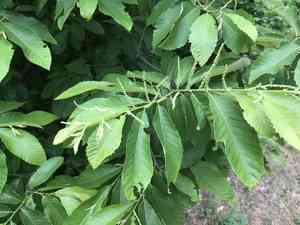
Originating from North America, this compact, leaf-shedding tree or bush is recognized for its palatable nuts and appealing leaves. To ensure peak well-being and form, trim dwarf Chestnut in the latter part of winter or early spring prior to the emergence of new shoots. Eliminate any lifeless, ailing, or intersecting branches to facilitate air movement and preserve its shape. Reducing the density of the crown enhances light penetration, fostering a robust structure and improved nut yield. Performing pruning while the plant is dormant reduces the outflow of sap and the spread of diseases, which is crucial for the vigor of dwarf Chestnut.
Advantages of Trimming Dwarf Chestnut
Advantages of Trimming Dwarf Chestnut
Trimming dwarf Chestnut promotes robust development by eliminating dead or diseased wood, enhancing air circulation, and decreasing the likelihood of pest infestations. It assists in preserving the desired form and dimensions, ensuring an attractive and thriving plant.
Optimal Time for Trimming Dwarf Chestnut
Optimal Time for Trimming Dwarf Chestnut
Trimming dwarf Chestnut in late winter or early spring is ideal since the plant is still dormant, minimizing sap loss. This timing reduces disease risk and allows gardeners to shape dwarf Chestnut before new growth starts. Furthermore, removing dead or damaged wood at this time boosts dwarf Chestnut's overall health and vigor, encourages stronger branching, and improves nut production in the subsequent season. It also allows wounds to heal before the growing season, lessening stress on dwarf Chestnut. Pruning after flowering or fruiting can remove potential nuts and decrease the year's yield, so early season pruning perfectly aligns with dwarf Chestnut's growth cycle.
Necessary Tools for Trimming Dwarf Chestnut
Hand Pruners
Perfect for cutting small branches (up to 3/4 inch) and excellent for shaping dwarf Chestnut.
Loppers
Suitable for medium-sized branches (up to 1 1/2 inches) to manage dwarf Chestnut's larger stems with greater leverage.
Pruning Saw
Essential for branches thicker than 1 1/2 inches that hand pruners and loppers cannot handle, ensuring clean cuts on dwarf Chestnut.
Hedge Shears
Useful for shaping dwarf Chestnut into hedges or formal designs by making straight, parallel cuts on new growth.
How to Trim Dwarf Chestnut
Sanitize Tools
Before beginning, sterilize all trimming tools to prevent disease spread. A solution of one part bleach to nine parts water is effective for disinfection.
Examine
Inspect dwarf Chestnut for any indications of dead or diseased branches. These often appear discolored, brittle, or show visible signs of fungal infection or pest damage.
Remove Dead Branches
Carefully remove dead branches by cutting just outside the branch collar. Avoid cutting too close to the trunk to prevent damage to the collar, which is vital for proper healing.
Remove Diseased Branches
Cut off diseased branches well below the affected area to ensure complete removal of the disease. Dispose of diseased material away from healthy plants to prevent contamination.
Clean Up
After trimming, clear all debris from around dwarf Chestnut. Dispose of or destroy the trimmings, especially if diseased, to minimize the risk of infection spreading.
Common Trimming Errors with Dwarf Chestnut
Excessive Pruning
Removing too much foliage at once can stress dwarf Chestnut, leading to stunted growth or reduced vitality. It's crucial to trim only what is necessary for shaping and health.
Incorrect Cuts
Improper cutting techniques can harm dwarf Chestnut's branches and invite disease. Always make clean cuts at a 45-degree angle, just above a bud or branch.
Neglecting Tool Cleanliness
Not sterilizing trimming tools between uses can spread pathogens to dwarf Chestnut, potentially causing infection or disease.
Ignoring Deadwood
Failing to remove dead or diseased wood can impair dwarf Chestnut's health, as these can harbor pests and diseases that might spread to healthy parts.
Pruning Solely for Shape
While shaping is important, it is crucial to consider dwarf Chestnut's health and growth pattern. Trimming should maintain or improve the plant's natural form.
General Trimming Advice for Dwarf Chestnut
Selective Thinning
Remove specific branches to improve light penetration and air circulation within dwarf Chestnut's canopy, which encourages healthy growth and blooming.
Promoting New Growth
Trim just above a bud facing outward from dwarf Chestnut to direct new growth externally and maintain an open, appealing shape.
Post-Flowering Care
Trim spent flowers to encourage a second bloom and prevent dwarf Chestnut from expending energy on seed production unless seed collection is desired.
Maintaining Balance
Strive to create and maintain a balanced framework of branches, which supports dwarf Chestnut's structural integrity and overall aesthetics.
Tool Maintenance
Keep trimming tools sharp and clean to ensure precise cuts that heal quickly and minimize stress to dwarf Chestnut.



