How to Prune Chinese catalpa?
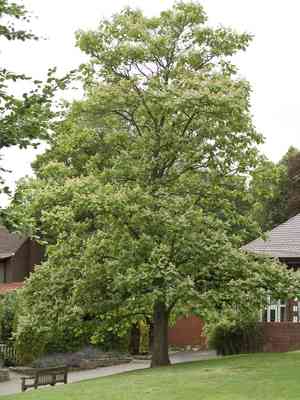
Distinguished by its expansive foliage and vibrant blossoms, the Chinese catalpa flourishes under appropriate cultivation. Perform pruning in late winter or early spring, concentrating on excising deceased or frail limbs to foster robust development and air circulation. Cut back to a sturdy side branch or bud, and sculpt as required. Trimming improves the tree's silhouette and vitality, stimulating an abundant exhibition of flowers. Sequential cuts aid in averting stress, preserving the plant's structural soundness.
What Are the Benefits of Pruning Chinese Catalpa?
What Are the Benefits of Pruning Chinese Catalpa?
Trimming chinese catalpa encourages robust development and helps maintain its desired form, ensuring a compact and visually appealing look. These practices contribute to the plant's overall health and vigor.
What Is the Best Time for Pruning Chinese Catalpa?
What Is the Best Time for Pruning Chinese Catalpa?
Late winter and early spring are considered optimal times for pruning chinese catalpa because the plant remains dormant before its spring growth surge. Pruning in late winter allows for the removal of dead or diseased wood without the risk of sap loss that can stress the plant. It also aids in shaping the tree before it allocates energy to new growth. Early spring pruning, just prior to growth initiation, ensures rapid wound healing and minimizes exposure of fresh cuts to harsh winter conditions. Furthermore, timing the pruning before chinese catalpa produces new leaves offers better visibility of the plant's structure. This ensures cuts are made accurately, supporting the plant's health and aesthetics. It is crucial to avoid pruning during the active growth period, especially once flowering and fruiting begin, as this can diminish the plant's vitality and yield.
What Tools Do I Need to Prune Chinese Catalpa?
Hand Pruners
For smaller branches and precise cuts on chinese catalpa, hand pruners, also known as secateurs, are indispensable. They enable clean cuts without harming the bark or adjacent branches.
Lopping Shears
Chinese catalpa can develop thicker branches as it matures. Lopping shears, with their extended handles and increased leverage, are ideal for branches too thick for hand pruners but still under 1.5 to 2 inches in diameter.
Pruning Saw
For the largest branches of chinese catalpa, a pruning saw provides the necessary blade length and tooth configuration. This tool allows for cutting through thick branches without causing undue strain to the plant or the gardener.
Pole Pruner
If chinese catalpa has grown tall and has high branches that require trimming, pole pruners offer the reach and cutting power needed without using a ladder, significantly enhancing safety.
Hedge Shears
For shaping the canopy or hedge of chinese catalpa, hedge shears can provide a neat, even cut across softer growth. They are perfect for maintaining a desired shape and controlling the plant's size.
How to Prune Chinese Catalpa
Select tools
Choose clean, sharp tools such as pruners, loppers, or a saw to ensure precise cuts and prevent damage to chinese catalpa.
Sanitize tools
Before beginning, sanitize pruning tools with a solution of 1 part bleach to 9 parts water to prevent disease transmission.
Remove dead branches
Carefully remove any dead branches by making a clean cut where the dead tissue meets healthy wood, being careful not to cut into living tissue.
Eliminate diseased branches
Identify and trim diseased branches well below the affected area to ensure all diseased tissue is removed. Dispose of them properly to prevent contamination.
Clean up
After pruning, clean up and dispose of all debris to prevent any diseases from spreading in the garden.
Common Pruning Mistakes with Chinese Catalpa
Over-pruning
Removing too much of the chinese catalpa's foliage or branches can shock the plant, reduce its vigor, and impede its growth.
Improper cutting angles
Incorrect cutting angles might create larger wounds that heal slowly, increasing susceptibility to disease and pests.
Pruning healthy wood
Unnecessarily cutting healthy branches can limit the chinese catalpa's potential for growth and flowering.
Tear cuts
Inadequate use of tools or technique can lead to bark tearing, damaging the chinese catalpa and inviting infections or decay.
Ignoring diseased or damaged branches
Failing to remove unhealthy limbs can lead to the spread of disease or pests throughout chinese catalpa.
Disregarding branch collar
Cutting into the branch collar instead of just outside it can prevent chinese catalpa from healing properly.
Overlook natural shape
Not considering the chinese catalpa's natural growth pattern during pruning may result in an unbalanced or unnatural appearance.
Common Pruning Tips for Chinese Catalpa
Sharp tools
Using clean, sharp pruning shears or loppers will ensure clean cuts, helping chinese catalpa to heal quickly and preventing damage.
3D rule
Adhere to the 3D's by removing dead, diseased, or damaged branches first, as this is vital for the chinese catalpa's health.
Prune for structure
Focus on maintaining a strong branch structure and open canopy for chinese catalpa to enhance light penetration and air circulation.
Angle cuts correctly
Make cuts at a 45-degree angle away from the bud to promote proper healing and prevent water from collecting on the cut surface.
Gradual reduction
If extensive pruning is necessary, perform it gradually over several seasons to avoid shocking chinese catalpa.
Clean between cuts
Disinfect pruning tools between cuts to prevent the spread of disease in chinese catalpa.
Correct timing
Although specific seasonal advice is excluded, ensure pruning is done with respect to the plant's growth cycle.
Know growth habits
Understand where chinese catalpa sets its flowers â on new or old wood â to avoid inadvertently removing flower buds during pruning.



