How to Prune Madagascar periwinkle?
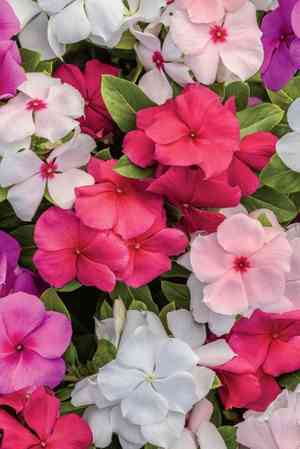
Celebrated for its lustrous green leaves and vivid blossoms, Catharanthus roseus flourishes with consistent trimming. Periodically nip off the ends to promote a denser growth habit. After flowering, cut back one-third of the stems to stimulate renewed vigor. This practice is beneficial throughout the year, though most effective following the blooming period. Trimming boosts immunity to diseases and improves air circulation, thereby elevating general well-being and the caliber of blooms. Always employ disinfected implements to avert pathogen transmission.
What Are the Benefits of Pruning Madagascar Periwinkle?
What Are the Benefits of Pruning Madagascar Periwinkle?
Trimming madagascar periwinkle promotes abundant flowering, boosts vitality, and maintains a compact, pleasing form. Regular cutting can lead to a stronger plant with increased resistance to pests and diseases, ensuring a beautiful and thriving specimen.
What Is the Best Time for Pruning Madagascar Periwinkle?
What Is the Best Time for Pruning Madagascar Periwinkle?
Pruning madagascar periwinkle in spring leverages the plant's natural growth cycle as it awakens from dormancy and its energy reserves are highest, stimulating vigorous growth and recovery after trimming. Summer pruning aligns well with madagascar periwinkle's active growth phase, encouraging denser growth and enhancing blooming potential. While madagascar periwinkle tolerates pruning year-round, trimming during these seasons is beneficial as it prepares the plant for optimal health and flowering, without compromising its resilience or prolific blooming capacity.
What Tools Do I Need to Prune Madagascar Periwinkle?
Bypass Pruners
Perfect for making clean, healthy cuts on madagascar periwinkle's soft stems without crushing plant tissue.
Gloves
Shield the gardener's hands from madagascar periwinkle's sap and ensure a secure grip on pruning tools.
Pruning Shears
Suitable for shaping madagascar periwinkle and removing spent blooms to encourage more flowers.
Disinfectant
Crucial for sanitizing pruning tools before and after use to prevent the spread of diseases in madagascar periwinkle.
How to Prune Madagascar Periwinkle
Step1: Inspect Plant for Dead or Diseased Growth
Examine madagascar periwinkle thoroughly to identify dead flowers, diseased branches, and areas of old growth. Look for blooms that have faded or browned and branches showing signs of discoloration, abnormal growth, or damage.
Step2: Sterilize Pruning Tools
Sanitize your pruning shears with rubbing alcohol or a 10% bleach solution to prevent the spread of any diseases during pruning. Allow the tool to air dry.
Step3: Remove Dead Flowers at Stem
Begin with dead flowers. Using your sterilized shears, snip the flower stem just above the first set of leaves below the dead flower. This will encourage new flowers to develop and maintain a neat appearance.
Step4: Prune Diseased Branches at Healthy Tissue
Proceed to diseased branches. Carefully remove any branches that exhibit signs of disease, cutting the branch back to healthy tissue. Make the cut at a 45-degree angle to allow water to run off and prevent disease.
Step5: Identify and Cut Back Old Growth
Pinpoint old growth that may be hindering new growth or flowering. Target leggy stems or areas where the foliage is sparse.
Step6: Encourage Bushy Growth by Pruning at Nodes
Prune old growth by cutting back stems to a node where new leaves or branches are beginning to emerge. This will promote more bushy growth and revitalize the appearance of madagascar periwinkle.
Step7: Shape Plant for Aesthetics and Health
Shape the overall plant for aesthetics and health. Trim uneven or overly long stems to maintain a balanced, attractive form, while enhancing air circulation and light penetration throughout madagascar periwinkle.
Step8: Dispose of Pruned Material
Clear away all pruned material from around the base of madagascar periwinkle to prevent any potential fungal or pest issues, and to keep the area tidy.
Step9: Water Plant Post-Pruning If Needed
Water the plant lightly after pruning, if the soil is dry, to help madagascar periwinkle recover from the stress of pruning. Be careful not to overwater, as madagascar periwinkle prefers drier conditions.
Step10: Monitor Plant for New Growth Post-Pruning
Observe the plant over the subsequent weeks for any indications of new growth or additional pruning requirements. Repeat the pruning process as necessary based on the growth pattern and health of madagascar periwinkle.
Post-Pruning Care for Madagascar Periwinkle
Post-Pruning Care for Madagascar Periwinkle
Immediately after pruning madagascar periwinkle, ensure clean cuts to prevent disease. Place madagascar periwinkle in bright, indirect light, maintain moderate humidity, and avoid temperature extremes to reduce stress. Fertilize with a balanced, diluted solution to support new growth. Regularly inspect pruned areas for infection, indicated by discoloration or oozing. If signs appear, treat promptly with fungicides or pest control measures. Monitor water needs closely as madagascar periwinkle's hydration requirements may shift post-pruning.
Common Pruning Mistakes with Madagascar Periwinkle
Overly Aggressive Pruning Reduces Blooming
Cutting back too severely can harm madagascar periwinkle and diminish its flowering potential. Opt for modest, strategic cuts rather than drastic ones.
Unclean Tools Risk Disease Introduction
Not sanitizing pruning tools before use can introduce diseases to madagascar periwinkle. Tools should be cleaned and disinfected between plants.
Leaving Dead Growth Hinders Plant Health
Failing to remove dead or diseased growth during pruning can impede the health and aesthetic appeal of madagascar periwinkle.
Ignoring Plant Shape Affects Growth Pattern
Disregarding the natural shape of the plant can result in a less attractive growth pattern and may fail to enhance flowering in madagascar periwinkle.
Dull Tools Cause Jagged Cuts and Disease
Using dull pruning tools can cause jagged cuts that are detrimental to madagascar periwinkle, potentially inviting disease and pest infestation.
Common Pruning Tips for Madagascar Periwinkle
Sharp, Clean Shears for Healthy Cuts
Use sharp, clean shears to make precise cuts on madagascar periwinkle, which will help prevent damage and disease.
Thinning for Better Airflow and Light
Focus on thinning out overcrowded areas to improve air circulation and light penetration, which is key for promoting healthy blooms in madagascar periwinkle.
Remove Old Growth to Promote New Flowers
Prune away dead or yellowing leaves and faded flowers to encourage madagascar periwinkle to produce new growth and flowers.
Even Pruning Maintains Natural Plant Shape
Maintain the natural bushy shape of madagascar periwinkle by evenly distributing pruning cuts throughout the plant.
Prune Above Nodes for Flowering Stems
When pruning, cut back to just above a leaf node or branching point to stimulate madagascar periwinkle to produce new flowering stems.



