How to Prune Crimson cattleya?
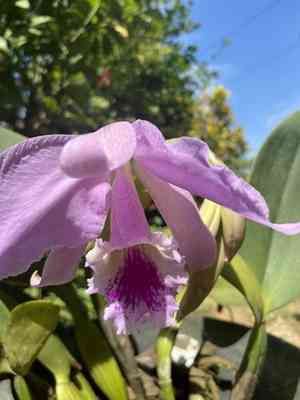
This orchid, recognized for its expansive, undulating blossoms, flourishes with limited trimming. Only detach deceased or compromised pseudobulbs and withered flower stalks. Trimming subsequent to blooming enhances vigor, enabling crimson cattleya to direct its resources toward fresh development. Regular trimming can be performed in any season because of crimson cattleya's uninterrupted growth pattern. Prompt elimination of unattractive or unhealthy sections not only maintains crimson cattleya's visual appeal but also fosters strong well-being and flower generation.
What Are the Benefits of Pruning Crimson Cattleya?
What Are the Benefits of Pruning Crimson Cattleya?
Trimming crimson cattleya is essential. It encourages flowering, promotes vigorous development, and keeps a neat shape. Strategic cuts help focus the plant's energy on producing blooms and vitality, rather than uncontrolled expansion.
What Is the Best Time for Pruning Crimson Cattleya?
What Is the Best Time for Pruning Crimson Cattleya?
The timing is chosen to ensure that crimson cattleya's growth cycle remains uninterrupted, and energy reserves are not depleted during active growth or blooming. Pruning after flowering allows the plant to direct energy towards developing strong new growth in the subsequent season. Furthermore, removing spent flowers and any dead or damaged tissue during this period helps maintain the plant's health and stimulates the formation of next year's buds.
What Tools Do I Need to Prune Crimson Cattleya?
Sharp, Sterilized Scissors or Snips
For precise cuts on crimson cattleya's delicate foliage and flower spikes, sharp and sterile scissors or snips enable clean and healthy pruning. Sterilization prevents the spread of disease among plants.
Tweezers or Small Forceps
For removing dead or dying blooms and to avoid damage in the compact growth areas of crimson cattleya, tweezers or small forceps offer the necessary precision and control.
Rubbing Alcohol or Bleach Solution
To sterilize tools before and after pruning crimson cattleya, a rubbing alcohol or bleach solution is required to ensure pathogens are not transferred during the pruning process.
Soft Cloth or Paper Towel
To clean pruning tools and wipe off excess moisture or debris from crimson cattleya, a soft cloth or paper towel is useful for maintaining tool hygiene and plant health.
How to Prune Crimson Cattleya
Step1: Inspect Plant for Pruning Needs
Examine crimson cattleya to identify which parts require trimming. Look specifically for yellowed leaves, withered blossoms, and overgrown shoots.
Step2: Sterilize Pruning Tools
Begin by sanitizing your pruning shears or scissors with rubbing alcohol to prevent the spread of disease.
Step3: Remove Yellow Leaves at Base
Remove yellow leaves by cutting them off at their base where they connect to the pseudobulb. Ensure a clean cut without harming the pseudobulb.
Step4: Prune Wilted Blossoms Above Node
Prune wilted blossoms by snipping them off just above the node where the flower stem (inflorescence) emerges from a pseudobulb.
Step5: Cut Back Overgrown Shoots
Limit the growth of overgrown shoots by cutting them back to the desired length, just above a node on the shoot, to encourage branching and new growth.
Step6: Apply Antifungal to Cuts
After pruning, apply cinnamon powder on the cut areas as a natural antifungal to protect crimson cattleya from potential infections.
Step7: Dispose of Plant Cuttings
Clean up all the cuttings and dispose of them away from the plant to deter pests and fungal diseases.
Step8: Monitor Plant Post-Pruning
Monitor crimson cattleya for a few weeks after pruning to ensure it is healthy and does not show signs of stress or disease. Adjust care as needed.
Post-Pruning Care for Crimson Cattleya
Post-Pruning Care for Crimson Cattleya
Immediately after pruning crimson cattleya, ensure cuts are clean to prevent infection. Optimize environmental conditions by maintaining high humidity and providing bright, indirect light. Avoid direct sun which can stress the recovering plant. Maintain a stable temperature between 15-25°C. Implement a balanced fertilizer regimen to promote healthy new growth but avoid overfeeding, which can damage roots. Regularly inspect crimson cattleya for signs of stress, such as wilting or discolored leaves, and treat promptly if infection symptoms appear. Adjust care as necessary to support crimson cattleya's healing and regrowth.
Common Pruning Mistakes with Crimson Cattleya
Over-Pruning Plant Foliage and Roots
Trimming too aggressively, removing too much of crimson cattleya's foliage or roots, which can stress or harm the plant.
Incorrectly Cutting Blooming Stems
Cutting stems that have recently flowered or are about to bloom, mistakenly thinking they are spent or will not flower, which reduces crimson cattleya's blooming potential.
Using Unsterilized Pruning Tools
Using unsterilized pruning tools, which can introduce diseases or pests to crimson cattleya and hinder its health and growth.
Common Pruning Tips for Crimson Cattleya
Sterilize Pruning Tools for Healthy Cuts
Use clean, sharp tools to make precise cuts on crimson cattleya, preventing damage and disease. Sterilize tools before and after use with alcohol or bleach solution.
Prune Only Dead or Damaged Plant Parts
Prune only the dead or damaged pseudobulbs and leaves to maintain plant health and appearance, making sure not to cut into the healthy tissue of crimson cattleya.
Trim Flower Spikes Post-Bloom for Re-flowering
After crimson cattleya blooms, carefully trim away the flower spike close to the base of the plant without damaging nearby growths to stimulate the next flowering cycle.



