How to Prune Sugarberry?
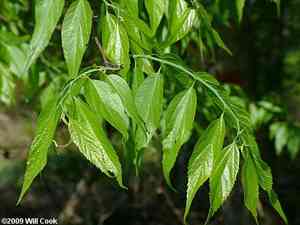
Originating from the southern regions of the United States, sugarberry is recognized for its characteristic sleek gray bark and its affinity for fertile, damp earth. The most suitable period for trimming is in late winter or early spring, prior to the emergence of new foliage. Essential pruning methods include excising dead or ailing limbs, reducing the density of the crown to enhance light penetration and airflow, and sculpting the tree to ensure its structural soundness. Exercise careful pruning to preserve sugarberry's inherent shape and encourage robust vitality, making certain that all cuts are precise and angled correctly to facilitate swift recovery.
What Are the Benefits of Pruning Sugarberry?
What Are the Benefits of Pruning Sugarberry?
Trimming sugarberry aids in maintaining a robust framework, stimulates vigorous development, and keeps the canopy visually appealing. It is vital for managing sugarberry's dimensions and fostering its overall well-being.
What Is the Best Time for Pruning Sugarberry?
What Is the Best Time for Pruning Sugarberry?
These periods are ideal for several reasons. Pruning sugarberry in late winter, just before spring growth commences, allows the plant to recover swiftly without expending energy on branches slated for removal. It also lowers the risk of disease transmission or attracting insects, which are less active in colder weather. Early spring, prior to new growth, is also suitable for the same reasons. Pruning during dormancy minimizes stress on sugarberry, leading to robust growth during the active season. It's also the optimal time to assess sugarberry's structure without leaves obstructing branches, aiding in more accurate cuts. Furthermore, removing dead, damaged, or diseased limbs at this time helps ensure a healthy developmental cycle, and for sugarberry, it doesn't interfere with later flowering or fruiting periods.
What Tools Do I Need to Prune Sugarberry?
Hand Pruners
Suitable for cutting small branches up to 3/4 inches in diameter, essential for shaping sugarberry and removing smaller, dead or diseased wood.
Loppers
These offer greater leverage for branches up to 1 1/2 inches in diameter, which is perfect for the slightly thicker growth sugarberry might exhibit.
Pruning Saw
For removing larger branches exceeding 1 1/2 inches in diameter. Sugarberry can have substantial branches that necessitate a saw.
Pole Pruner
Crucial for reaching elevated branches without needing a ladder, ensuring the gardener's safety while pruning sugarberry.
Hedge Shears
Useful for shaping and managing the canopy of sugarberry if it's cultivated as a hedge or screen.
Protective Gear
Includes gloves and safety glasses to shield the gardener from scratches and debris while working on sugarberry.
How to Prune Sugarberry
Step1: Timing for Pruning
Choose the appropriate time for pruning, which for sugarberry is best done in late winter or early spring before new growth begins.
Step2: Plant Inspection for Trimming
Examine sugarberry thoroughly to identify which parts of the plant require trimming, focusing specifically on old, dead, and diseased sections.
Step3: Tool Sterilization
Sanitize your pruning tools with a solution of one part bleach to nine parts water to prevent the spread of disease during the pruning process.
Step4: Dead Wood Removal
Start by removing any dead wood by cutting the dead branches back to where they meet healthy wood, but be careful not to cut into live tissue or the branch collar.
Step5: Excising Diseased Parts
Identify diseased parts of sugarberry, looking for discoloration, unusual growth, or the presence of pests. Remove these parts by making clean cuts well into the healthy tissue to ensure all affected material is removed.
Step6: Old Wood Trimming
Prune old wood that is no longer producing new growth to stimulate sugarberry to produce fresh, healthy growth. This can be done by trimming back to just above a bud facing the outside of the plant to encourage an open structure.
Step7: Thinning for Air and Light
Thin out the center of sugarberry to enhance air circulation and light penetration. Focus on removing some of the older branches from the interior of the canopy.
Step8: Shaping the Plant
Shape sugarberry by selectively cutting back branches to maintain a balanced, natural form. Avoid over-pruning, as sugarberry responds best to moderate and thoughtful trimming.
Step9: Debris Clearance
Clear away all pruning debris from around sugarberry to prevent rot and the possibility of disease.
Step10: Post-Pruning Watering
Water sugarberry after pruning to help reduce stress and encourage recovery.
Step11: Monitoring Plant Recovery
Monitor sugarberry over the following weeks to ensure it is healing properly from the pruning cuts and to watch for any signs of disease or pest infestation that may require additional action.
Post-Pruning Care for Sugarberry
Post-Pruning Care for Sugarberry
Immediately after pruning sugarberry, water the soil to alleviate stress and promote healing. Ensure sugarberry is in an environment with moderate light and stable temperatures, avoiding extreme fluctuations. A balanced, slow-release fertilizer can aid recovery, but avoid over-fertilization which can stress sugarberry. Regularly inspect the pruning sites for signs of disease or pest infestation. If symptoms of distress appear, such as discolored leaves or wilting, adjust care accordingly and consult a plant health expert if necessary.
Common Pruning Mistakes with Sugarberry
Excessive Foliage Removal Stress
Over-pruning, which can weaken sugarberry by removing too much foliage, leading to stress and reduced vigor.
Improper Branch Cutting Technique
Cutting branches flush to the trunk, which can create large wounds that heal poorly and increase the risk of disease and pest infestation.
Unmaintained Pruning Tools
Using dull or dirty pruning tools, leading to ragged cuts and potential spread of disease between plants.
Unplanned Random Pruning Cuts
Pruning without a clear objective, resulting in random cuts that can mar the natural shape of sugarberry and compromise its structural integrity.
Ignoring Dead or Diseased Wood
Neglecting to remove dead, diseased, or damaged wood during pruning, which can hinder healthy growth and flowering.
Common Pruning Tips for Sugarberry
Use Sharp, Clean Pruning Tools
Utilize sharp, clean tools to make precise cuts that will heal quickly and minimize the chance of disease entering the pruning wound.
Three-Cut Branch Removal Technique
When removing larger branches, employ the three-cut technique to prevent bark tearing: a first undercut, a second cut further out to remove the weight of the branch, and a final cut just outside the branch collar to promote proper healing.
Thinning for Air and Light Penetration
Focus on thinning out crowded areas of the canopy to improve air circulation and light penetration to the interior of sugarberry, which encourages healthy growth.
Prompt Removal of Unhealthy Branches
Always remove dead, damaged, or diseased branches as soon as they are observed to maintain the health and appearance of sugarberry.
Preserve Natural Shape with Selective Pruning
Retain the natural form of sugarberry by making selective cuts that follow the natural branching pattern, rather than shearing or topping which can lead to weak growth and increased maintenance.



