How to Prune Red valerian?
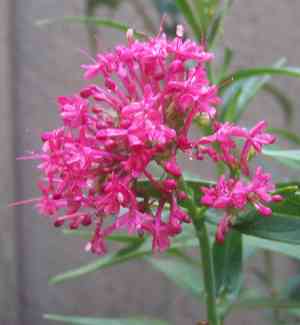
A perennial admired for its vivid blooms and robust development, red valerian flourishes with little upkeep. Trim spent flowers to stimulate further blooming and preserve its form. Reduce its size in early spring to foster dense, compact development. Remove spent blossoms during late summer to enhance its look and deter self-seeding. Trimming encourages more robust, healthier specimens. Refrain from excessive pruning to safeguard the plant's inherent structure.
What Are the Benefits of Pruning Red Valerian?
What Are the Benefits of Pruning Red Valerian?
Trimming red valerian promotes robust development by reallocating energy towards producing fresh shoots and blossoms. Regular trimming maintains red valerian's form, preventing excessive growth and fostering a more compact, visually appealing structure.
What Is the Best Time for Pruning Red Valerian?
What Is the Best Time for Pruning Red Valerian?
Trimming red valerian in early spring supports its well-being by eliminating any lifeless or damaged stalks before new growth emerges, enabling more vigorous development throughout the growing period. It also aids in preserving the plant's desired shape and size, and encourages more abundant flowering. Late summer trimming, once the primary blooming has concluded, can be advantageous for removing faded flowers and preventing self-seeding, which red valerian is prone to. This timing also ensures the plant has ample time to recover before the colder winter months, without stimulating new growth that could be harmed by frost.
What Tools Do I Need to Prune Red Valerian?
Secateurs
For precise cutting and shaping of red valerian, secateurs assist gardeners in making clean cuts on stems. This tool is suitable for removing dead flowers and trimming smaller stems to encourage bushier growth.
Pruning Shears
Red valerian may necessitate the removal of thicker stems or overgrown sections. Pruning shears are designed for this purpose, offering greater leverage to cut through woodier parts of the plant.
Gloves
While handling red valerian, protective gloves are crucial to prevent scratches or irritation from the plant's stems or any pests that might reside within.
Pruning Saw
In some instances of overgrown red valerian, a pruning saw might be required to remove larger stems or branches. It is important to do this carefully to maintain the plant's health and shape.
Loppers
For reaching into dense growth or making cuts in hard-to-reach areas of red valerian, loppers with long handles provide the necessary reach and cutting power.
Garden Fork
Used to loosen the soil around red valerian before pruning, which can help in identifying the base of the stems and promoting healthy root growth post-pruning.
How to Prune Red Valerian
Step1: Timing Pruning Post-Flowering
Wait for the appropriate time of year to prune red valerian, which is after flowering concludes, typically in late summer or early autumn. This helps prevent unnecessary stress on the plant and ensures it's in the correct growth stage for pruning.
Step2: Tool Preparation and Sterilization
Prepare your tools. Use sharp, clean secateurs or pruning shears. Disinfect them before use to prevent the spread of disease to red valerian.
Step3: Deadheading Spent Blooms
Begin by removing all the dead flowers and spent blooms of red valerian. Carefully snip the flower stalk at its base, just above where it meets the main stem or just above a new lateral growth point.
Step4: Disease and Damage Inspection
Inspect red valerian for any signs of disease or damage as you remove the dead flowers. Cut away any unhealthy or damaged tissue back to healthy growth to promote good plant health.
Step5: Thinning for Airflow and Light
Thin out crowded areas by selectively pruning back to where there is a natural break in the foliage. This will improve air circulation and light penetration for red valerian, which can enhance growth and flower production.
Step6: Shaping the Plant
After removing the dead flowers and spent blooms, assess the overall shape of red valerian. If necessary, lightly shape the plant by trimming any outlying stems to maintain a pleasing and balanced structure, always cutting just above a leaf node.
Step7: Pruning Clean-Up
Clean up all the debris from pruning red valerian and dispose of it properly to prevent any disease from lingering or spreading in the garden.
Step8: Post-Pruning Watering and Mulching
Water red valerian gently if the soil is dry, and apply a layer of mulch around the base to help the plant recover and conserve moisture.
Step9: Monitoring for New Growth
Monitor red valerian over the next few weeks for any signs of new growth. If the plant becomes too dense, additional thinning may be necessary to maintain optimal health and appearance.
Post-Pruning Care for Red Valerian
Post-Pruning Care for Red Valerian
After trimming red valerian, immediately water to alleviate stress. Maintain a light regimen with direct but gentle morning sun, providing shade during intense afternoon heat. Monitor humidity, keeping it moderate to prevent fungal diseases. Fertilize with a balanced, slow-release fertilizer to support regrowth. Regularly inspect for wilted leaves or discoloration, indicators of stress or infection. If symptoms appear, address promptly with suitable fungicides or pest control measures, and adjust care as necessary for plant recovery.
Common Pruning Mistakes with Red Valerian
Over-Pruning Reduces Flowering Potential
Trimming too aggressively, which may lead to a significant reduction of the flowering potential in red valerian.
Unsanitized Tools May Spread Disease
Not sanitizing pruning tools between plants, potentially spreading diseases to red valerian.
Ignoring Dead Stems Compromises Plant Health
Neglecting to remove dead or diseased stems during pruning, which can affect the overall health and aesthetics of red valerian.
Inappropriate Cutting Angles Lead to Rot
Cutting red valerian's stems at inappropriate angles, thus leading to water accumulation and potential rot.
Excess Old Wood Limits New Blooms
Leaving too much old wood, which will result in sparse blooming since red valerian flowers best on new growth.
Common Pruning Tips for Red Valerian
Use Sharp, Clean Tools for Healthy Cuts
Always use sharp, clean pruning tools to make clean cuts that heal quickly, minimizing stress on red valerian.
Cut Above Leaf Nodes for New Branching
When reducing the height or shaping red valerian, perform pruning cuts just above a leaf node to encourage new branching.
Remove Unhealthy Stems Promptly
Remove dead, damaged, or diseased stems as soon as they are noticed to maintain the health of red valerian.
Deadhead to Encourage Second Flowering
After blooming has finished, cut back the spent flower stems to promote a second flush of flowers in the same season.
Prune with Natural Shape for Aesthetics and Health
Consider the natural shape of red valerian when pruning, aiming to maintain an aesthetically pleasing form while encouraging ventilation and light penetration.



