How to Prune Eastern redbud?
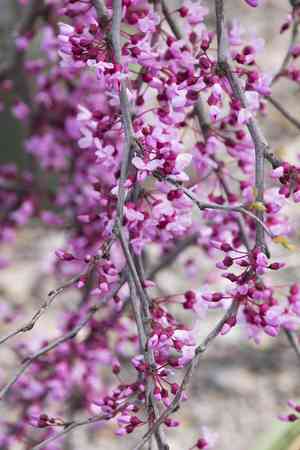
Renowned for its vivid spring flowers, eastern redbud thrives with judicious trimming to preserve its form and foster well-being. Essential methods involve excising deceased or injured limbs, reducing dense sections to enhance air circulation, and sculpting for visual attractiveness. The most opportune period for pruning is from late spring to early summer after flowering, to prevent the removal of developing flower buds. Trimming stimulates fresh development and amplifies flowering. It is crucial to execute precise cuts and refrain from excessively severe pruning, which could cause distress to eastern redbud.
What Are the Benefits of Pruning Eastern Redbud?
What Are the Benefits of Pruning Eastern Redbud?
Trimming eastern redbud promotes abundant flowering and strengthens its resistance to pests and diseases, leading to a healthier, more vibrant plant.
What Is the Best Time for Pruning Eastern Redbud?
What Is the Best Time for Pruning Eastern Redbud?
Pruning eastern redbud in late spring, once its blooming period has finished, allows gardeners to shape the plant without sacrificing the current year's blossoms. This timing aligns with eastern redbud's growth cycle, as it has completed its spring flowering and is entering its vegetative growth phase. During this phase, pruning wounds heal more rapidly, reducing stress and susceptibility to diseases. Early summer pruning is also ideal, providing eastern redbud ample time to recover before winter. This also prevents the loss of next year's buds, which develop later in the summer. By avoiding late fall or winter pruning, the risk of cold damage at the pruning sites is also minimized, safeguarding the overall health of eastern redbud.
What Tools Do I Need to Prune Eastern Redbud?
Hand Pruners
For most routine trimming tasks on young or slender branches of eastern redbud, hand pruners, especially bypass pruners, are perfect. They deliver a clean cut and are easy to handle, making them suitable for branches up to 1/2 to 3/4 inches in diameter.
Loppers
When dealing with thicker branches, typically up to 1 1/2 to 2 inches in thickness, loppers are the superior choice for eastern redbud. Their long handles provide leverage for easier cutting and allow access to the canopy without overreaching.
Pruning Saw
For mature branches that hand pruners and loppers cannot manage, a pruning saw is essential. This will prevent damage to the branch and ensure a clean cut on branches exceeding 2 inches in diameter.
Pole Pruner
In situations where eastern redbud branches are out of reach, a pole pruner can be used to trim without needing a ladder. This tool is particularly useful for higher branches, combining a pruning blade and lopping shears, operated by a pull cord.
Pruners with Gearing or Ratcheting Mechanism
These are particularly recommended for individuals with less hand strength or those working with tougher eastern redbud branches. Gearing adds extra cutting power, and a ratcheting mechanism enables progressive, controlled cutting.
How to Prune Eastern Redbud
Step1: Inspecting Plant for Pruning
Thoroughly examine eastern redbud to identify dead wood, weak branches, and diseased limbs that require trimming. It's best to perform this assessment in late winter or early spring before new growth begins.
Step2: Tool Sterilization Before Cut
Sanitize all pruning tools with a solution of one part bleach to nine parts water before making any cuts to prevent the spread of disease.
Step3: Removing Dead Wood
Begin trimming by removing all dead wood. Make cuts at the point where the dead wood meets healthy tissue, using sharp, clean pruning shears or a saw, depending on the wood's thickness. Cuts should be made at a slight angle, sloping away from the bud or branch to encourage water runoff.
Step4: Pruning Weak Branches
Next, identify and prune weak branches. Weak branches may be thin, poorly attached, or growing at awkward angles that do not contribute to eastern redbud's overall structure. Remove these by cutting them back to a main branch or to the trunk. Ensure that the cut is clean and as close to the junction as possible without damaging the branch collar.
Step5: Pruning Diseased Limbs
Address diseased limbs by pruning them back to healthy tissue. Cuts should be made in a way that avoids transferring disease to healthy parts. It's crucial to remove any branch showing signs of disease, such as discoloration, cankers, or unusual growths.
Step6: Eliminating Crossed Branches
Remove any crossing or rubbing branches to prevent damage to the bark and underlying tissue. This will help maintain the health and structure of eastern redbud.
Step7: Shaping Plant for Aesthetics
After major issues are addressed, shape eastern redbud for aesthetic purposes and to promote healthy growth. When shaping, always consider eastern redbud's natural form and avoid over-pruning as this can stress the plant.
Step8: Enhancing Canopy Ventilation
Make any final cuts to improve ventilation within the canopy. This reduces humidity that can contribute to fungal diseases and allows light to penetrate, improving eastern redbud's overall vigor.
Step9: Cleanup of Pruning Debris
Clear away all pruning debris from around eastern redbud. This helps reduce the likelihood of pests and diseases lingering in the area.
Step10: Observing Post-Pruning Recovery
Finally, monitor the pruned areas over the following season for signs of new growth and healing to ensure that eastern redbud recovers well from the pruning process.
Post-Pruning Care for Eastern Redbud
Post-Pruning Care for Eastern Redbud
Immediately after trimming eastern redbud, clean cuts should be allowed to heal naturally without applying sealants. Optimize post-pruning conditions by ensuring eastern redbud has partial sun exposure, moderate humidity, and avoids temperature extremes. Support recovery with balanced, slow-release fertilizer and consistent watering, avoiding over-fertilization. Monitor eastern redbud for wilting leaves or bark discoloration which could indicate stress or infection. If such symptoms are detected, reduce stressors and consider consulting a plant pathologist.
Common Pruning Mistakes with Eastern Redbud
Excessive Foliage Removal Stress
Removing too much foliage, which can stress eastern redbud and lead to reduced blooming.
Unnatural Shape Pruning Mistake
Trimming to create an unnatural shape, disregarding eastern redbud's natural growth habit.
Improper Cutting Techniques
Making incorrect cuts that can leave eastern redbud vulnerable to diseases and pests.
Ignoring Dead/Diseased Wood Removal
Neglecting to remove dead or diseased wood, which can hinder eastern redbud's overall health.
Not Using Clean, Sharp Tools
Overlooking the importance of clean, sharp pruning tools, which can result in jagged cuts and potential infection.
Common Pruning Tips for Eastern Redbud
Natural Shape Maintenance Pruning
Trim to maintain eastern redbud's natural, vase-like shape, focusing on removing only what is necessary.
Clean 45-Degree Angle Cuts
Make clean cuts at a 45-degree angle just above a bud facing the outside of the plant to encourage outward growth.
Remove Dead or Diseased Branches First
Start by removing any dead, damaged, or diseased branches to improve air circulation and plant health.
Thin Center for Light and Air Flow
Thin out eastern redbud's center to increase light penetration and air flow, which will enhance flowering.
Proper Shortening to Lateral Branches
When shortening branches, cut back to a lateral branch to avoid leaving stubs which can foster decay.
Tool Disinfection after Pruning
After pruning, clean your tools with a solution of 10% household bleach to water or use alcohol wipes to prevent disease spread.



