How to Prune Judas tree?
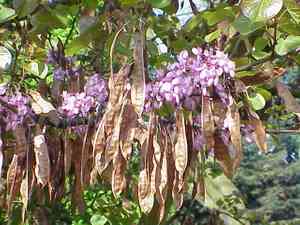
Celebrated for its cordate foliage and abundant pink-purple blossoms that emerge directly from its limbs, the judas tree greatly profits from appropriate trimming. Essential methods involve reducing congested branches, eliminating basal shoots, and sculpting for visual appeal. Performing pruning in late winter or early spring, prior to the emergence of fresh growth, is optimal for robust development. Excising dead or ailing wood improves air movement and plant vigor, while shaping preserves an attractive appearance.
What Are the Benefits of Pruning Judas Tree?
What Are the Benefits of Pruning Judas Tree?
Trimming judas tree promotes robust development and helps keep its desired form. Regular cutting creates a strong framework, leading to a healthier structure and improved plant vitality, enhancing its decorative appeal.
What Is the Best Time for Pruning Judas Tree?
What Is the Best Time for Pruning Judas Tree?
The ideal times for pruning judas tree are late winter and early spring, prior to new growth appearing. This timing prevents unnecessary harm to the plant as judas tree enters a dormant state during winter when growth and metabolic activity are minimal. Late winter pruning prepares judas tree for vigorous spring growth by eliminating any dead or diseased wood, enhancing the plant's overall health and structure. Pruning in early spring coincides with the period just before judas tree begins its growth cycle, allowing the plant to heal efficiently from cuts and direct its energy towards producing new shoots and buds. Since judas tree flowers on previous or old wood, pruning after blooming could remove buds set for the following year, thus late winter to early spring is specifically advised to avoid disrupting the flowering phase. Furthermore, performing maintenance during these seasons reduces the risk of disease transmission, as many pathogens are less active in colder weather.
What Tools Do I Need to Prune Judas Tree?
Hand Pruners
For most pruning tasks on judas tree, hand pruners, also known as secateurs, are crucial due to their ability to make clean cuts on small branches and twigs. They are perfect for shaping and removing dead wood without harming the plant.
Loppers
When dealing with branches too thick for hand pruners, between 1 and 2 inches in diameter, loppers are the ideal tool. They provide the necessary leverage and reach for cutting through the thicker growth of judas tree.
Pruning Saw
For the thickest branches of judas tree, those that loppers cannot manage, a pruning saw is necessary. This saw is designed to cut on the pull stroke, reducing effort and providing a clean cut that aids healing.
Pole Pruner
If judas tree has grown tall and there are out-of-reach branches needing pruning, a pole pruner offers extended reach to perform the task safely from ground level without needing a ladder.
Gardening Gloves
To protect hands from thorns and rough bark when pruning judas tree, sturdy gloves are recommended. They provide grip and lessen the chance of injury while handling tools and branches.
Sharpener
Keeping all cutting tools sharp is essential for making precise cuts on judas tree, which helps prevent damage to the plant and ensures quick healing. A sharpener should be used regularly to maintain the effectiveness of the blades.
How to Prune Judas Tree
Clean Pruning Tools
Ensure all pruning tools are clean and sharp to prevent disease spread and to make clean cuts on judas tree.
Identify Parts
Carefully inspect judas tree to identify and mark all dead or diseased branches for removal, avoiding healthy growth.
Cut Diseased Branches
Using appropriate pruning shears, cut diseased branches on judas tree at least several inches into healthy wood to ensure the disease is entirely removed.
Remove Dead Branches
Remove dead branches from judas tree by cutting at the base, close to the trunk, without damaging the collar to promote proper healing.
Disinfect Tools
After each cut, especially when removing diseased wood, disinfect pruning tools to prevent transferring pathogens to other parts of judas tree or other plants.
Common Pruning Mistakes with Judas Tree
Overzealous Cutting
A frequent error is removing too much growth in a single pruning session. This can stress judas tree, leading to weak growth or reducing the amount of flowering.
Improper Tool Use
Using dull or unclean tools may damage branches, leaving judas tree vulnerable to disease or pests. It's crucial to use sharp, sterilized pruning tools for clean cuts.
Neglecting Form
Failing to consider judas tree's natural growth pattern during pruning can result in an unnatural shape and potentially harm the plant's structural integrity.
Pruning Healthy Wood
Cutting away healthy, non-intrusive wood can limit judas tree's potential for flowering since judas tree blooms on old wood. Gardeners should focus on removing only the necessary parts.
Ignoring Dead Material
Leaving dead or diseased branches unpruned can hinder judas tree's vigor and aesthetic appeal. It's important to identify and remove these parts to maintain plant health.
Common Pruning Tips for Judas Tree
Seasonal Regeneration
Judas tree benefits from the removal of any dead, diseased or crossing branches to encourage rejuvenation and maintain aesthetic form without specific regard to the seasonal timing of this activity.
Selective Thinning
Thinning out congested areas by carefully selecting and removing a few of the older branches helps to improve air circulation and light penetration, which is vital for judas tree's overall health.
Shaping And Balance
When shaping judas tree, cuts should follow the natural line of the plant to maintain balance and promote a more pleasing, natural appearance, respecting the plant's inherent form.
Tool Maintenance
Regularly maintaining pruning tools ensures they are sharp and clean to facilitate smooth cuts that heal quickly, preventing damage to judas tree's delicate branches.
Cutting Technique
Making cuts at a slight angle away from the bud encourages water to run off the cut surface, reducing the risk of rot and disease for judas tree. It is essential to make precise, considerate cuts for healthy regrowth.



