How to Prune Japanese flowering quince?
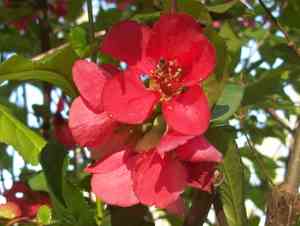
This leaf-shedding bush is renowned for its vivid flowers and thick, spiky stems. Essential trimming methods for japanese flowering quince involve reducing older branches to foster fresh development and molding the plant by snipping back to a robust bud. The most effective time for pruning is in early spring to stimulate blooming and preserve the plant's well-being. Trimming japanese flowering quince encourages revitalization, boosts air movement, and increases fruit yield, which is crucial for sustaining a visually appealing and fruitful plant.
What Are the Benefits of Pruning Japanese Flowering Quince?
What Are the Benefits of Pruning Japanese Flowering Quince?
Trimming japanese flowering quince promotes robust development and preserves its desired shape. It helps revitalize the plant, ensuring strong health and visual appeal.
What Is the Best Time for Pruning Japanese Flowering Quince?
What Is the Best Time for Pruning Japanese Flowering Quince?
Pruning japanese flowering quince in early spring aligns with its growth cycle, which typically resumes with vigorous new growth as the weather warms. This timing ensures that the wounds from pruning will heal quickly, minimizing the risk of disease and stress to the plant. Additionally, because japanese flowering quince blooms on old wood from the previous season's growth, early spring pruning allows gardeners to shape the plant and remove any dead or damaged wood without significantly affecting the current year's flowers. It is a critical period to maintain the health and structure of the plant while maximizing its ornamental value for the blooming season.
What Tools Do I Need to Prune Japanese Flowering Quince?
Hand Pruners
For japanese flowering quince, hand pruners are essential for making clean cuts on smaller branches typically less than 1/2 inch in diameter. They offer precision needed to cut back dead or unwanted branches without damaging the remaining stems.
Lopping Shears
Japanese flowering quince may develop thicker branches that are up to 1 1/2 inches in diameter as it matures. Lopping shears with their long handles provide the leverage necessary for cutting through these with minimal effort.
Pruning Saw
For mature japanese flowering quince specimens with even thicker branches, a pruning saw is ideal. It can efficiently handle branches over 1 1/2 inches in diameter that hand pruners or lopping shears may struggle with.
Hedge Shears
When shaping japanese flowering quince or managing new growth to encourage a bushier appearance, hedge shears are useful for trimming softer, thinner branches and achieving a more uniform look.
Gloves
Wearing gloves is advisable when pruning japanese flowering quince to protect against thorns and rough branches.
Pruning Sealant
While not a cutting tool, applying pruning sealant to larger cuts can help protect japanese flowering quince from pests and diseases after pruning.
How to Prune Japanese Flowering Quince
Step1: Health and Shape Assessment
Evaluate japanese flowering quince's overall vitality and form before making any cuts. Clear any debris around the plant to get a clear view of its structure and identify parts needing pruning, such as old wood, dead stems, and suckers.
Step2: Tool Sterilization and Sharpening
Sanitize pruning shears or loppers with alcohol or a bleach solution to prevent disease spread. Ensure cutting tools are sharp for clean cuts.
Step3: Remove Dead/Diseased Wood
Begin pruning japanese flowering quince by removing any dead or diseased wood. Cut back to healthy tissue, identifiable by green wood under the bark, pruning about 1/4 inch above a healthy outward-facing bud or lateral branch.
Step4: Thinning Old Wood for Rejuvenation
Thin out old wood to stimulate new growth, which will bear flowers. Selectively trim back older, gray-colored branches to a new shoot or outward-facing bud to encourage a more compact and rejuvenated shape.
Step5: Sucker Removal at Base
Prune any suckers growing from the base of japanese flowering quince. Cut these sprouts off as close to the main root structure as possible without damaging the bark of the main plant.
Step6: Branch Shortening for Desired Shape
Shape japanese flowering quince by shortening long, unsightly branches to maintain the desired size and form. Make sure to cut just above a bud that faces the direction you want the branch to grow.
Step7: Improving Airflow by Opening Center
Open up the center of japanese flowering quince to improve air circulation and light penetration by selectively pruning overlapping branches. This will help to reduce the potential for disease and encourage evenly dispersed blooms.
Step8: Debris Cleanup to Prevent Re-infection
Clean up all removed material from the site to prevent any disease or pests harbored in the debris from re-infecting japanese flowering quince.
Step9: Post-Pruning Hydration and Mulching
Water japanese flowering quince thoroughly after pruning to help reduce stress and encourage recovery. Mulch around the base of the plant to help retain moisture and provide nutrients.
Step10: Post-Pruning Monitoring and Care
Monitor japanese flowering quince in the following weeks for any signs of stress or disease and treat accordingly if necessary. Resume normal feeding and care routine.
Post-Pruning Care for Japanese Flowering Quince
Post-Pruning Care for Japanese Flowering Quince
Immediately after pruning japanese flowering quince, water thoroughly to mitigate transplant shock. Ensure japanese flowering quince receives partial to full sun, maintaining ambient humidity and temperatures between 60-70°F. Apply a balanced, slow-release fertilizer to support regeneration. Regularly inspect japanese flowering quince for wilt, discoloration, or pests as signs of distress. Should symptoms emerge, adjust care, potentially consulting an expert. Keep the surrounding soil moist, but well-drained, avoiding overwatering to prevent root rot and other diseases.
Common Pruning Mistakes with Japanese Flowering Quince
Using Blunt or Dirty Pruning Tools
A common error is using dull or unclean pruning tools, which can harm japanese flowering quince branches and introduce disease.
Improper Pruning Amount
Excessive or insufficient pruning of japanese flowering quince can lead to poor flowering or an undesirable shape. Gardeners should avoid removing too much or too little of the plant's growth.
Incorrect Pruning Cuts Location
Cutting japanese flowering quince's branches in the wrong place can result in unwanted growth patterns. Pruning cuts should be made just above outward-facing buds to encourage a well-shaped plant.
Ignoring Dead or Diseased Wood
Neglecting to remove dead or diseased wood can negatively affect the health of japanese flowering quince, reducing its vigor and bloom potential.
Not Thinning Out Crowded Branches
Failure to thin out crowded branches can inhibit sunlight and air circulation, which are crucial for the overall health and flowering success of japanese flowering quince.
Common Pruning Tips for Japanese Flowering Quince
Use Sharp, Clean Pruning Tools
Use sharp, clean pruning shears or loppers to make clean cuts which will help prevent disease and damage to japanese flowering quince.
Judicious Pruning for New Growth
Adopt a judicious pruning approach, aiming to remove only about one-third of the old wood to encourage new growth and maintain the natural form of japanese flowering quince.
Cut Above Outward-Facing Buds
Make pruning cuts just above buds that face outwards to direct growth away from the center of japanese flowering quince, which facilitates an open structure for better sunlight exposure and air circulation.
Remove Dead, Diseased Wood
Always remove any dead, diseased, or damaged wood to help maintain the overall health and aesthetic of japanese flowering quince.
Thin Older Stems for Better Airflow
Thin out crowded branches to improve air circulation and light penetration, which is critical for the flowering and fruiting of japanese flowering quince. This should be done by selectively removing some of the older stems at the base.
Fertilize After Pruning
After pruning, a suitable fertilizer can be applied to provide japanese flowering quince with the necessary nutrients to support vigorous growth and abundant flowering post-pruning.
Regular Maintenance Trimming
Follow up with regular checks and maintenance trimming to shape japanese flowering quince or to remove any irregular growth or suckers that arise throughout the growing season.



