How to Prune Flowering quince?
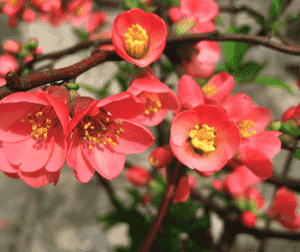
A leaf-shedding bush recognized for its vivid blossoms and spiky limbs, flowering quince thrives with trimming to boost its flowering and preserve its structure. The ideal time for pruning is immediately following its bloom period, usually in late spring or early summer, to prevent severing the subsequent year's flower buds. Remove older, congested branches and eliminate any lifeless, injured, or infected wood. Shaping should be kept to a minimum to retain its inherent form. Trimming encourages more robust development, enhancing air movement and lowering the chance of illness.
Advantages of Trimming Flowering Quince
Advantages of Trimming Flowering Quince
Trimming flowering quince promotes abundant blossoms and enhances resistance to pests and diseases, leading to a healthier, more vibrant specimen.
Optimal Period for Trimming Flowering Quince
Optimal Period for Trimming Flowering Quince
The best time to trim flowering quince is right after it finishes blooming, typically in early spring. Late spring to early summer is considered ideal because flowering quince will have completed its flowering cycle. Trimming during this window allows gardeners to shape the plant while minimizing the risk of removing next year's flower buds. It also provides flowering quince ample time to recover and produce new growth that will mature before winter. Pruning at this point helps maintain the plant's health and vitality, ensuring plentiful blooms in the subsequent season.
Tools Required for Trimming Flowering Quince
Hand pruners
Essential for making precise cuts on flowering quince's slender branches and shaping the plant.
Lopping shears
Useful for cutting through thicker branches that hand pruners cannot manage, ensuring a clean cut without harming flowering quince.
Pruning saw
A saw may be necessary for any mature branches that are too thick for loppers.
Hedge shears
Perfect for trimming and shaping flowering quince hedges, as they provide a straight, uniform cut.
Pruning gloves
Crucial for protecting the gardener's hands from flowering quince's thorns and potential plant diseases.
How to Trim Flowering Quince
Sanitization
Disinfect your trimming tools with alcohol or a bleach solution to prevent disease transmission when cutting flowering quince.
Removal of Diseased Material
Eliminate any diseased leaves and branches by cutting them back to healthy wood. Ensure cuts are made just above an outward-facing bud to encourage a more open plant structure for flowering quince.
Dead Material Removal
Cut away dead branches and withered leaves. These are identifiable by their brown or black color and dry texture. Dispose of them properly to prevent fungal growth near flowering quince.
Flower Trimming
After flowering quince has bloomed, trim away spent flowers. Deadheading the faded blooms encourages new growth and helps maintain a neat appearance.
Shape Management
Thin out excessive growth branches to shape flowering quince and ensure adequate light penetration and air circulation throughout the plant. Preserve the natural form of flowering quince by selectively removing branches that cross or grow inward.
Common Trimming Errors with Flowering Quince
Excessive Trimming
Removing too much of flowering quince's branches can stress the plant, leading to stunted growth and fewer flowers. Aim to trim no more than one-third of the total growth.
Incorrect Cuts
Improper cutting techniques, such as leaving stubs or cutting too close to the main branch, can attract pests and diseases. Make clean cuts just above outward-facing buds.
Neglecting Deadwood
Failing to remove dead or diseased branches can impair the health and aesthetic appeal of flowering quince. Regularly inspect and remove any unhealthy growth.
Ignoring Shape
Trimming without considering the natural shape of flowering quince can result in an unbalanced look. Prune with the plant's inherent habit in mind.
General Trimming Advice for Flowering Quince
Promote Branching
Trim flowering quince just above a bud facing the plant's exterior. This directs new growth outward and ensures a more open structure for sunlight and air circulation.
Renewal Trimming
For an older flowering quince, perform renewal trimming by removing a few of the oldest branches at the base to stimulate vigorous new growth.
Selective Thinning
Thinning out crowded branches in the center of flowering quince improves airflow and reduces the risk of fungal diseases.
Maintain Vigor
Regularly trim to maintain the vigor of flowering quince, focusing on removing any weak, crossing, or inward-growing branches to preserve a strong framework.



