How to Prune Lawson's cypress?
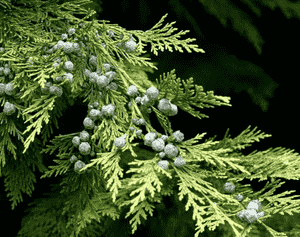
This perennial evergreen is celebrated for its conical structure and compact, scaly leaves. For lawson's cypress, trimming ought to concentrate on preserving its inherent silhouette by eliminating deceased, ailing, or compromised limbs. Selective thinning cuts are favored to foster air circulation and light access. The ideal period for pruning is in the winter, refraining from extensive cuts to uphold its configuration. Advantages of pruning encompass improved vitality and the deterrence of pest invasions by eradicating potential access points.
What Are the Benefits of Pruning Lawson's Cypress?
What Are the Benefits of Pruning Lawson's Cypress?
Trimming lawson's cypress promotes robust development and helps maintain its desired form. By selectively cutting back its branches, gardeners can stimulate new growth, ensuring a dense and attractive shape while preventing overgrowth and promoting plant health.
What Is the Best Time for Pruning Lawson's Cypress?
What Is the Best Time for Pruning Lawson's Cypress?
Winter is considered the optimal time for pruning lawson's cypress because it is during this season that the plant is in its dormant phase. Pruning during dormancy minimizes stress on the plant and the risk of disease transmission. It also promotes vigorous growth in the spring, as the plant channels its energy into the development of new shoots from the remaining buds. Moreover, the lack of leaves during winter provides better visibility for selective pruning, allowing for more precise cuts and shaping. Avoiding pruning in the spring and early summer is important as well, since this is when lawson's cypress experiences active growth and cutting it back can limit its development and the natural beauty of its form. Pruning lawson's cypress outside of winter, especially in its active phases, can also predispose the plant to sap loss and increase vulnerability to pests and diseases.
What Tools Do I Need to Prune Lawson's Cypress?
Hand Pruners
Ideal for making precise cuts on young or small branches of lawson's cypress.
Loppers
Provide leverage to cut through branches thicker than those suitable for hand pruners on lawson's cypress. Generally used for branches up to 1.5 inches in diameter.
Pruning Saw
Necessary for cutting branches larger than what loppers can handle on lawson's cypress.
Hedge Shears
Best for shaping and maintaining the dense foliage of lawson's cypress.
Pole Pruner
Allows reaching higher branches of lawson's cypress without using a ladder.
How to Prune Lawson's Cypress
Step1: Timing of Pruning
Identify the best time for pruning which is typically late winter to early spring before new growth begins for lawson's cypress. Avoid excessive pruning in late summer or early fall, as this can stimulate new growth susceptible to winter damage.
Step2: Tool Preparation
Clean and sharpen pruning tools before starting. This prevents the spread of disease and ensures precise cuts.
Step3: Dead Wood Removal
Start with the removal of all dead wood. Carefully examine lawson's cypress and locate any branches or twigs that appear dry, brittle, and brown. Cut these parts back to living tissue or to the base of the branch.
Step4: Disease Elimination
Search and remove all diseased sections, indicated by discoloration or unusual growth patterns. Make cuts into healthy tissue below the diseased areas to prevent spread. Disinfect pruning tools after cutting diseased material.
Step5: Broken Branch Trimming
Carefully remove broken branches by cutting them at the point of breakage or back to the main branch or trunk. Avoid leaving stubs as they can be entry points for pests and diseases.
Step6: Plant Reshaping
If reshaping lawson's cypress is required, only lightly shape the tree for size control or aesthetics. Make shaping cuts just above a lateral branch or bud facing the outside of the plant to encourage outward growth.
Step7: Thinning Overgrowth
Thin out overgrown areas to increase light penetration and air circulation. This involves cutting some of the denser branches back to a main branch or the trunk.
Step8: Heading Cuts for Growth
Using heading cuts, cut back overly long branches by cutting just above an outward-facing bud to shape lawson's cypress and encourage bushier growth.
Step9: Post-Prune Inspection
Inspect the pruned areas to ensure that all cut branches have been cleanly removed and that there are no jagged edges, which could lead to disease.
Step10: Pruning Debris Disposal
Dispose of all pruning debris, especially diseased or infested material, to prevent the spread of pests or diseases in the garden.
Step11: Post-Pruning Care
Water and mulch around the base of lawson's cypress to encourage recovery and protect the roots, especially after a heavy pruning session.
Post-Pruning Care for Lawson's Cypress
Post-Pruning Care for Lawson's Cypress
Immediately after pruning lawson's cypress, irrigate thoroughly to reduce transplant shock. Position lawson's cypress in a spot with dappled sunlight to prevent sunscald. Maintain ambient humidity and a stable temperature, avoiding extremes that could stress lawson's cypress. Apply a balanced, slow-release fertilizer to promote recovery, but avoid over-fertilization which can lead to sappy growth vulnerable to pests. Regularly inspect for signs of stress, like wilting or discoloration, and for infections signified by oozing cuts or dieback. Isolate affected areas by pruning away any diseased material, disinfecting tools afterward to prevent spread.
Common Pruning Mistakes with Lawson's Cypress
Excessive Foliage Removal
Over-pruning, which can significantly harm lawson's cypress by removing too much foliage, thereby reducing the plant's ability to photosynthesize and weakening it.
Incorrect Old Wood Cutting
Cutting into old wood can result in areas that won't rejuvenate with new growth, leading to unsightly gaps in lawson's cypress's foliage.
Using Dull or Dirty Pruning Tools
Using dull or unclean tools can damage the branches, creating jagged cuts that make lawson's cypress more susceptible to disease and insect infestation.
Ignoring Plant's Natural Shape
Pruning without understanding the natural shape of lawson's cypress can result in a forced shape that is unhealthy for the plant and may ruin its aesthetic appeal.
Not Removing Dead or Diseased Wood
Neglecting to remove dead, diseased, or damaged wood, which can hinder healthy growth and potentially spread disease throughout lawson's cypress.
Common Pruning Tips for Lawson's Cypress
Clean, Sharp Tool Use
Use sharp, clean pruning tools to make clean cuts that lawson's cypress can heal from more effectively, reducing the chance of disease.
Enhancing Air and Light Flow
Focus on thinning out dense growth to improve air circulation and light penetration, which will benefit the overall health of lawson's cypress.
Respecting Natural Shape
Prune with the intention of maintaining lawson's cypress's natural pyramidal shape, removing individual branches or shoots that deviate from this form.
Careful Branch Tip Pruning
When shaping lawson's cypress, prune branch tips, taking care not to remove more than a third of the branch length to preserve the plant's ability to grow back.
Prompt Dead Wood Removal
Always remove dead, diseased, or damaged branches as soon as they're noticed to maintain lawson's cypress's health and prevent the spread of disease.
Gradual Selective Branch Removal
For lawson's cypress's that have outgrown their space or become misshapen, consider selective branch removal over the course of several seasons rather than a drastic one-time cut.



