How to Prune Hinoki cypress?
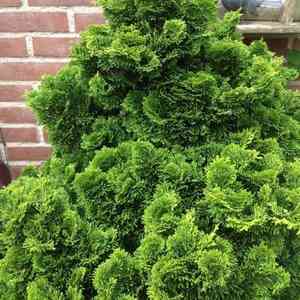
This perennial evergreen is prized for its abundant leaves and traditional silhouette. For hinoki cypress, trimming ought to focus on thinning cuts to preserve its inherent structure. Cut away any lifeless, ailing, or intersecting branches, particularly within the plant's core. The most suitable period for pruning is in winter when the plant is inactive. Pruning stimulates robust development and boosts air movement, potentially increasing its resilience to ailments. Caution must be exercised to prevent severe cutting, as hinoki cypress struggles to produce fresh shoots from mature wood.
What Are the Benefits of Pruning Hinoki Cypress?
What Are the Benefits of Pruning Hinoki Cypress?
Trimming hinoki cypress promotes robust development and preserves its desired form. Precise cuts enhance light penetration and air movement, fostering a strong structure and preventing illness.
What Is the Best Time for Pruning Hinoki Cypress?
What Is the Best Time for Pruning Hinoki Cypress?
Winter is considered ideal for trimming hinoki cypress primarily due to its dormant state during this period. Growth activity is minimal, and the plant is less vulnerable to stress and diseases that can be introduced through pruning cuts. Without leaves, the structure of hinoki cypress is more visible, allowing for clearer, more strategic pruning decisions. Furthermore, pruning before the spring growth surge helps hinoki cypress direct energy towards desirable new growth and recovery. Avoiding the blooming or fruiting phases ensures that the plant's aesthetic and reproductive capabilities are not negatively impacted by pruning.
What Tools Do I Need to Prune Hinoki Cypress?
Bypass Pruners
Hinoki cypress's delicate foliage and slender branches can be easily severed with sharp bypass pruners. This instrument creates clean cuts, vital for the plantâs well-being and promoting recovery.
Hedge Shears
For shaping hinoki cypress, hedge shears are appropriate as they enable a more consistent trimming of its foliage, especially when forming hedges or sculpted designs.
Pole Pruner
When dealing with hinoki cypressâs taller specimens, a pole pruner is essential to safely reach elevated branches without requiring a ladder.
Pruning Saw
For thicker branches that bypass pruners cannot manage, a pruning saw with fine teeth is perfect for cutting without causing undue harm to hinoki cypress.
Gloves
When trimming hinoki cypress, gloves safeguard hands from the somewhat sharp foliage and improve grip on the pruning implements.
Loppers
Loppers are utilized for branches too thick for bypass pruners but still within reach without additional elevation; they offer leverage to make clean cuts on hinoki cypress.
How to Prune Hinoki Cypress
Step1: Tool Sanitization
Disinfect your pruning tools. Before you begin trimming hinoki cypress, clean your pruning shears with a sanitizing agent to prevent disease transmission. Use alcohol wipes or a bleach-water solution for this purpose.
Step2: Dead Wood Identification
Locate dead wood. Search for branches that are discolored, brittle, and show no signs of green growth. These are likely deceased and should be removed to maintain the health and appearance of hinoki cypress.
Step3: Removing Dead Branches
Trim dead wood. Cut dead branches back to where you observe green growth, ensuring a clean cut without leaving a stub. The cut should be made just above a healthy cluster of branches or foliage.
Step4: Damaged Twig Evaluation
Assess damaged twigs. Examine hinoki cypress for twigs that have been harmed by weather, pests, or disease. Damaged twigs might appear broken, discolored, or withered.
Step5: Damaged Twig Removal
Eliminate damaged twigs. Trim these twigs back to a point of healthy wood, ideally just above a node or side branch. Removing them helps prevent further damage and disease.
Step6: Plant Interior Assessment
Evaluate hinoki cypress's interior. Hinoki cypress tends to have a dense growth habit, which can lead to poor air circulation and reduced light penetration, potentially encouraging disease and pests.
Step7: Thinning for Air and Light
Thin the interior. Carefully thin out the interior by removing some of the smaller branches and twigs throughout the canopy. This promotes better air circulation and allows more light to reach the inner branches.
Step8: Pruning Limitation
Avoid excessive pruning. When shaping or thinning hinoki cypress, aesthetically prune no more than one-fourth of the living branches to maintain tree health. This type of pruning should be done gradually over time.
Step9: Pruning Debris Disposal
Discard cuttings. Remove all pruning debris from the area around hinoki cypress to prevent the spread of any diseases or pests that might have been present on the cuttings.
Step10: Post-Pruning Care
Water and mulch after pruning. Ensure hinoki cypress receives adequate water and consider adding mulch to conserve soil moisture and provide nutrients, which will help the plant recover from pruning stress.
Step11: Growth Monitoring
Observe hinoki cypress's response. Over the following weeks, keep an eye on hinoki cypress to watch for new growth and signs of recovery. Proper aftercare is crucial after pruning to ensure the health of hinoki cypress.
Post-Pruning Care for Hinoki Cypress
Post-Pruning Care for Hinoki Cypress
Immediately after trimming hinoki cypress, water thoroughly to lessen transplant shock. Ensure it resides in a spot with bright, indirect light and maintain humidity with regular misting. Avoid sudden temperature changes. Post-pruning, postpone fertilization for a month to allow hinoki cypress to recuperate, then resume with a balanced, slow-release fertilizer. Monitor hinoki cypress for browning foliage or oozing sap, indicators of stress or infection. If present, adjust care or consult a professional. Consistent observation is vital for hinoki cypress's recovery and growth.
Common Pruning Mistakes with Hinoki Cypress
Overly Aggressive Pruning Harms Growth
Trimming too aggressively, which can result in sparse growth as hinoki cypress does not respond well to severe cutting back into mature wood.
Dull Tools Cause Tearing and Disease
Utilizing dull or unclean pruning tools, which can cause tearing of the branches and introduce disease to hinoki cypress.
Lack of Pruning Objective Affects Shape
Pruning without a clear goal, leading to an unbalanced or unnatural shape for hinoki cypress. This can negatively impact its decorative value.
Excessive Canopy Removal Stresses Plant
Removing too much of the canopy at once, which can stress hinoki cypress and reduce its vitality.
Indiscriminate Pruning Can Create Bare Patches
Cutting into the whorls of foliage without discretion, which can create bare areas because hinoki cypress may not regrow foliage in these spots.
Common Pruning Tips for Hinoki Cypress
Use Sharp, Clean Tools for Healthy Cuts
Employ sharp, clean pruning tools specifically designed for the task to make precise cuts that promote rapid healing for hinoki cypress.
Prune Selectively to Maintain Natural Shape
Trim selectively, focusing on removing only the dead, diseased, or overcrowded branches to preserve the natural pyramidal shape of hinoki cypress.
Respect Natural Contours When Shaping
When shaping hinoki cypress, follow its inherent contours, and avoid shearing unless necessary for hedge cultivation, as this can compromise the characteristic fan-shaped foliage.
Thinning Cuts Improve Light and Air Flow
Practice thinning cuts, which involves removing entire branches back to their point of origin, to increase light penetration and air circulation within hinoki cypress's canopy.
Enhance Natural Form Through Purposeful Pruning
Always prune with the objective of enhancing hinoki cypress's natural form, rather than attempting to force it into an unnatural shape or size for its growing environment.



