How to Prune Sawara cypress?
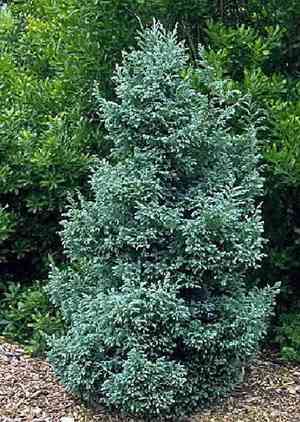
The sawara cypress, a coniferous evergreen characterized by scale-like foliage and a conical form, thrives with judicious trimming. Essential methods involve reducing dense branches to improve air movement, sculpting for visual appeal, and excising deceased or ailing timber. The most favorable period for pruning is during winter dormancy, which lessens plant stress and sap leakage. Trimming this variety can foster more compact foliage and preserve its decorative look, simultaneously averting potential fungal problems stemming from inadequate ventilation.
What Are the Benefits of Pruning Sawara Cypress?
What Are the Benefits of Pruning Sawara Cypress?
Trimming sawara cypress promotes a strong framework, encouraging vigorous development. It enables gardeners to maintain the desired form and dimensions, enhancing both vitality and aesthetic appeal.
What Is the Best Time for Pruning Sawara Cypress?
What Is the Best Time for Pruning Sawara Cypress?
Trimming sawara cypress from late winter to early spring is ideal because the plant remains dormant, minimizing stress and improving structural visibility without leaves. It also prevents the potential spread of diseases more active in warmer months. This timing allows for robust spring growth to fill in pruned areas, maintains the health of sawara cypress, and ensures new cuts heal before the growing season. Avoid pruning in late summer or fall, as new growth might not harden off before winter, making sawara cypress susceptible to damage.
What Tools Do I Need to Prune Sawara Cypress?
Hand Pruners
Perfect for precise trimming of sawara cypress's smaller branches and twigs due to their sharp blades and ability to make clean cuts without harming the plant.
Lopping Shears
Useful for cutting through thicker branches of sawara cypress that hand pruners cannot manage, ensuring quick and efficient trimming.
Pruning Saw
Essential for removing large, mature branches from sawara cypress, allowing for control and safety when dealing with significant cuts.
Hedge Shears
Effective for shaping and maintaining the dense foliage of sawara cypress, enabling even trimming of the outer surfaces.
Pole Pruner
Recommended for reaching higher branches of sawara cypress without needing a ladder, increasing safety during the trimming process.
How to Prune Sawara Cypress
Clean Tools
Before beginning, ensure all trimming tools are clean and sharp to prevent disease spread and to make clean cuts on sawara cypress.
Inspect
Examine sawara cypress thoroughly for dead or diseased branches, which are often discolored, brittle, or showing signs of fungal growth.
Cut Diseased
Using bypass pruners or a saw for thicker branches, remove any diseased branches by cutting where they meet healthy wood, but avoid cutting into healthy sections.
Remove Dead
Carefully remove dead branches by cutting them at the base where they attach to the main stem or another branch, taking care not to harm the healthy parts of sawara cypress.
Dispose
Discard all removed material promptly and away from healthy sawara cypress to prevent potential disease spread.
Common Pruning Mistakes with Sawara Cypress
Overpruning
Removing too much foliage at once can stress sawara cypress, leading to poor growth or illness.
Improper Cut Location
Cutting too far from a bud or too close can hinder proper healing and new growth.
Disregarding Natural Shape
Trimming sawara cypress into an unnatural shape can weaken its structure and diminish its ornamental value.
Using Dull Tools
Dull trimming tools can cause jagged cuts that are more prone to disease and pest infestation.
Neglecting Disinfection
Forgetting to disinfect tools between cuts, especially when moving between diseased and healthy plants, can spread pathogens.
Common Pruning Tips for Sawara Cypress
Selective Thinning
Remove chosen branches to thin out dense growth, which encourages airflow and reduces disease risk without altering the natural form of sawara cypress.
Cut Angle
Make cuts at a slight angle, away from the bud, to promote water runoff and prevent decay.
Maintenance Pruning
Regularly remove dead, diseased, or damaged branches to maintain the health and aesthetics of sawara cypress.
Tool Maintenance
Keep trimming tools sharp and clean to ensure precise cuts that sawara cypress can heal from quickly.
Understand Growth Pattern
Having a grasp on how sawara cypress grows can guide trimming decisions for promoting the desired shape and size while ensuring plant health.



