How to Prune Atlantic white cedar?
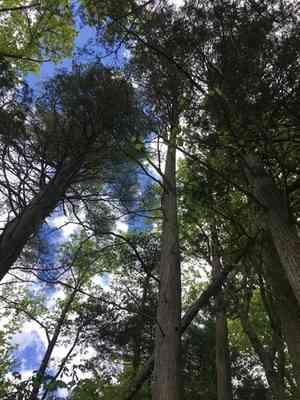
This evergreen conifer, which develops slowly, flourishes in moist environments and possesses foliage resembling scales. Trim atlantic white cedar during the latter part of winter, prior to the emergence of fresh shoots. Eliminate any lifeless or compromised limbs, and reduce crowded sections to enhance air movement. Gently sculpt the plant, refraining from drastic cuts as it might not recuperate. Trimming preserves its vitality, stimulates fresh development, and wards off ailments while honoring its inherent, pyramidal form.
What Are the Benefits of Pruning Atlantic White Cedar?
What Are the Benefits of Pruning Atlantic White Cedar?
Trimming atlantic white cedar encourages robust development and preserves its desired form. Prompt removal of dead or crowded limbs ensures strong vitality and enhances the plant's visual appeal.
What Is the Best Time for Pruning Atlantic White Cedar?
What Is the Best Time for Pruning Atlantic White Cedar?
Trimming atlantic white cedar in late winter, just prior to the start of spring growth, enables gardeners to shape the plant and eliminate any damaged or diseased branches without risking harm that could arise from fall pruning, such as winter damage. This timing also prevents cutting off new growth, which is crucial as it might diminish the plant's vigor. Late winter pruning ensures wounds heal rapidly with the spring growth surge, lessening the chance of disease and pest entry. Pruning during this dormant period minimizes stress on atlantic white cedar, as the plant can focus its energy on healing and new growth, maintaining its overall health and structure.
What Tools Do I Need to Prune Atlantic White Cedar?
Bypass Pruners
Given that atlantic white cedar possesses relatively slender twigs and foliage, bypass pruners are appropriate for making clean cuts on small branches without crushing plant tissue, promoting healthier regrowth.
Hedge Shears
For shaping atlantic white cedar hedges, hedge shears allow for uniform trimming of the foliage. As atlantic white cedar is frequently utilized as a hedge plant, this tool helps maintain a tidy appearance with minimal leaf damage.
Pole Pruner
To reach higher branches without a ladder, a pole pruner assists in the safe trimming of atlantic white cedar. This tool prevents injury to both the gardener and the plant by enabling cuts from the ground.
Loppers
For thicker branches too large for bypass pruners, loppers provide the necessary leverage to make clean cuts on atlantic white cedar without tearing the bark.
Pruning Saw
If atlantic white cedar has branches exceeding two inches in diameter, a pruning saw can be used for precise cuts. The saw's design permits cutting through larger wood without harming surrounding growth.
How to Prune Atlantic White Cedar
Clean tools
Before trimming atlantic white cedar, ensure all tools are properly cleaned and sanitized to prevent disease transmission.
Inspect
Carefully examine atlantic white cedar for any dead or diseased branches. Look for branches with discolored bark, absence of foliage, or visible signs of infection.
Prune dead
Using sharp pruning shears, cleanly cut dead branches where they meet healthy wood. Make the cut just outside the branch collar without damaging it to encourage proper healing.
Prune diseased
For diseased branches on atlantic white cedar, trim them back to healthy tissue. If the entire branch is affected, remove it at its base, ensuring not to spread the disease to healthy parts.
Dispose
Properly discard the removed dead and diseased branches by burning them or placing them in sealed bags to prevent disease spread to other plants.
Common Pruning Mistakes with Atlantic White Cedar
Over pruning
Removing too much foliage can stress atlantic white cedar, potentially leading to weakened growth and increased susceptibility to diseases.
Ignoring natural shape
Not considering the natural pyramidal shape of atlantic white cedar can result in a loss of aesthetic form and structural integrity.
Pruning into old wood
Cutting back into old, leafless wood can be harmful since atlantic white cedar may not readily sprout new growth from such zones.
Uneven cuts
Making uneven or jagged cuts can increase the risk of pest infestation and disease by creating larger wounds that heal slowly.
Tool misuse
Using dull or unclean tools can damage branches and increase the risk of disease transmission.
Common Pruning Tips for Atlantic White Cedar
Sharp tools
Using sharp, clean tools ensures precise cuts that heal quickly, reducing potential stress on atlantic white cedar.
Natural form
When pruning, aim to maintain the natural shape of atlantic white cedar, enhancing its growth habit rather than altering it.
Disease prevention
Remove any dead, diseased, or damaged branches as they are identified to help prevent the spread of disease within atlantic white cedar.
Gradual pruning
Instead of heavy pruning, practice moderate and regular trimming to maintain shape and health without causing shock to atlantic white cedar.
Targeted pruning
Selective pruning of crossing or rubbing branches helps to improve air circulation, reducing the likelihood of diseases.



