How to Prune Parlor palm?
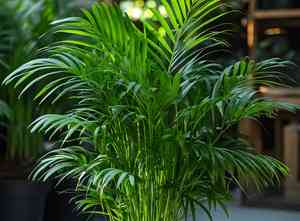
Originating from tropical forest floors, the parlor palm flourishes indoors with little upkeep. Remove withered or discolored fronds at their base using sanitized clippers to stimulate development and preserve its form. Cut back flower stems once blossoms have faded to channel energy towards the leaves. The most opportune time for trimming is in late winter or early spring, leveraging the plant's inherent surge in growth. Advantages encompass enhanced vitality, visual appeal, and regulated expansion. Refrain from over-pruning to safeguard its fragile constitution.
Advantages of Trimming Parlor Palm
Advantages of Trimming Parlor Palm
Trimming parlor palm promotes robust development and maintains its form, ensuring a lush, compact look suitable for confined indoor areas. Consistent trimming prevents excessive growth, which can lead to tangling and an untidy appearance.
Optimal Time for Pruning Parlor Palm
Optimal Time for Pruning Parlor Palm
Trimming parlor palm in late winter or early spring coincides with the end of dormancy and just before active growth begins. Pruning at this time encourages healthy new growth, allows for quick recovery, and avoids stress from cutting during active growth or flowering. Additionally, removing dead or yellowing fronds before the growing season enhances the plant's look and health, reducing disease risk. This period is also energy-efficient for parlor palm as it hasn't yet invested energy in new growth.
Essential Tools for Pruning Parlor Palm
Sharp Scissors or Snips
Perfect for precise cuts on parlor palm's slender, delicate fronds. These tools ensure clean cuts without harming plant tissues, vital for disease prevention.
Sterilizing Agent (e.g. Rubbing Alcohol or Bleach Solution)
Required to sanitize cutting tools before and after use to prevent the transmission of pests and diseases to or from parlor palm.
Gloves
Helpful for hand protection while pruning parlor palm, as some individuals may have sensitive skin irritated by plant sap or sharp leaf edges.
Pruning Shears
Suitable for removing thicker stems or brown fronds that scissors might not handle, ensuring a clean cut for parlor palm's well-being and aesthetic.
How to Prune Parlor Palm
Step1: Initial Plant Evaluation
Examine parlor palm for any yellow leaves, withered branches, or dead fronds before starting the pruning process. This initial assessment helps identify which parts need trimming, allowing for a targeted approach that minimizes plant stress.
Step2: Sterilize Pruning Tools
Use sharp, clean pruning shears or scissors. Disinfect the blades with rubbing alcohol or a bleach solution to prevent disease spread during pruning.
Step3: Remove Yellow Leaves
Begin by removing yellow leaves. Gently pull the yellow leaf away from parlor palm's main stalk and make a clean cut where the leaf stem meets the stalk. Avoid tearing plant tissue to prevent damage.
Step4: Prune Withered Branches
Next, prune withered branches. Identify the dry and brittle branch. Trace it back to healthy growth. Make a diagonal cut just above a node or leaf to stimulate new growth.
Step5: Trim Dead Fronds
Trim dead fronds by cutting them at the base, near the soil line. Ensure you don't cut too close to the main stem to avoid injuring parlor palm.
Step6: Shape Plant After Trimming
After trimming necessary parts, gently shape parlor palm by snipping any irregular growth to maintain a balanced appearance. Prune sparingly, as parlor palm responds better to minimal pruning and can be sensitive to over-trimming.
Step7: Dispose of Pruning Debris
Promptly discard all removed material to prevent pests or diseases from spreading in the gardening area.
Step8: Water Plant Post-Pruning
Water parlor palm after pruning to help alleviate any stress caused by the trimming process. Ensure proper drainage to prevent waterlogging, which can lead to root rot.
Step9: Monitor Plant Health
Observe parlor palm over the next few days for signs of stress or disease. Proper aftercare will help parlor palm recover faster and continue to thrive.
Step10: Routine Pruning Schedule
Schedule regular pruning for parlor palm, ideally during the growing season, to maintain health and appearance. Always perform selective trimming to avoid shock and keep parlor palm in prime condition.
Post-Pruning Care for Parlor Palm
Post-Pruning Care for Parlor Palm
After pruning, parlor palm needs proper care to aid recovery. It's vital to keep the plant in filtered light, avoiding direct sun. Maintain high humidity and a stable temperature of 65-80°F. Lightly moisten soil without overwatering. Apply a balanced, slow-release fertilizer to support new growth. Monitor parlor palm for wilting or discoloration, indicating stress or infection. Regularly check for pests on freshly cut areas and apply appropriate treatments if necessary.
Common Pruning Errors with Parlor Palm
Excessive Pruning Hinders Growth
Pruning too aggressively, which can stress parlor palm and impede its growth.
Infection Risk from Dull, Dirty Tools
Using unsanitized or dull pruning tools, increasing the chance of infection and harm to the plant.
Reduced Photosynthesis by Cutting Green Fronds
Removing green fronds instead of only brown or yellow ones, which can diminish the plant's ability to photosynthesize effectively.
Inhibited Blooming from New Growth Removal
Cutting off new growth or flower stalks, preventing potential flowering and full foliage development.
Structural Damage from Torn Fronds
Tearing or ripping fronds instead of making clean cuts, which can damage the plant's structure and appearance.
General Pruning Advice for Parlor Palm
Sterile Sharp Shears for Healthy Cuts
Use sharp, clean pruning shears to make precise cuts, minimizing stress and disease risk for parlor palm.
Prune Dead Fronds to Boost Health
Only prune dead or yellowing fronds close to the base to maintain parlor palm's aesthetics and health.
Deadhead Flowers to Encourage Foliage Growth
Clip any flowering stalks once flowers have faded to direct more energy towards foliage growth.
Moderate Pruning Protects Sparse Foliage
Be conservative when pruning; less is more with parlor palm due to its slow growth rate, and excessive pruning can lead to sparse foliage.
Regular Pest Checks to Preserve Health
Inspect parlor palm regularly for pests and promptly remove any infested fronds to prevent spread and maintain the plant's health.



