How to Prune Wavy-leaf soap plant?
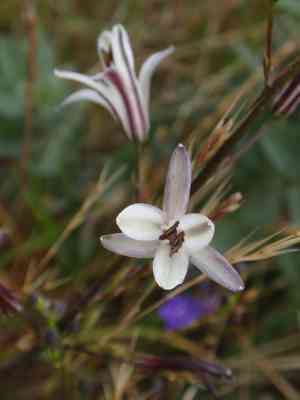
This perennial, characterized by its bulbous base, undulated leaf margins, and elevated floral stems, thrives with regular trimming to preserve its vitality and aesthetic. Essential pruning practices for wavy-leaf soap plant include excising spent or wilting blossoms and seed capsules to stimulate fresh development. The most effective time for pruning spans from the beginning of spring until late autumn, coinciding with the plant's inactive phase. Pruning during this interval fosters robust growth in spring, while also contributing to a decrease in pest issues and the dissemination of diseases.
What Are the Benefits of Pruning Wavy-leaf Soap Plant?
What Are the Benefits of Pruning Wavy-leaf Soap Plant?
Trimming wavy-leaf soap plant promotes robust development by eliminating dead or weaker shoots, fostering a strong structure. It also preserves the plant's form, enhancing its visual appeal and improving light penetration and air circulation, which are crucial for its well-being.
What Is the Best Time for Pruning Wavy-leaf Soap Plant?
What Is the Best Time for Pruning Wavy-leaf Soap Plant?
Trimming wavy-leaf soap plant is best done from early spring to late fall due to several considerations. In early spring, the plant is just emerging from dormancy, making it an ideal time to remove any dead or damaged foliage from winter without affecting its upcoming growth. This timing allows wavy-leaf soap plant to channel energy into new, healthy development. During the active growth period, selective pruning can be performed to shape the plant and maintain its desired form. Pruning in late fall, after the main growth phase, helps prepare wavy-leaf soap plant for winter by removing any unhealthy or excess growth that could harbor pests or diseases. It also reduces the plant's energy expenditure on maintaining this growth over the cold months. The chosen pruning seasons avoid the flowering period around late spring to early summer, preventing disruption of blooms and potential seed formation.
What Tools Do I Need to Prune Wavy-leaf Soap Plant?
Hand Pruners
For precise trimming of wavy-leaf soap plant's leaves and removal of dead or yellowing foliage, high-quality hand pruners with a bypass blade design are recommended as they create clean cuts that heal more quickly, reducing the risk of disease.
Gardening Shears
For shaping and managing the size of wavy-leaf soap plant, gardening shears can be used to cut through soft stems and larger leaves with minimal harm to the plants.
Long-Handled Loppers
When thinning out congested areas or cutting through thicker stems that hand pruners cannot manage, long-handled loppers provide the necessary leverage and reach without damaging surrounding growth.
Pruning Saw
For removing older, woody stems of wavy-leaf soap plant that may have become tough over time, a pruning saw is essential. Its serrated blade allows for cutting through thicker growth without causing fraying or excessive harm to the plant.
Gloves
Thick gloves are crucial to protect the gardener's hands from sharp edges and the sap of wavy-leaf soap plant, which may cause irritation to sensitive skin.
How to Prune Wavy-leaf Soap Plant
Step1: Assessment of Dormant Plant
Evaluate wavy-leaf soap plant in late winter or early spring, before new growth starts, to identify dead foliage that requires trimming. This is when the plant is inactive, and pruning will cause the least amount of stress.
Step2: Sanitize Pruning Tools
Disinfect your pruning shears with rubbing alcohol or a household cleaner to prevent the spread of disease. Always clean the shears before making cuts on wavy-leaf soap plant.
Step3: Wear Protective Gear
Put on gloves to shield your hands from the sap, which might be irritating to some individuals' skin. Wear safety glasses to protect your eyes from potential sap splatters or flying debris.
Step4: Identify Dead Foliage
Locate the base of the dead foliage. Trace it back to its origin point on the plant, ensuring it is dead material and not live foliage. Dead foliage might be brown, brittle, and easily broken, contrasting with any potential green, flexible live foliage.
Step5: Clean Removal of Dead Foliage
Make a clean cut with your shears to remove dead foliage at the base where it emerges from the main part of wavy-leaf soap plant. Avoid tearing or ripping, which can cause unnecessary damage to the plant's living tissues.
Step6: Dispose of Pruned Material
Discard the cut material into a compost bin or according to local garden waste disposal regulations. Do not leave the debris around wavy-leaf soap plant as it may encourage pests or diseases.
Step7: Post-Prune Plant Inspection
Inspect the plant thoroughly after the initial round of pruning for any signs of disease or additional dead material that may have been overlooked.
Step8: Water Plant if Necessary
Water the base of wavy-leaf soap plant if the soil is dry, to help the plant recover from the minor stress of pruning. Ensure not to over-water, as this can harm the plant.
Step9: Monitor for New Growth
Observe wavy-leaf soap plant for new growth as the growing season progresses. Healthy new foliage should appear where the old material was removed.
Step10: Maintenance of Pruning Tools
Maintain your pruning tools by sharpening the blades and oiling the pivots to ensure they are ready for future use.
Post-Pruning Care for Wavy-leaf Soap Plant
Post-Pruning Care for Wavy-leaf Soap Plant
Immediately after trimming wavy-leaf soap plant, water the soil to aid recovery, avoiding waterlogged conditions. Keep wavy-leaf soap plant in partial sun, ensuring a stable temperature and moderate humidity to prevent stress. Apply a balanced, slow-release fertilizer to nourish wavy-leaf soap plant without overfeeding. Regularly check for wilted leaves or discoloration as indicators of distress. If such symptoms are observed, adjust care variables and consult a horticultural expert for potential disease management.
Common Pruning Mistakes with Wavy-leaf Soap Plant
Avoid Excessive Pruning
Over-trimming wavy-leaf soap plant, which can deplete its energy reserves and hinder its ability to recover and thrive.
Do Not Prune Flower Stalks Prematurely
Cutting wavy-leaf soap plant's flower stalks too soon, thereby removing potential seed heads that can contribute to the plant's natural propagation.
Always Use Clean and Sharp Pruning Tools
Using dirty or dull tools, which can damage wavy-leaf soap plant's tissues and introduce diseases to the plant.
Common Pruning Tips for Wavy-leaf Soap Plant
Prune with Clean, Sharp Tools for Healthy Cuts
Use clean, sharp tools to make precise cuts on wavy-leaf soap plant, minimizing harm to the plant and promoting quicker healing.
Prune After Blooming to Strengthen Bulb
Trim spent flower stalks of wavy-leaf soap plant after blooming, leaving the foliage to continue photosynthesis and strengthen the bulb for the next season.
Thin Out to Increase Light and Air Circulation
Thin out crowded growth of wavy-leaf soap plant to allow light and air to reach all parts, which encourages healthy growth and reduces the risk of disease.



