How to Prune Vasevine?
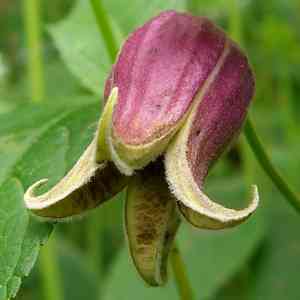
A cherished climbing plant recognized for its campanulate blossoms, vasevine thrives with trimming to preserve its structure and foster development. Perform pruning in late winter or early spring by eliminating any lifeless or frail stalks. After the blooming period, cut back the plant to encourage the emergence of new flower-producing branches. Pruning prior to the onset of fresh growth guarantees a spectacular floral exhibition. This practice improves the plant's well-being, prevents excessive expansion, and stimulates abundant flowering while upholding its preferred dimensions and configuration.
What Are the Benefits of Pruning Vasevine?
What Are the Benefits of Pruning Vasevine?
Trimming vasevine promotes abundant flowering, maintains a manageable shape, and revitalizes its growth, ensuring a robust, visually appealing presence in the garden.
What Is the Best Time for Pruning Vasevine?
What Is the Best Time for Pruning Vasevine?
Trimming vasevine in early spring is advantageous as the plant is just emerging from dormancy, allowing gardeners to clearly see its structure and determine which parts require removal without foliage obstruction. This timing also prevents potential disease entry and stress on vasevine, as cuts can heal quickly with the onset of the growing season. Furthermore, pruning before the spring growth spurt means there's less chance of removing new buds, ensuring the plant reaches its full flowering potential. Conversely, pruning vasevine in winter, while the plant is dormant, is also beneficial. It minimizes the risk of disease spread, as many pathogens are inactive then. This period also allows for correcting any unwanted or damaged growth without affecting the upcoming growth cycle.
What Tools Do I Need to Prune Vasevine?
Bypass Pruners
Perfect for making clean cuts on vasevine's thinner stems and vines, bypass pruners inflict less damage on the plant's delicate tissues.
Pruning Saw
For older, woodier vasevine stems that bypass pruners can't handle, a pruning saw facilitates cutting without harming the plant.
Gardening Gloves
Protects the gardener's hands from thorns and plant sap while trimming vasevine, ensuring a safer gardening experience.
Loppers
Useful for reaching into denser areas of vasevine to trim unruly stems, providing leverage for precise, larger cuts without damaging surrounding growth.
How to Prune Vasevine
Clean
Before beginning, sanitize pruning tools with isopropyl alcohol or a bleach solution to prevent disease spread to vasevine. Ensure tools are sharp for clean cuts without damaging plant tissue.
Remove Diseased Parts
Carefully trim away any diseased leaves and branches from vasevine. Make cuts just above a healthy set of leaves or a growth node. Properly dispose of diseased material to avoid contamination.
Cut Dead Material
Prune dead branches by cutting them where they meet healthy wood. For withered leaves and faded flowers, snip them off close to the main stem without harming nearby buds.
Shape Plant
After removing unhealthy and dead material, lightly trim vasevine to maintain its desired shape. Prune sparingly, as excessive trimming can stress the plant.
Mulch And Water
After pruning, apply a layer of mulch around the base of vasevine to help retain soil moisture and protect the roots. Water the plant to aid in recovery after the trimming process.
Common Pruning Mistakes with Vasevine
Overpruning
Removing too much growth, which can stress vasevine and lead to poor blooming or even plant demise.
Cutting Too Close
Cutting stems too near the main vine, which might harm the plant's structure or create entry points for disease.
Using Dull Tools
Employing dull pruning tools can result in jagged cuts that heal slowly and make vasevine vulnerable to pests and diseases.
Ignoring Dead Heads
Failing to remove dead or faded flowers, which can restrict new growth and reduce the overall vitality of vasevine.
Pruning Without Cleaning
Not sanitizing tools before and after trimming vasevine, which can transmit diseases between plants.
Neglecting Plant Structure
Not considering the natural growth habit and structure of vasevine when pruning, leading to an unnatural appearance or reduced flowering.
Common Pruning Tips for Vasevine
Selective Pruning
Selective pruning promotes healthy growth and flowering by focusing on removing only dead or weak stems.
Angled Cuts
Make angled cuts just above a healthy bud or leaf node to facilitate water runoff and minimize disease risk.
Gradual Pruning
Adopt a gradual trimming approach over several seasons to avoid shocking vasevine and to maintain its shape and health.
Clean Tools
Use clean, sharp tools for making precise cuts that heal quickly, reducing the risk of disease and pests attacking vasevine.
Post Bloom Pruning
Prune immediately after vasevine's blooming cycle, as this is when trimming will have the least impact on flower production.
Layering Method
Utilize the layering method to encourage vasevine to produce more stems from the base, which can result in a fuller plant with more blooms.



