How to Prune Devil's darning needles?
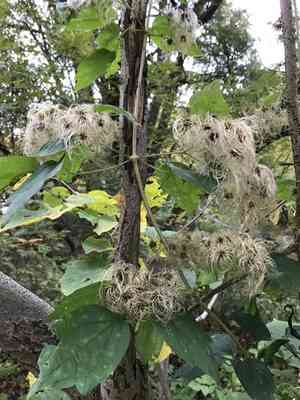
This rapidly expanding climbing perennial, characterized by its abundant leaves and clusters of white blossoms, significantly thrives with regular trimming. For devil's darning needles, perform cuts in early spring or during winter, right before fresh development commences. Concentrate on eliminating lifeless or frail stalks to sustain robustness and form, and to encourage more compact growth. Trimming can also manage dimensions, avert intertwining, and enhance air circulation, thereby reducing the likelihood of ailments. Accurate incisions above a pair of robust buds guarantee vigorous regeneration. Pruning proves particularly advantageous for revitalizing mature specimens.
What Are the Benefits of Pruning Devil's Darning Needles?
What Are the Benefits of Pruning Devil's Darning Needles?
Trimming devil's darning needles promotes abundant flowering, stimulates vigor, and maintains a tidy shape, crucial for attractive landscaping and plant well-being.
What Is the Best Time for Pruning Devil's Darning Needles?
What Is the Best Time for Pruning Devil's Darning Needles?
Trimming devil's darning needles in early spring is advantageous as it coincides with the end of dormancy, just before new growth emerges. This timing allows for the removal of dead or damaged wood and shaping without affecting the current season's blooms, as it flowers on new growth. Winter pruning is also suitable when the plant is fully dormant, minimizing disease risk and reducing stress on devil's darning needles. Dormant pruning also offers a clear view of the plant's structure, aiding more effective trimming.
What Tools Do I Need to Prune Devil's Darning Needles?
Hand Pruners
For precise cuts on devil's darning needles's thinner stems, hand pruners offer a clean incision, are easy to handle, and cause minimal plant damage. They are perfect for deadheading and shaping the plant.
Loppers
When dealing with thicker stems or slightly out-of-reach areas, loppers have longer handles and provide greater leverage to cut through devil's darning needles's stems cleanly without straining the gardener's hands.
Pruning Saw
For the oldest and thickest stems of devil's darning needles, a pruning saw may be necessary. Its sharp teeth and ergonomic handle allow for cutting without harming the surrounding growth.
Gloves
To protect the gardener's hands from thorns and sap, gloves are essential when pruning devil's darning needles. They also provide a better grip on the tools.
Garden Shears
For quick snips and trimming lighter foliage of devil's darning needles, garden shears are more efficient than hand pruners and allow for shaping the plant with ease.
How to Prune Devil's Darning Needles
Step1: Type Identification
Identify the Clematis Type: Since devil's darning needles belongs to the Type 3 pruning group of clematis, which flowers on new growth, it should be pruned in late winter or early spring before active growth begins.
Step2: Tool Preparation
Prepare Tools: Use clean, sharp pruning shears or secateurs. Sterilize them with alcohol or a bleach solution to prevent disease transmission.
Step3: Dead Flower Removal
Remove Dead Flowers: Locate spent flowers to prevent self-seeding and encourage new growth. Cut just above a set of strong leaf axils/buds.
Step4: Disease Elimination
Prune Diseased Wood: Identify any stems or branches that show signs of disease. Cut them back to healthy tissue, ideally leaving no diseased material behind.
Step5: Damage Trimming
Trim Damaged Stems: Look for stems that are broken, damaged by weather, or have been affected by pests. Prune these stems back to a healthy part of the plant, ensuring a clean cut.
Step6: Intense Reduction
Cut Back Vigorously: Since devil's darning needles can handle heavy pruning, cut the plant back to about 12-18 inches from the ground, leaving two to three pairs of healthy buds on each stem.
Step7: Strategic Shaping
Shape the Plant: After the main pruning, shape the devil's darning needles to promote a pleasing form and ensure that it integrates well with its support structure.
Step8: Debris Disposal
Dispose of Debris: Collect and dispose of all cuttings to minimize the risk of disease or pest infestation. Do not compost diseased plant material.
Step9: Aftercare Hydration
Watering and Care Post-Pruning: Water the devil's darning needles after pruning to help recovery, and apply a balanced fertilizer to support new growth.
Step10: Growth Monitoring
Monitor Growth: Keep an eye on the devil's darning needles as it starts to grow, providing additional support and shaping as necessary throughout the growing season.
Post-Pruning Care for Devil's Darning Needles
Post-Pruning Care for Devil's Darning Needles
Immediately following pruning, devil's darning needles requires ample hydration, so water generously. Maintain a balanced environment with partial shade to protect it from high light intensity. Ensure ambient humidity to prevent desiccation and gentle air movement to reduce disease risk. After two weeks, apply a balanced, slow-release fertilizer to aid recovery. Regularly inspect for wilting or discolored foliage, indicative of stress or infection. Should these signs occur, adjust care and consider a fungicide after consulting a plant health specialist.
Common Pruning Mistakes with Devil's Darning Needles
Overpruning limits flowering and disrupts shape
Pruning too aggressively can remove potential flowering stems of devil's darning needles, resulting in less prolific blooms or impacting the plant's natural shape.
Neglecting to remove dead stems hinders plant health
Neglecting to remove dead or weak stems from devil's darning needles can lead to a tangled and unhealthy plant over time.
Dull or dirty tools can damage stems and spread disease
Using dull or dirty pruning tools can cause damage to the stems of devil's darning needles and introduce diseases.
Improper cuts may harm plant and impede healing
Cutting too close to the main stem or a leaf node might damage the plant, as it does not give devil's darning needles sufficient space to heal properly.
Ignoring flowering habits affects growth and blooms
Failure to take the plant's flowering habits into account, which is essential for knowing which stems to prune for optimal growth and bloom.
Not deadheading spent flowers reduces re-blooming
Ignoring the removal of spent flowers, which can help promote a second flush of blooms in the growing season.
Common Pruning Tips for Devil's Darning Needles
Selective thinning promotes growth and air circulation
For healthy growth, perform selective thinning of devil's darning needles by cutting at an angle just above a healthy set of leaves or a bud, encouraging new growth and better air circulation.
Remove dead stems for plant vitality and disease prevention
Regularly remove any dead or diseased stems to maintain the vitality of devil's darning needles and reduce the chance for pests and diseases to spread.
Sanitize tools to prevent disease transfer
Sanitize pruning tools before and after use on devil's darning needles to prevent the transfer of diseases from infected plants or between different parts of the same plant.
Prune according to natural growth for shape control
When pruning for shape or size control, make cuts to devil's darning needles that align with its natural growth habit so as not to disrupt its existing framework.
Maintain stem variety for health and flowering
Retain a mix of old and new stems on devil's darning needles when pruning since both can contribute to the plant's overall health and blooming potential.
Prune stems to different lengths for a natural look
Prune the stems of devil's darning needles to varying lengths to create a more natural look and prevent clumping of growth at the tops of the plants.



