How to Prune Lily of the valley?
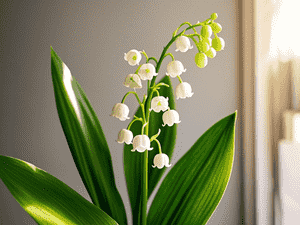
This enduring favorite, recognized for its bell-shaped, aromatic white blossoms and partiality for shaded environments, needs very little trimming. Essential methods for lily of the valley involve detaching withered flower stalks and discolored foliage, thereby boosting vitality and aesthetic appeal. Perform pruning from early spring through late summer, after blooming, to inhibit self-propagation. Judiciously trimming back leaves once they yellow helps maintain neatness and discourages unwanted organisms. The advantages of pruning encompass fostering plant well-being and guaranteeing dense, contained development in the subsequent period.
What Are the Benefits of Pruning Lily Of The Valley?
What Are the Benefits of Pruning Lily Of The Valley?
Trimming lily of the valley promotes robust development and maintains its desired form. Consistent removal of withered or discolored leaves fosters a lush, full appearance and deters potential pest issues.
What Is the Best Time for Pruning Lily Of The Valley?
What Is the Best Time for Pruning Lily Of The Valley?
Early spring provides an opportunity when lily of the valley remains inactive, minimizing stress and allowing for evaluation of any winter damage requiring removal. Late summer trimming, conversely, coincides with the conclusion of the plant's blooming phase. This timing prevents the removal of flowers, which could impact the current season's display, and enables the plant to direct its energy towards root and foliage growth before winter's arrival. Pruning during these periods helps preserve the plant's shape, encourages healthy growth and flowering, and can lessen the risk of pest and disease problems.
What Tools Do I Need to Prune Lily Of The Valley?
Hand Pruners
Perfect for making clean cuts on lily of the valley's stems during the recommended trimming period, hand pruners are precise and simple to manage for slender stems.
Garden Scissors
These are suitable for deadheading and trimming lily of the valley flowers as they offer accuracy without harming the plant's delicate stems.
Pruning Shears
Ideal for shaping lily of the valley and managing its spread, they provide greater leverage than garden scissors for slightly thicker growth.
Garden Gloves
To safeguard hands from potential skin irritation caused by lily of the valley, wearing garden gloves is advisable while pruning.
Disinfectant
Before cutting lily of the valley, tools should be sanitized to prevent disease transmission. Alcohol or a 10% bleach solution can be utilized for this purpose.
How to Prune Lily Of The Valley
Step1: Deadhead Faded Flowers
Identify spent flowers on lily of the valley. These typically appear discolored or brown and may be present at the end of the blooming season.
Step2: Snip Off Dead Blooms
Use clean, sharp pruning shears to snip off the dead flowers at their base. Make cuts just above the next leaf node to encourage healthy regrowth and maintain the plant's appearance.
Step3: Remove Damaged Leaves
Examine lily of the valley for damaged leaves that may be yellowing, have holes, or show signs of disease or pest damage. Removing these leaves helps prevent the spread of disease and improves overall plant health.
Step4: Prune at Base of Leaves
Carefully remove damaged leaves by cutting them at the base where they connect to the rhizome, taking care not to harm surrounding healthy leaves or stems.
Step5: Cut Back Withered Stems
Look for withered stems on lily of the valley which indicate that the plant has completed its life cycle for the year. Withered stems are dry and brown and no longer serve a purpose for the plant.
Step6: Clean Cuts on Withered Stems
Prune the withered stems at the base near the ground or at the point of origin from the rhizome. Ensure cuts are clean to prevent disease entry points.
Step7: Dispose of Plant Debris
Dispose of all removed plant materialâdead flowers, damaged leaves, and withered stemsâappropriately to reduce the risk of disease or pests lingering in the garden area.
Step8: Light Watering Post-Pruning
Water lily of the valley lightly if the soil is dry after pruning to help the plant recover and settle in after the pruning process.
Step9: Monitor for New Growth
Monitor lily of the valley after pruning for any signs of new growth or remaining dead material that may need attention later on.
Post-Pruning Care for Lily Of The Valley
Post-Pruning Care for Lily Of The Valley
Immediately after trimming lily of the valley, water the plant thoroughly to alleviate stress. Ensure lily of the valley receives dappled sunlight, maintain moderate humidity levels, and keep the temperature consistent. Post-pruning, apply a balanced liquid fertilizer to support new growth. Regularly check for wilting or yellowing leaves, indicating potential stress or disease. If signs of infection such as fungus appear, treat with appropriate fungicides and reduce watering to prevent further issues.
Common Pruning Mistakes with Lily Of The Valley
Improper Post-Flowering Pruning Reduces Vigor
Trimming back the foliage immediately after flowering can lessen the vitality of lily of the valley, as it requires its leaves to photosynthesize and store energy for the subsequent season.
Excessive Ground-Level Cutting Damages Rhizomes
Cutting the plant too close to the ground may harm the rhizomes from which lily of the valley grows, potentially reducing future blooming.
Over-Pruning Leaves Depletes Energy Reserves
Removing all the leaves in the belief that it will promote new growth. In fact, excessive pruning can weaken lily of the valley by depleting its energy reserves.
Unsterilized Tools Risk Disease Introduction
Pruning without sterilizing the tools, which can introduce diseases to lily of the valley and affect its overall health.
Ignoring Dead or Diseased Parts Hinders Growth
Neglecting to remove dead or diseased parts of the plant, which can inhibit the growth of lily of the valley and encourage the spread of diseases.
Common Pruning Tips for Lily Of The Valley
Prune After Foliage Yellowing to Preserve Energy
Wait until the foliage of lily of the valley has yellowed or died back naturally before pruning, as this indicates the plant has completed its energy storage cycle for the year.
Cut Above Healthy Leaves to Protect Rhizomes
When removing spent flowers or leaves, make sure to cut just above a healthy leaf to avoid damaging the rhizomes.
Sterilize Tools to Prevent Disease Spread
Sterilize pruning tools before and after use to prevent the transmission of diseases to lily of the valley or between plants.
Hand-Pull Dead Foliage to Avoid Damage
Gently pull away dead foliage by hand instead of cutting, as lily of the valley's leaves often detach easily once they have completed their lifecycle.
Regularly Remove Dead Parts for Plant Health
Inspect lily of the valley for dead or diseased foliage and stems frequently during the growing season and remove these promptly to maintain plant health and aesthetics.



