How to Prune Siberian dogwood?
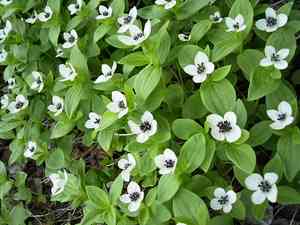
Celebrated for its vivid crimson branches, Cornus sericea is optimally trimmed in late winter or early spring to foster fresh development and sustain an impressive appearance. Essential pruning methods involve thinning out mature branches and decreasing the plant's stature by cutting back to robust buds. Strive to eliminate approximately one-third of the aged wood each year, which will stimulate the emergence of brightly colored new stems. Regular trimming also aids in preventing excessive density and enhances the plant's general well-being.
What Are the Benefits of Pruning Siberian Dogwood?
What Are the Benefits of Pruning Siberian Dogwood?
Trimming siberian dogwood promotes robust new development, highlighting the plant's vivid stems, a key decorative attribute. Strategic cutting helps maintain its form and dense habit, contributing to an attractive garden layout.
What Is the Best Time for Pruning Siberian Dogwood?
What Is the Best Time for Pruning Siberian Dogwood?
Trimming siberian dogwood in late winter or early spring is advisable as it coincides with the plant's dormant phase before new growth starts. A sleeping plant is less prone to stress and illness that can result from pruning. Furthermore, this timing allows gardeners to remove any damaged or diseased branches before the plant expends energy on new growth, fostering a healthier growth cycle. Pruning in late winter to early spring also ensures that the bright stems of siberian dogwood, a primary ornamental feature, can develop well and be visible the following winter. This cycle leverages the plant's natural rest period and prepares it for strong growth in the spring and summer months.
What Tools Do I Need to Prune Siberian Dogwood?
Bypass Pruners
Perfect for making clean cuts on young, green stems and can be used to shape siberian dogwood or remove deadwood without harming the plant's overall structure.
Loppers
With extended handles, they provide leverage to cut through thicker branches of siberian dogwood up to two inches in diameter, common for mature specimens.
Pruning Saw
Essential for removing larger branches exceeding two inches in diameter, ensuring a smooth cut that aids in proper healing.
Hand Shears
Useful for trimming smaller, finer twigs of siberian dogwood during shaping or to maintain the desired size and appearance.
Gloves
Though not a cutting tool, gloves offer hand protection during the pruning process of siberian dogwood, preventing scratches and improving grip.
How to Prune Siberian Dogwood
Clean Tools
Sanitize your pruning tools with a bleach or alcohol solution to prevent disease spread when trimming siberian dogwood.
Identify Branches
Visually inspect siberian dogwood for any branches that are dead or appear diseased. Signs of dead wood include absence of leaves, brittle branches, and dry, peeling bark.
Cut Diseased Branches
With sterilized shears, cut diseased branches at least several inches into healthy tissue to ensure all affected parts are removed. Make the cut at a 45-degree angle to promote healing and prevent water accumulation on the stump.
Remove Dead Branches
Trim dead branches by cutting them back to their point of origin or to the nearest living lateral branch that is at least one third the diameter of the branch being removed.
Clean Up
Gather all pruned offcuts and debris from around siberian dogwood to prevent disease risk and dispose of them properly, away from healthy plants.
Common Pruning Mistakes with Siberian Dogwood
Over-Pruning
Removing too much of siberian dogwood's structure can stress the plant, leading to poor growth or increased susceptibility to pests and diseases.
Improper Cuts
Incorrect cutting techniques, such as leaving stubs or cutting too close to the main stem, can damage siberian dogwood and inhibit proper healing.
Shearing
Shearing siberian dogwood into formal shapes or hedges can limit the display of its natural form, impact flowering, and result in a less hardy plant.
Pruning For Shape Only
Focusing solely on shaping siberian dogwood without considering the health and growth pattern of the plant can cause long-term damage and reduce vigor.
Common Pruning Tips for Siberian Dogwood
Sanitation
Always use clean, sharp tools to make precise cuts on siberian dogwood, reducing infection risk and promoting faster recovery.
Thin Out
Thin out older stems of siberian dogwood to encourage new growth, which is more vibrant and has better winter color.
Rejuvenation Pruning
Perform rejuvenation pruning on siberian dogwood by cutting back old stems to encourage fresh growth and maintain plant vigor.
Selective Pruning
Practice selective pruning to shape siberian dogwood, removing individual branches to improve plant structure and light penetration.



