How to Prune Silky dogwood?
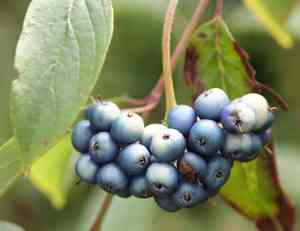
Recognized for its groupings of blue-white drupes and lustrous leaves, silky dogwood necessitates consistent trimming for peak vitality and visual appeal. Essential methods involve reducing older branches and curtailing development to preserve its form. The most suitable period for pruning is early spring, prior to the emergence of fresh growth. Trimming fosters revitalization, eliminates ailing wood, and promotes blooming and berry production, all while keeping silky dogwood at a controllable dimension. Always employ keen implements for precise incisions.
What Are the Benefits of Pruning Silky Dogwood?
What Are the Benefits of Pruning Silky Dogwood?
Trimming silky dogwood promotes robust development and maintains its form. Eliminating old or damaged wood rejuvenates the plant, ensures a compact structure, and encourages the emergence of fresh, healthy shoots.
What Is the Best Time for Pruning Silky Dogwood?
What Is the Best Time for Pruning Silky Dogwood?
Trimming silky dogwood at this time allows for the removal of any compromised or ailing branches before the plant invests energy into new leaves and blooms. Early spring pruning aligns with silky dogwood's dormant phase, minimizing plant stress. It also enables gardeners to effectively shape the plant for the upcoming growing season without affecting flowering, as silky dogwood typically blossoms on new wood. This timing ensures less risk of frost damage to fresh cuts and permits vigorous regrowth during the growing season. Additionally, cutting back in early spring prevents the potential loss of berries, which appear later and provide sustenance for wildlife.
What Tools Do I Need to Prune Silky Dogwood?
Hand Pruners
Perfect for severing stems up to 3/4 inches in diameter, hand pruners are suitable for silky dogwood's thinner branches, providing clean cuts that help prevent disease.
Loppers
Featuring longer handles and a greater cutting capacity, loppers are appropriate for branches up to 1 1/2 inches in diameter, which a silky dogwood may possess, especially in older shrubs.
Pruning Saw
For the thickest branches of silky dogwood, exceeding 1 1/2 inches in diameter, a pruning saw is appropriate. It assists in making precise cuts through larger wood without harming the plant.
Hedge Shears
Utilized for shaping silky dogwood when a formal hedge appearance is desired, hedge shears allow for uniform cutting of multiple small stems simultaneously.
Pruning Gloves
Hand protection when trimming silky dogwood, to guard against scratches and irritation from the bark or any pests.
How to Prune Silky Dogwood
Step1: Timing for Pruning
Start trimming 'silky dogwood' in late winter or early spring before new growth begins, as this is the optimal period to clearly observe the plant's structure and foster healthy development in the upcoming season.
Step2: Sanitize Pruning Tools
Disinfect pruning tools with a 10% bleach solution or rubbing alcohol to prevent disease transmission. Clean cuts are crucial for the health of 'silky dogwood'.
Step3: Prune Overgrown Shoots
Identify overgrown shoots that disrupt the natural form of 'silky dogwood'. Using sharp bypass pruners, cut these shoots back to a bud facing the plant's exterior to encourage outward growth. Make the cut at a 45-degree angle, approximately 1/4 inch above the bud.
Step4: Remove Dead Wood
Eliminate dead wood by cutting it back to healthy tissue. Identify dead branches by their brittle texture and absence of buds. Make the cut just outside the branch collar, which is the slightly swollen area where the branch connects to the main stem.
Step5: Prune Diseased Limbs
Inspect 'silky dogwood' for diseased limbs, indicated by discolored bark or the presence of fungus. Carefully prune away these limbs to prevent disease spread. Cut back to healthy tissue, well below the affected portions. Dispose of diseased material properly and do not compost.
Step6: Thin for Air and Light
Thin out the interior of 'silky dogwood' to enhance air circulation and light penetration. Remove some of the older, thicker stems at their base to encourage new growth and revitalize the plant.
Step7: Shape the Plant
Shape 'silky dogwood' as desired, keeping its natural habit in mind. For a more formal shape, make selective cuts to maintain symmetry. For a natural look, prune less vigorously and preserve the shrub's inherent form.
Step8: Clean Up Trimmings
After pruning, clear away all trimmings from around the base of 'silky dogwood' to reduce the risk of disease and pests. Compost healthy clippings and dispose of any diseased material.
Step9: Water and Mulch Post-Pruning
Water 'silky dogwood' thoroughly after pruning to help reduce stress and support recovery. Apply a layer of mulch around the base to conserve moisture and regulate soil temperature.
Step10: Monitor Plant Health
Observe 'silky dogwood' for signs of stress or disease after pruning and address any issues promptly to ensure the plant's health and vitality.
Post-Pruning Care for Silky Dogwood
Post-Pruning Care for Silky Dogwood
Immediately after trimming silky dogwood, ensure clean cuts to aid healing. Position silky dogwood in partial sun, shield from strong winds, and maintain moderate humidity. Apply a balanced fertilizer to replenish nutrients, assisting recuperation and growth. Water consistently but avoid over-saturation. Watch for wilted leaves or discoloration, indicators of stress or disease; if detected, act swiftly with appropriate plant healthcare. Monitor regularly to support silky dogwood's robust recovery and continued vitality.
Common Pruning Mistakes with Silky Dogwood
Over-Pruning
Removing too much plant material at once, which can stress silky dogwood and potentially lead to poor plant health or reduced flowering.
Using Dull or Dirty Tools
Employing dull or unsanitized pruning tools, which can result in jagged cuts and heighten the risk of disease or pest infestation in silky dogwood.
Incorrect Cutting Angle
Failing to make cuts at the proper angle, causing water to accumulate on the pruned surfaces and promoting rot or disease in silky dogwood.
Lack of Pruning Objective
Trimming without a clear purpose, such as shaping, size management, or encouraging blooms, which can lead to an undesirable plant form or hindered growth in silky dogwood.
Ignoring Dead or Diseased Wood
Neglecting to remove dead or ailing wood, which can impede new growth and potentially spread disease within silky dogwood.
Common Pruning Tips for Silky Dogwood
Remove Dead or Diseased Branches First
Begin by eliminating any dead, damaged, or diseased branches to encourage healthy growth and prevent the spread of illness in silky dogwood.
Use Sharp, Clean Cutting Tools
Utilize sharp, clean pruning shears or loppers to make precise cuts, which help silky dogwood heal faster and reduce the risk of disease.
Cut at a 45-Degree Angle for Water Runoff
Make cuts at a 45-degree angle approximately 1/4 inch above an outward-facing bud or branch, which promotes water runoff and healthy new growth in silky dogwood.
Thin for Better Airflow and Sunlight
When thinning the inner branches, focus on improving air circulation and sunlight penetration, which supports the overall health and flowering potential of silky dogwood.
Prune to Maintain Natural Shape
Preserve the natural shape of silky dogwood when pruning for size or form, to maintain its aesthetic appeal and minimize stress to the plant.
Regularly Clean Pruning Equipment
Regularly clean and maintain your pruning tools to ensure precise cuts and prevent the spread of pests and diseases during trimming sessions with silky dogwood.



