How to Prune Roughleaf dogwood?
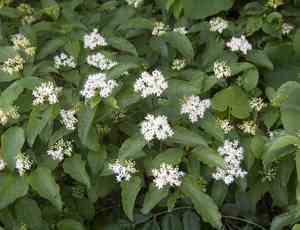
Given its characteristic dense growth, roughleaf dogwood thrives with judicious trimming to preserve its form and foster air circulation. The ideal period for pruning is from late winter to early spring, prior to the emergence of new shoots. Eliminate any dead or ailing stalks, reduce older limbs to encourage revitalization, and snip back to a bud oriented towards the intended growth trajectory. This practice boosts blooming and sustains the plant's thick, wildlife-friendly environment.
What Are the Benefits of Pruning Roughleaf Dogwood?
What Are the Benefits of Pruning Roughleaf Dogwood?
Trimming roughleaf dogwood promotes vigorous development and helps maintain its desired form. It fosters a strong structure, crucial for optimal health and aesthetic appeal.
What Is the Best Time for Pruning Roughleaf Dogwood?
What Is the Best Time for Pruning Roughleaf Dogwood?
These periods are ideal because roughleaf dogwood is in a dormant state. Pruning during dormancy minimizes stress and lowers the risk of disease spread. Furthermore, any wounds will heal more quickly as the plant enters its active growth phase in spring. For roughleaf dogwood, which blooms and fruits on new wood, late winter or early spring pruning encourages robust growth, enhancing flowering and fruiting potential. Pruning after cold weather also prevents damage to the plant from winter freezes following cuts.
What Tools Do I Need to Prune Roughleaf Dogwood?
Hand Pruners
These are essential for making clean cuts on smaller branches of roughleaf dogwood up to 3/4 inches in diameter. They allow precise control, which is necessary for shaping the plant and removing unwanted twigs.
Lopping Shears
Ideal for cutting through thicker branches of roughleaf dogwood, typically those that are between 3/4 inches to 1.5 inches in diameter. Their long handles provide leverage for cutting through tough wood without causing strain to the user.
Pruning Saw
A pruning saw is necessary for removing large branches from the roughleaf dogwood that are more than 1.5 inches in diameter. Its serrated blade makes it possible to cut through thick wood cleanly and with less effort.
Hedge Shears
Useful for shaping roughleaf dogwood when creating a hedge or when precise neatness is of less concern. These shears are good for trimming thin, soft growth to maintain a desired form.
How to Prune Roughleaf Dogwood
Step1: Tool Preparation and Sterilization
Prepare the appropriate tools for trimming roughleaf dogwood. Use clean, sharp pruning shears for smaller branches and a pruning saw for larger limbs. Also, prepare disinfectant (e.g., rubbing alcohol or a 10% bleach solution) to sterilize the tools between cuts, especially when cutting diseased sections.
Step2: Old Wood Identification
Inspect roughleaf dogwood for old wood, which typically looks duller and may have rougher bark than new growth. Identify the parts of old wood that may have become less productive or overgrown, which can impede the plantâs vigor and shape.
Step3: Pruning Old Growth
Prune old wood in late winter or early spring before new growth starts. Cut old branches at a point just above a strong, outward-facing bud or node, making the cut at a 45-degree angle about 1/4 inch above the bud to encourage new growth away from the center of roughleaf dogwood.
Step4: Removing Damaged Wood
Look for damaged wood, which may appear broken, split, or bent severely by wind or heavy snow. Remove these branches to prevent tearing that can lead to disease and to improve the appearance and structure of roughleaf dogwood.
Step5: Cutting Back to Healthy Tissue
Cut damaged wood back to the point of healthy tissue, just above a lateral branch or bud. If the damage is extensive, remove the entire limb at the base or at its point of origin from the main trunk or a larger limb.
Step6: Diseased Section Assessment
Examine roughleaf dogwood for diseased sections, indicated by discoloration, cankers, or abnormal growths. If a disease is suspected, confirm its presence and understand its type before cutting, as some diseases can be spread by pruning.
Step7: Disease Removal and Tool Sterilization
When cutting out diseased sections, make your cuts well into healthy tissue, at least 6 to 8 inches below the diseased area, to ensure that all infected parts are removed. Sterilize your cutting tools before and after each cut when dealing with diseased wood to prevent the spread of pathogens.
Step8: Shaping and Balancing the Plant
After removal of old wood, damaged wood, and diseased sections, assess the overall form of roughleaf dogwood. Focus on creating an open, balanced shape that allows light and air to penetrate the canopy, which helps reduce the likelihood of disease.
Step9: Thinning Dense New Growth
Thin out some of the new growth from the previous season if roughleaf dogwood is too dense. Remove crossing or rubbing branches and any that grow inwards towards the center of the plant.
Step10: Cleanup and Disposal
Once pruning is complete, clean up all the removed plant material from the ground to reduce habitat for pests and diseases. Dispose of diseased material properly to avoid contaminating compost or other areas of the garden.
Step11: Post-Pruning Plant Care
Water roughleaf dogwood deeply after pruning to help it recover and seal the pruning cuts. Apply a layer of mulch around the base to retain soil moisture and provide nutrients as it breaks down, but keep the mulch a few inches away from the trunk to avoid rot.
Post-Pruning Care for Roughleaf Dogwood
Post-Pruning Care for Roughleaf Dogwood
Immediately after trimming roughleaf dogwood, provide ample water to alleviate stress. Maintain a humid environment, ensuring roughleaf dogwood receives filtered sunlight and stable temperatures. Apply a balanced fertilizer to support new growth, avoiding over-fertilization which could hinder recovery. Monitor roughleaf dogwood for wilted or discolored leaves, indicating stress or disease. Promptly remove affected areas and adjust care as necessary, possibly seeking expert advice if infection signs persist.
Common Pruning Mistakes with Roughleaf Dogwood
Excessive Pruning Causes Shock and Poor Growth
Trimming too much at once which can shock roughleaf dogwood, leading to poor growth or disease vulnerability.
Dull or Unclean Tools Lead to Pest and Disease Issues
Using dull or unclean pruning tools, which can result in jagged cuts that are susceptible to pests and diseases.
Over-pruning Flowering Stems Reduces Bloom Display
Removing too many of the flowering stems, which can significantly reduce the bloom display in the following seasons.
Pruning Without Goal Results in Unbalanced Shape
Pruning without a clear reason or goal, which may lead to an unbalanced or open center that fails to support roughleaf dogwood's natural shape.
Improper Cutting into Old Wood Limits Rejuvenation
Cutting into the old, thick wood where roughleaf dogwood may not be able to easily produce new growth, thereby limiting the plant's rejuvenation.
Common Pruning Tips for Roughleaf Dogwood
Remove Dead Branches for Health and Growth
Start by removing dead, diseased, or damaged branches to maintain roughleaf dogwood's health and stimulate new growth.
Use Sharp, Clean Shears for Faster Healing
Utilize sharp, clean pruning shears to make clean cuts that heal faster and reduce the risk of disease for roughleaf dogwood.
Thin Out Crowded Areas for Better Air and Light
Prune for shape and structure by thinning out crowded areas, encouraging air circulation and light penetration which are vital for roughleaf dogwood's vitality.
Prune Outer Stems for Robust Blooms on Old Wood
Focus on cutting back the younger, outer stems, as roughleaf dogwood flowers on old wood; this will foster a robust bloom without compromising the next season's flowers.
Reshape While Maintaining Main Framework for Fullness
Apply careful judgment when reshaping roughleaf dogwood, leaving the main framework intact while trimming to promote a fuller, more natural appearance.
Gradually Renew to Rejuvenate Older Plants
To rejuvenate an older roughleaf dogwood, engage in gradual renewal pruning by cutting a fraction of the oldest stems down to the base each year, rather than all at once.



