How to Prune Flowering dogwood?
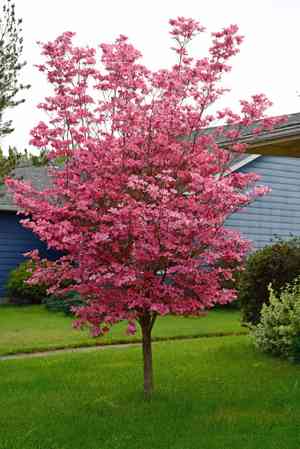
This tree, which sheds its leaves, is recognized for its prominent floral structures and crimson berries. For flowering dogwood, conduct pruning in the latter part of winter or early spring prior to foliage emergence. Reducing the density of congested limbs facilitates light access and air circulation, thereby diminishing the likelihood of illness. Eliminate any lifeless, infected, or intersecting branches to encourage a robust framework. Restrict pruning to no more than 25% of the entire crown to prevent undue strain. Proper timing and technique in pruning will improve flowering and general well-being.
What Are the Benefits of Pruning Flowering Dogwood?
What Are the Benefits of Pruning Flowering Dogwood?
Trimming flowering dogwood encourages vigorous development and maintains its form, ensuring a sturdy framework for enhanced blooming. It can also lessen pest and illness risks by eliminating compromised limbs.
What Is the Best Time for Pruning Flowering Dogwood?
What Is the Best Time for Pruning Flowering Dogwood?
Trimming flowering dogwood during late winter and early spring is optimal as the plant remains dormant, reducing stress and the chance of disease spread. This timing allows for easy removal of dead or damaged wood without affecting the upcoming bloom cycle. It helps the plant direct energy towards healthy growth and ensures an attractive shape for the flowering season. Pruning after blooming might remove potential buds for the subsequent season.
What Tools Do I Need to Prune Flowering Dogwood?
Hand Pruners
For precise cuts on smaller branches, typically under 1/2 inch in diameter. Perfect for shaping the crown and removing dead or diseased wood from flowering dogwood.
Lopping Shears
Used for branches too thick for hand pruners, usually up to 1 1/2 inches across. They offer leverage and longer handles to reach inside the shrub's interior.
Pruning Saw
For larger branches exceeding 1 1/2 inches in diameter. It enables clean cuts without harming the surrounding branches of flowering dogwood.
Pole Pruner
Useful for trimming elevated branches without needing a ladder, ensuring safety while caring for flowering dogwood.
Hedge Shears
Suitable for shaping hedges if flowering dogwood is grown in a hedge formation, allowing for uniform and aesthetic cuts.
Pruning Gloves
To safeguard hands from thorns and rough branches while trimming flowering dogwood.
How to Prune Flowering Dogwood
Step1: Timing for Pruning
Select the appropriate time to prune flowering dogwood, typically late winter or early spring before leaf buds open. This timing helps prevent disease and reduces plant stress.
Step2: Detecting Dead Wood
Inspect flowering dogwood for dead wood. Look for broken branches, those without leaves or flower buds, and that appear dry and brittle. These clearly indicate dead wood.
Step3: Removing Dead Wood
Remove dead wood by making clean cuts with sharp pruning shears. Cut just above a living bud or branch junction, ensuring no stubs are left, as they can be entry points for disease.
Step4: Spotting Diseased Limbs
Identify diseased limbs by noticing any unusual marks, discoloration, or growths. Use sterilized pruning tools to prevent spreading the disease to healthy parts of flowering dogwood.
Step5: Cutting Diseased Limbs
Cut away diseased limbs by making the cut at least several inches into the healthy tissue below the diseased area to ensure all infected material is removed.
Step6: Identifying Weak Branches
Inspect flowering dogwood for weak branches, which may be thinner, significantly longer than others without side shoots, or growing at odd angles that could interfere with the plant's structure.
Step7: Pruning Weak Branches
Prune weak branches using the same method as dead wood, cutting at a node or bud that faces outward to encourage a more open, healthy growth pattern.
Step8: Locating Non-Flowering Shoots
Find non-flowering shoots that might indicate a lack of vigor or unhealthy growth in flowering dogwood. These are typically new growths that have failed to produce any flower buds.
Step9: Trimming Non-Flowering Shoots
Trim non-flowering shoots to redirect nutrients to more robust parts of flowering dogwood. Make these cuts just above healthy-looking buds likely to produce flowers.
Step10: Cleanup after Pruning
After pruning, clear all debris from around flowering dogwood to lessen the chance of fungal diseases or pests harbored in fallen plant material.
Step11: Mulching Post-Prune
Apply a thin layer of mulch around the base of flowering dogwood to help retain moisture and provide a nutrient boost as the mulch decomposes. Avoid piling mulch against the trunk, which can encourage rot.
Step12: Sanitizing Pruning Tools
Sanitize pruning tools after finishing with flowering dogwood to prevent spreading potential diseases to other plants. Use a solution of one part bleach to nine parts water, or alcohol, to wipe down the blades.
Post-Pruning Care for Flowering Dogwood
Post-Pruning Care for Flowering Dogwood
After trimming flowering dogwood, immediately water the plant generously to reduce stress. Ensure flowering dogwood is in filtered sunlight, avoiding direct afternoon sun to prevent scorching of newly exposed areas. Maintain moderate humidity and stable temperatures to facilitate recovery. Apply a balanced, slow-release fertilizer to aid growth without promoting excessive new shoots vulnerable to damage. Monitor flowering dogwood for wilting, discoloration, or oozing, which can indicate stress or infection. If symptoms appear, consult a plant health specialist for appropriate treatments.
Common Pruning Mistakes with Flowering Dogwood
Avoid Deep Cuts into Old Wood
Cutting too deeply into the mature wood of flowering dogwood can harm the plant, as it may not readily produce new growth from older stems.
Prevent Ragged Cuts and Branch Tearing
Making uneven cuts or tearing the branches can introduce disease and hinder the natural healing process of flowering dogwood.
Do Not Over-Prune Canopy
Removing too much foliage at once can stress flowering dogwood, leading to poor growth and reduced blooming.
Sterilize Tools Between Cuts
Pruning without sterilizing tools between cuts increases the risk of spreading diseases to flowering dogwood.
Respect Plant's Natural Shape
Ignoring the natural form of flowering dogwood when cutting can result in an unnatural appearance and potential harm to the plant's structure.
Common Pruning Tips for Flowering Dogwood
Clean Cuts at 45-Degree Angle Above Buds
Make clean cuts at a 45-degree angle just above an outward-facing bud, ensuring water runs off the cut and minimizing disease risk.
Remove Dead, Diseased, or Damaged Branches
Trim flowering dogwood to remove dead, diseased, or damaged branches, which helps maintain the plant's health and appearance.
Thin Canopy to Improve Air and Light Penetration
Thin the canopy by removing some inner branches to improve air circulation and light penetration, encouraging a stronger and healthier flowering dogwood.
Use Sharp, Clean Pruning Tools
Use sharp, clean pruning tools to make precise cuts and prevent damage to the remaining parts of flowering dogwood.
Follow Plant's Natural Form when Pruning
Follow the natural shape of flowering dogwood when making pruning decisions, to enhance its aesthetic and encourage natural growth patterns.
Dispose of Pruned Material, Especially if Diseased
After pruning, discard the removed material, especially if diseased, to prevent any pathogens from affecting flowering dogwood or other nearby plants.



